


Delicious Spanish Cuisine

Spanish cuisine is as rich and varied as the country itself, boasting quality ingredients, excellence in cooking, and wise old traditions; these are but a few reasons why gastronomy is one of the top reasons for visiting Spain.
To define Spanish cuisine in terms of food, think olives, extra virgin olive oil, fresh vegetables, garlic, chicken, fish, seafood, Iberian cured meats, and great wine, and you are summing up the essence of the main gastronomic ingredients of Spain.
When you arrive in Spain for the first time, hopefully, you will want to explore the tastes on offer as it offers so much more than Paella and Sangria.
Spanish cuisine is highly diverse and ranges from the famous tapas' small dishes to some of the best local and regional cooking available anywhere in the world.
Spain is home to some of the best chefs in Europe, and San Sebastian alone is home to over 13 Michelin-starred restaurants.
History of Spanish Cuisine

Spanish cuisine has been shaped by the various cultures and civilisations that have inhabited the Iberian Peninsula throughout its long history.
The ancient Romans brought staples like olives, grapes, and wheat when they occupied Spain for 600 years.
Later, the Moors ruled parts of Spain for nearly 800 years, leaving behind food influences like spices, rice, almonds and citrus fruits. These remain key ingredients today.
In the 15th-16th centuries, Spain expanded its empire to the Americas, bringing back new foods like tomatoes, peppers, potatoes, chocolate and vanilla which transformed Spanish cooking.
Additional flavours arrived via the Mediterranean trade, such as garlic, herbs and olive oil.
Spain's broad geography led to diverse regional cuisines. The north features hearty stews, beef and seafood.
Central Spain relies on roasted meats and thick stews. Along the Mediterranean coast, paella, rice dishes and fresh seafood prevail.
Common techniques like sautéing in olive oil, slow braising meats, and later innovations like tapas small plates, emerged to unite these regional differences into an identifiable Spanish cuisine.
Social traditions around food and wine evolved, from extended afternoon lunches to lively tapas bar crawls. These candid snapshots of daily Spanish life endure today.
From ancient civilisations to colonial expansion, outside influences blended with Spain's land and culture to produce one of Europe's most iconic yet varied cuisines, adapted over centuries of changing tastes.

Eating out in Spain is a delightful experience due to the country's rich culinary heritage that blends a mix of many cultures.
Spanish cuisine offers a bewildering array of dining options, from casual tapas bars to high-end restaurants and everything in between.
Check out our post on the Gastronomy of Spain - 61 tasty dishes you should try.
Whether you're a fan of traditional Spanish cuisine or prefer international flavours, you'll always be able to find something to satisfy your taste buds.
In Spain, you'll find a wide range of eateries, from small family-owned bars and restaurants to large fast-food chains. Small bars and bakeries ( Pastelerias ) are popular for breakfast, and many offer freshly baked bread, croissants, and pastries.
For lunch, the locals often enjoy a "menú del día" (menu of the day), which is a set meal that includes 2 to 3 courses at very reasonable prices.
For dinner, there are plenty of options, from trendy gastro bars serving creative tapas to Michelin-starred restaurants.
Spanish cuisine is renowned for its delicious seafood, cured meats, and cheeses, and regional dishes such as paella, gazpacho, and cocido are a must-try.
International cuisine is also widely available, with Chinese, Italian, Japanese, and Mexican restaurants being particularly popular.
If you're looking for a casual meal, you can't go wrong with a visit to a local tapas or Pintxos bar, where you can enjoy a variety of delicious, low-cost small dishes that are perfect for sharing. Some of the most popular tapas include Jamon Serrano ( cured ham ), Tortilla (Spanish omelette), Albondigas ( meatballs ), Croquetas (ham or cheese croquettes), Queso Manchego ( Machego Cured Cheese ), Ensaladilla Ruso (Potato Salad ) and Patatas Bravas (spicy fried potatoes).
No matter where you choose to eat in Spain, you'll find that food is taken very seriously, and dining is a social experience that is meant to be enjoyed.
So whether you're savouring authentic cooking in a rustic tavern or indulging in a gourmet meal in a Michelin-starred restaurant, tasting Spanish cuisine is an experience you won't soon forget.
Breakfast ( Desayuno )

Breakfast, or "Desayuno" in Spanish, is an essential meal in Spain and is often referred to as the day's most important meal.
There are several popular breakfast dishes that the locals enjoy, including "Pan con Tomate," which is toasted bread rubbed with garlic and topped with fresh tomato, olive oil, and salt, and "churros con chocolate," which is a type of fried dough pastry served with a thick, hot chocolate sauce for dipping.
Spain is famed for its quality Café Con Leche ( milk coffee ); no breakfast would be complete without one.
If you're in a hurry, you can grab a "Bocadillo," which is a type of sandwich made with a variety of fillings such as ham, cheese, and tomato.
You'll also find plenty of cafes and bakeries that serve freshly baked croissants and pastries, along with a strong coffee or a glass of freshly squeezed orange juice.
If you're looking for a more substantial breakfast, you can opt for "Pan Tostada," toasted bread topped with a variety of toppings such as cured ham, chorizo, cheese, tomato, or "Huevos Fritos," ( fried eggs ).
The top things to eat in Spain for breakfast include:
- Cafe con Leche ( Milky coffee )
- Pan con Tomate ( Cured ham, toast, chopped tomato and olive oil )
- Chocolate con Churros. ( Deep fried Pastry with a very thick chocolate sauce)
- Croissant Tostada ( Toasted Croissant )
- Pinco de Tortilla ( Tapa of Spanish tortilla )
- Huevos fritos con chorizo ( fried eggs and chorizo sausage )
- Zumo de Naranja ( Freshly squeezed orange juice )
- Tostada con Aceite ( Toast and olive oil )
- Pastel con cafe ( Fresh cake/pastry and coffee )
Tapas and Pintxos

Tapas and pintxos are an integral part of Spanish cuisine and culture and are enjoyed by locals and visitors alike.
The word "tapas" comes from the Spanish word "tapar," which means to cover, and originated from the tradition of placing a slice of bread or ham over a glass of wine to keep flies out. Pintxos, on the other hand, are similar to tapas but are typically found in the Basque region of Spain.
Some of the most popular tapas in Spain include patatas bravas (spicy potatoes), tortilla (Spanish omelette), gambas al ajillo (garlic shrimp), and calamari a la romana (fried squid).
Pintxos are often served on a piece of bread and skewered with a toothpick and can include a variety of toppings such as olives, anchovies, prawns, smoked salmon, or chorizo.
Tapas and pintxos vary by region, with each area having its specialities. In Andalucia, the home of tapas, you'll find dishes such as Salmorejo (a cold tomato soup), Jamon Serrano (cured ham) Adobo (marinated pork), and Boquerones (marinated anchovies).
In the Basque country, pintxos are a staple, with popular dishes including Txangurro (spicy crab), Bacalao (cod), and Gilda (a skewer with olives, anchovies, and peppers).
A great way to find out all about these famous little dishes is to join one of the many Tapas Tours in Spain that are run by local experts who offer a world of knowledge. Plus, they know where to find the best tapas bars in each city.
Fine Dining

Spain has become a culinary mecca, home to some of the world's best fine-dining restaurants and Michelin-starred chefs.
The country boasts a rich culinary heritage and an abundance of fresh, locally sourced ingredients, making it a top destination for food lovers.
Some of the most acclaimed restaurants in Spain include El Celler de Can Roca in Girona, which is run by the Roca brothers and has been named the world's best restaurant multiple times.
Other notable restaurants include Azurmendi in Bilbao, run by chef Eneko Atxa, and Quique Dacosta in Alicante, which chef Quique Dacosta runs.
Most of Spain's Michelin-starred restaurants are in Madrid, Catalonia, and the Basque Country.
Madrid is home to some of the country's most renowned restaurants, including DiverXO, which has three Michelin stars and is run by the genius chef David Muñoz.
Catalonia is home to other Michelin-starred restaurants, such as Disfrutar, run by chefs Oriol Castro, Mateu Casañas, and Eduard Xatruch.
In the Basque Country, some of Spain's most innovative eateries, including Restaurant Arzak, Azurmendi, and the delightful Asador Etxebarri, run by chef Victor Arguinzoniz.
Fine dining in Spain is not just about the food, it's also about the experience. These restaurants often feature stunning decor, impeccable service, and extensive wine lists, making them the perfect place for a special occasion or a memorable night out.
If you do plan to dine out in a Michelin-starred restaurant be sure to book early as many of them are booked up many months in advance.
Menu of the Day ( Menu del Dia )

The "Menu del Dia," or menu of the day, is a popular option for lunch in Spain. It typically consists of a set meal that includes two or three courses and is usually very good value for money.
The day's menu ( Menu del Dia )can be found in bars and restaurants all around Spain.
The typical options available for the menu of the day include a starter, a main course, dessert, and a drink. The food offering will vary depending on the restaurant but often features traditional Spanish dishes such as paella, gazpacho, cocido, and fabada.
Many restaurants may also offer international cuisine, especially in tourist hotspots.
The typical price of a menu del dia varies depending on the restaurant and the quality and quantity of food offered. Still, you can usually expect to pay between 8-15 euros per person.
The day's menu is often displayed outside the restaurant, and it's worth noting that it's usually only available during lunchtime, so it's always best to ask before ordering.
Popular Spanish Cuisine - Foods and Dishes
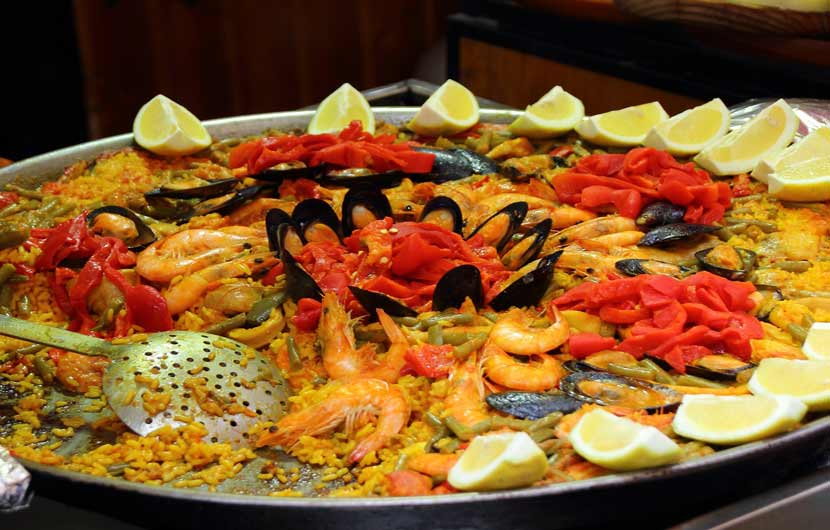
Paella is one of the most iconic dishes in Spanish cuisine and is eaten by people food lovers worldwide. This delicious rice-based dish originates in the Valencia region, where the dish has been perfected and enjoyed for centuries. The name "paella" comes from the pan in which it is traditionally cooked, which is flat and round with two handles.
There are many variations of paella, with ingredients varying depending on the region and the season. The most common types of paella include Valencian paella, which typically includes rabbit, chicken, spare ribs, green beans, garlic, saffron and paprika. Seafood paella is also popular, and it typically includes a mix of fresh seafood such as prawns, clams, and squid.
If you want to try the best paella in Spain, head to Valencia to find some of the country's most famous paella restaurants. La Pepica and El Raco de la Paella are two of the most renowned restaurants in the city, both of which have been serving delicious paella for over 100 years.
In Barcelona, you can enjoy a range of paella dishes, from traditional seafood paella to modern interpretations with unique ingredients like black rice and squid ink. Can Majo and 7 Portes be two popular restaurants you should try?
If you would like to learn how to cook authentic Spanish Paella, there are plenty of opportunities to book traditional cooking classes in Spain.
Cured Meats

Cured meats are an important part of Spanish gastronomy and are enjoyed throughout the country. Spain is famous for its cured ham, or "jamon," which is often considered a national delicacy.
The most popular types of cured ham in Spain are "jamón serrano," which is made from white pigs, and "jamón ibérico," which is made from black Iberian pigs. Within the jamón ibérico category, there are different types, such as "pata negra," which is considered the highest quality because the pigs are fed acorns in the final stages of their lives.
Other popular cured meats in Spain include chorizo, salchichon, and lomo embuchado.
Different regions of Spain are known for their particular types of cured meats. For example, Guijuelo in Salamanca is renowned for its jamón ibérico, while the city of León is known for its cured meats, particularly chorizo.
Jabugo, from the Sierra de Aracena y Picos de Huelva in Andalucia, is known for its outstanding black-foot ham.
Fresh Fish and Seafood

Spain is surrounded by the Mediterranean Sea and the Atlantic Ocean, which means that the country is blessed with an abundance of fresh fish and seafood. From the small coastal villages to the bustling cities, seafood is a staple of the Spanish diet.
The most popular fish eaten in Spain include sardines, anchovies, mackerel, cod, and sea bass, which are mostly cooked grilled, deep fried or added to soups, rice and tapas dishes.
When it comes to seafood, Spain is in a world of its own as you will find a vast array of options to choose from, including all types of prawns, crabs, clams, calms, mussels, octopus and squid.
Meats

Meat is also a significant part of Spanish cuisine, and there are a variety of meats that are popular in different regions. Beef, pork, and chicken are among the most commonly consumed meats in Spain, with lamb and game meats also featuring in many traditional dishes.
Chicken is perhaps the most popular meat eaten in Spain, and it is often used in dishes such as paella and pollo al ajillo (garlic chicken).
Pork is also extremely popular and is used in a variety of dishes, such as spicy chorizo, morcilla (blood sausage), and jamón (cured ham).
Beef is also widely enjoyed, with dishes such as steak and beef stews being popular in many regions.
Other meats you will find readily available include rabbit, venison, and wild boar. Some of the most popular meat dishes in Spain include cocido (a hearty meat stew), fabada asturiana (a bean stew with pork and chorizo), and Cordero asado (roast lamb).
Variety of Wine and Sherry

Spain has a rich history of wine production and is one of the largest wine-producing countries in the world. It boasts a diverse range of grape varieties, each with its own unique flavour profile.
The most widely planted grape in Spain is Tempranillo, which is used to produce some of the country's most famous wines, such as Rioja and Ribera del Duero. Other popular red grape varieties include Garnacha, Monastrell, and Bobal.
For white wines, the most commonly planted grape is the Airen, followed by Albarino, Verdejo, and Viura. Spain is also known for its fortified wine, Sherry, which is produced in the region of Jerez.
Spain has several wine-growing regions, each with its own unique climate and soil conditions. The most famous regions include Rioja, Ribera del Duero, Priorat, and Rias Baixas.
Rioja is perhaps the most well-known wine region in Spain, producing both red and white wines. Some of the most popular Rioja wines include Marques de Riscal Reserva and Faustino I Gran Reserva. Ribera del Duero is known for producing full-bodied, robust red wines, such as Vega Sicilia Unico and Emilio Moro Malleolus.
In Galicia, located in the northwest corner of Spain, the Albarino grape is used to produce refreshing, aromatic white wines such as Pazo de Senorans and Martin Codax. Priorat, located in the northeast of Spain, is known for producing powerful, complex red wines such as Clos Mogador and Clos Erasmus.
Overall, Spain offers a diverse range of wines that are enjoyed around the world, so be sure to sample some on your next trip to Spain.
Award Winning Cheese

Spanish cheese is a beloved part of the country's culinary heritage, with a wide variety of cheeses produced in different regions across Spain. Each cheese has its own unique style and flavour profile.
Some of the most famous cheese-producing regions in Spain include Castilla La Mancha, Catalonia, and Galicia.
La Mancha is famous for its Manchego cheese, which is made from sheep's milk and has a distinctive nutty flavour. Catalonia is known for high-quality cheeses such as Mato, Garrotxa, Nevat and Tupi, while Galicia produces a range of award-winning cheeses such as Tetilla, Arzua-Ulloa, and Cabreiro.
Other popular Spanish cheeses include Mahón, which comes from the island of Menorca and is made from cow's milk, and Cabrales, which is a blue cheese made from a mixture of cow, sheep, and goat's milk in Asturias.
One of the most famous Spanish cheeses is Idiazabal, which is made from sheep's milk in the Basque Country and has a smoky, nutty flavour. Another popular cheese is Queso de Valdeón, a blue cheese made from a mixture of cow and goat's milk in the Picos de Europa mountains.
Spanish cheese is enjoyed as a snack, in salads, as a tapas or as part of a cheese board with cured meats and other accompaniments.
» Spanish English food glossary
Extra Virgin Olive Oil

Olive oil is a fundamental ingredient in Spanish cuisine and has been produced in the country for centuries. Spain is now one of the largest producers of olive oil in the world, it is known for its high quality and delicious flavour.
Some of the main olive oil-producing regions in Spain include Andalucia, Catalonia, and Castilla-La Mancha.
Andalucia is the largest producer of olive oil in Spain and is famous for its extra virgin olive oils, including the renowned Picual and Hojiblanca varieties.
Catalonia produces arbequina olive oil, which is known for its fruity and nutty flavour, while Castilla-La Mancha is famous for producing Cornicabra olive oil, which has a mild and fruity flavour.
In addition to extra virgin olive oil, Spain also produces other types of olive oil, including virgin and refined olive oil. Some of the most popular Spanish olive oil brands include Castillo de Canena, Oleum Hispania, and La Espanola.
Spanish olive oil is used in a variety of dishes, from salads to fried foods, and is also used as a dipping oil for bread. So if you're a fan of olive oil, be sure to try some of the delicious varieties and see which one you prefer.
Top 10 Most Popular Spanish Dishes
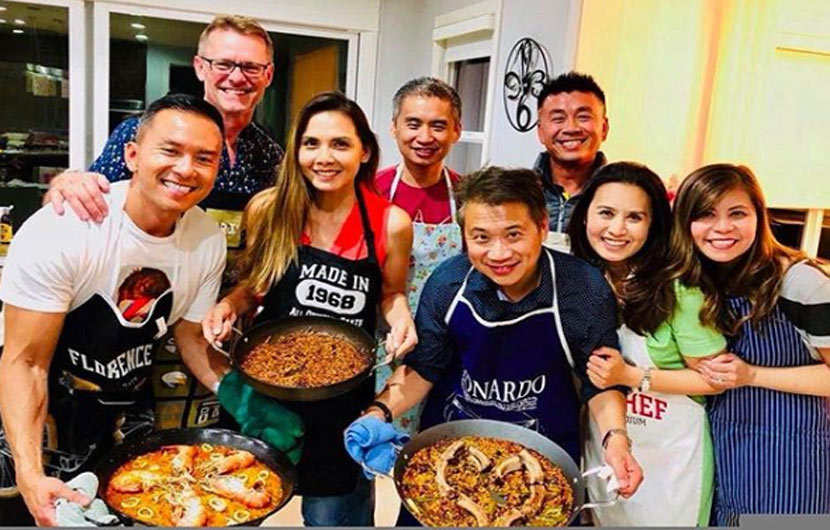
Here is our pick of the top 10 most popular Spanish dishes:
Paella
This iconic Spanish rice dish originated in Valencia but is now popular nationwide. Saffron-infused rice is cooked in a wide shallow pan with proteins like chicken, seafood, sausage, rabbit or veggies. Regional variations exist but classic paella melds the rice with tomato sofrito, beans and herbs.
Tapas
These small savoury dishes come in endless creative varieties like grilled pinchos, stuffed peppers, patatas bravas, gambas al ajillo, tortilla, croquetas and more. Tapas are meant for sharing and pair perfectly with Spanish wines. They originated as appetisers in Andalusia but are now quintessentially Spanish.
Jamon Serrano or Iberico
Dry-cured Spanish ham, typically from white pigs, is sliced thinly and often served simply with bread. The curing process takes up to 2 years, intensifying the pork's flavours. Jamon Iberico from black Iberian pigs follows a similar curing process and is considered a luxury item.
Tortilla Espanola
This thick, hearty omelette is made with eggs, potatoes and onion. It's often served in wedges as tapas but also makes a meal accompanied by bread and salad. Many variations exist filling the tortilla with veggies, cheese or other ingredients.
Gazpacho
The famous cold tomato soup originates from Andalusia. It's made by blending tomatoes, peppers, cucumber, garlic, breadcrumbs, oil and vinegar for a refreshing chilled soup. Often garnished with vegetables or hard-boiled egg.
Pisto
A ratatouille-like vegetable stew with onions, tomatoes, peppers, courgettes, aubergines and other veggies simmered in olive oil. Often includes scrambled eggs as a topping. Originated as a humble, peasant dish using summer produce.
Patatas bravas
Fried potato cubes smothered in a spicy tomato sauce made from peppers, tomato, paprika and garlic. Often served as tapas, patatas bravas provide a fiery, addictive snack with cold beer.
Pulpo Gallego
Typical Galician octopus dish made by boiling then grilling octopus tentacles served warm with paprika oil, rock salt and boiled potatoes. The rubbery yet tender texture and smoky spicing make pulpo a speciality.
Cocido Madrileno
Traditional chickpea stew from Madrid with meat, sausage, chickpeas, veggies and noodles simmered in a flavorful broth. Very hearty and warming, it's served in multiple courses.
Churros con chocolate
Fried dough pastries, like a sweet version of fritters, typically eaten for breakfast dipped into thick hot chocolate. Also popular at Christmas markets and festivities.

Additionally, here are some more main meal plates of food that are also very popular around Spain:
Cocido Madrileno
A hearty chickpea stew from Madrid featuring meat, chorizo, vegetables and pasta simmered in a flavourful broth. Typically served in three courses - broth, veggies, then chickpeas/meats. Warming in winter and filling any time of year.
Porra Antequerana
Thick, cold soup blending tomatoes, bread, garlic, olive oil, vinegar and eggs topping it off. Hails from the Antequera region of Malaga, making it a refreshing summer soup from Andalusia.
Bacalao
Salted codfish, rehydrated and served in endless preparations like pil-pil sauce, with chickpeas or roasted peppers. Omnipresent in bars, homes and restaurants as a quintessential Spanish protein.
Fabada Asturiana
Hearty Asturian bean stew with morcilla blood sausage, chorizo and pork simmered in a rich broth. Served with crusty bread, cabrales cheese, and Asturian hard cider.
Canarian Wrinkly Potatoes - Papas Arrugadas are small potatoes boiled in very salty water and then served wrinkly with mojo red and green sauces for dipping. Iconic in the Canary Islands and beyond.
Huevos Rotos
Eggs fried together with potatoes and chorizo or jamón, sometimes mixed to break the yolks and blend the dish. Quick, easy, tasty meal any time of day.
Pimientos de Padron
Blistered and pan-fried little green Padron peppers seasoned only with coarse salt.
Roast Suckling Pig
Cochinillo asado is tender, juicy baby pig slow-roasted until the skin crisps to perfection. Served with roasted potatoes in main cities like Madrid and Seville.
Mariscos
Fresh seafood like gilt-head bream, monkfish, shrimp, and anchovies are simply fried, grilled or roasted, dressed with olive oil. The Northern coastal region of Spain is renowned for impeccable seafood.
Essential Ingredients To Cook Traditional Spanish Dishes

Here are 15 essential Spanish ingredients you should buy if you're looking to cook traditional dishes
- Olive oil (aceite de oliva) - Extra virgin essential for dressings, cooking
- Garlic (ajo) - Provides flavour base for sofritos, stews, sauces
- Onions (cebollas) - Spanish onions sweeten bases for meat, and seafood dishes
- Tomatoes (tomates) - Ripe red tomatoes flavor gazpachos, stews, sauces
- Red bell peppers (pimientos rojos) - Roasted/fried peppers typical in tapas, stews
- Saffron (azafran) - Expensive spice imparting distinctive colour, flavour
- Paprika (pimentón) - Smoked Spanish paprika creates signature rubs, seasonings
- Chorizo (chorizo) - Spanish pork sausage star of tapas, stews, casseroles
- JCured Ham (jamón serrano o jamón ibérico) - Dry-cured Spanish hams, great for tapas
- Bomba or Calasparra rice (arroz bomba o arroz de Calasparra) - Starchy Spanish rice ideal for paella
- Flat leaf parsley (perejil) - Fresh herb indispensable for Spanish cooking
- Chickpeas (garbanzos) - Used in hearty stews like cocido madrileño
- Red wine (vino tinto) - Tempranillo wines pair with roasts, braises, stews
- Oranges (naranjas) - Valencia oranges lend sweetness to seafood, and chicken dishes
- Almonds (almendras) - Roasted almonds flavour desserts, romesco, picada
Regional Flavours of Spain
Spain's culinary landscape is as diverse as its fascinating regions. Spanish cuisine is a true reflection of its regional diversity, from the hearty dishes of the Basque Country to the seafood delights of Galicia and the vibrant flavours of Andalusia.
In the Basque Country, pintxos are a culinary art form. These small, intricately crafted snacks range from simple ingredients to more complex creations, showcasing the Basque passion for food.
Meanwhile, in Catalonia, you'll find the famous tapas-like dishes called "montaditos," typically consisting of a slice of baguette topped with delicious ingredients.
Galicia, with its extensive coastline, is known for its incredible seafood dishes, particularly octopus and pulpo a la gallega, which is tender octopus seasoned with paprika and olive oil.
In Andalusia, the birthplace of flamenco and sherry, you can enjoy tasting an array of tapas and gazpacho, a refreshing cold tomato soup perfect for the region's warm climate.
Castilla y Leon offers hearty fare, such as cochinillo (suckling pig) and cordero asado (roast lamb), while Valencia is famed for its paella, a saffron-infused rice dish.
Catalonia boasts the delicious seafood and rice concoction known as fideua.
Madrid

Madrid offers a lot to travellers looking to try out food from this central region of Spain.
The top local dishes on offer in Madrid include:
- Callos a la Madrilena - Chick pea stew.
- Huevos Rotos - Cripsy fried eggs over home made chips.
- Oreja a la Plancha - Pigs ears cooked on a griddle.
- Pincho de Tortilla - Fresh Spanish omelette.
- Bocadillo de Calamares - Battered fried squid sandwich of crusty bread.
- Churros con Chocolate - ( Deep fried Pastry dipped in a thick chocolate sauce).
Galicia
» Fresh fish and seafood – The king of gastronomy in the Galicia region is undoubtedly the fresh seafood that can be found in abundance on every corner of this green and fertile land.
From spider crabs to cockles and lobster to small sweet mussels, you will never be far away from an eatery serving a selection of fresh fish or seafood dishes.
1. Empanada a la Gallega – a salty pie pastry filled with chopped seasonal vegetables, spices and meat of your choice.
2. Vieiras a la Gallega – Fresh scallops stuffed and baked in bread crumbs and paprika, a delicacy of some refinement.
3. Queimada – a traditional drink containing ground coffee, sugar, lemon zest and Orujo liqueur mixed in a clay pot and cooked over a fire
4. Pimienta de Padron – Very small locally grown peppers fried in extra virgin olive oil and then sprinkled with sea salt. such a simple dish but packed with flavour.
5. Tarta de Santiago – Named after Saint James it is made up of ground almonds, decorated with fine caster sugar and the sword of St. James or a cross which covers the topping. It is thought a pilgrim may have introduced the recipe to Galicia during a pilgrimage.
Catalonia

Catalonia receives influences from both the French Pyrenees in the north and the Mediterranean breezes from the east, the reason why Catalan cuisine combines the mountain and coastal recipes in an excellent way.
Popular dishes include the best of both worlds, ‘’Mar i Muntanya’’, meaning “sea and mountain”, a combination of fresh meat alongside shrimp, garlic and almonds, all soaked in white wine sauce. Yum! Or, for a true Catalonian dining experience, try the Escalivada – vegetables cooked in the embers of a wood fire, sprinkled abundantly with olive oil served with Cava – a sweet, sparkling drink similar to champagne, only much cheaper.
- Mar i Muntanya meaning “sea and mountain”, combines fresh meat alongside shrimp, garlic and almonds, all soaked in white wine sauce.
- Escalivada – vegetables cooked in the embers of a wood fire, sprinkled abundantly with olive oil served with Cava – a sweet, sparkling drink similar to champagne only much cheaper.
- Pan con Tomate – a hugely popular dish that is simple to prepare. A slice of fresh farmhouse bread or baguette cut in half, toasted, rub a fresh tomato into the bread, drizzle with extra virgin olive oil and some sea salt. Such a simple but tasty dish goes well with slivers of finely cut Iberian ham.
- Sofrito – A tasty tomato sauce using tomatoes, garlic, onions and peppers. Goes well as a side on many dishes.
- Crema Catalan – a very addictive Catalan dessert. An egg custard finished with caramelised sugar leaves a delicate, sweet, crunchy topping to the dessert.
Andalucia

They say that any holiday to Spain should include a visit to charming Andalucia and tasting the emblematic tapas should be part of that experience.
The famous tapa is most definitely a big part of gastronomy in Spain and is said to have originated in a small bar in Seville, Andalucia.
Andalucia’s cakes and desserts are inspired by its Moorish origins and Christian Monasteries. Influenced by honey, almonds and walnuts which perfectly with the salty Jamón Ibérico (Iberian ham), or over Boquerones (fresh anchovies).
Sherry and sweet Malaga wines also play a part in Andalucia's gastronomy.
Top Andalucian dishes include:
- Jamon Iberico – Some of the best-cured ham is from Andalucia. Jabugo is one area in Andalucia where cured ham excels in its taste and quality. Cut off the bone into very fine small strips and eat with small crunchy breadsticks.
- Extra virgin olive oil – Spain is one of the world's biggest producers of olive oil, the provinces of Jaen and Cordoba boast being home to the largest olive plantations in the world.
- Pescaito Frito – Very popular in Malaga and along the coastal areas of Andalucia. Fresh locally caught fish deep-fried in olive oil, the most popular fish eaten are boquerones, baby squid, hake, shrimp, squid rings and octopus.
- Gaspacho Andaluz – A refreshing cold soup made from fresh tomatoes, cucumber, peppers, garlic, olive oil, breadcrumbs and sea salt all blended together.
- Salmorejo – This is a deliciously thicker version of Gazpacho. Essentially the same ingredients but with more bread to thicken the dish usually served with chopped cured ham and diced boiled egg on top with a drizzle of extra virgin olive oil.
The Canary Islands

Many holidaymakers visit this part of Spain each year and enjoy the gastronomy and varied culinary dishes on offer, flooded with freshness and flavour.
The “Eternal Spring” in the Canary Islands, opens your appetite to a semi-tropical diet that easily is distinguished from other menus on the continent, by its native Guanche and African influences, but also by the food brought from America, in the era of discoveries.
Gofio (roasted corn) is the preferred ingredient in all dishes and the spicy sauces Mojos amplify your appetite when is served with a portion of Sanchocho Canario (salted white fish) and Papas Arrugadas (small potatoes boiled in seawater).
- Papas Arrugadas – Wrinkled potatoes. Small whole unpeeled potatoes cooked in water and lots of sea salt served with a spicy Mojo sauce.
- Mojo Picon – Spicy sauce made from garlic, paprika, chillies, sea salt, cumin seeds, white wine vinegar and olive oil. Goes great with Patatas Arrugadas.
- Caldereta – A tasty lamb stew made with local lamb or goat, garlic, chillies, cinnamon, peppercorns, tomatoes, vinegar, red peppers and green olives.
- Bienmesaba – A rich dessert made with honey, almond cream, eggs and rum.
The Basque Country

One of the regions where food reigns supreme is the evergreen Basque country in northern Spain.
The Basque country is famous for its seafood, grilled meats and of course amazing tapas. The best food to eat in the Basque country includes.
- Pintxos ( tapas ) is the ultimate bar snack.
- Marmitako, is a fish stew made with tuna, onions, potatoes, garlic and red peppers.
- Bacalao Pil-Pil - Fresh cod cooked in olive oil, garlic and chilly
- Bacalao a la Vizcaina - Cod cooked in lots of tomato sauce, onions, garlic and roasted red peppers.
- Txipirones - Baby squid cooked in their own ink with white wine and garlic.
- Txangurro - Crab stuffed with onions, leeks, tomatoes, parsley, and brandy then topped with bread crumbs and baked in the oven.
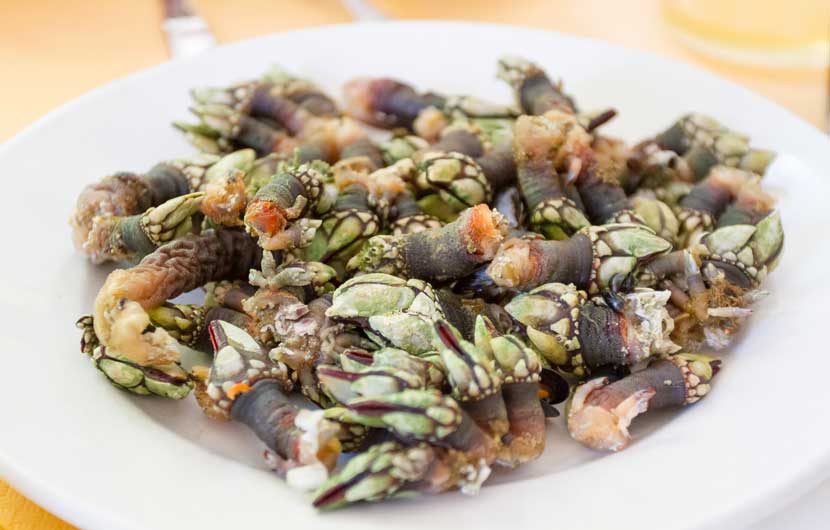
- Percebes - Fresh goose barnacles typically boiled beforehand in seawater, then eaten cold.
- Goxua - Small sponge cakes topped with custard, cream and caramel sauce.
- Alubias de Tolosa - A stew made from black beans, olive oil, onions, pork, blood sausage, peppers and chilli.
FAQs - Frequently Asked Questions

Paella, tapas, jamon, chorizo, tortilla, gazpacho, pintxos, and seafood like shrimp and anchovies.
Paella, tapas, jamon iberico, tortilla espanola are 4 quintessential Spanish foods.
While regional cuisines vary, central Spanish cuisine relies on olive oil, bread, cheese, garlic and fresh herbs.
Paella, jamon iberico, and tapas small plates are three foods that make Spanish cuisine famous.
Fresh seafood, chicken, tomatoes, pimientos, tomatoes, chorizo, Manchego cheese, olives.
A typical Spanish breakfast is light, such as toast with olive oil, jamon serrano, cafe con leches, or churros with chocolate.
Olive oil, garlic, smoked paprika, and fish.
A Spanish dinner often starts with tapas or a salad followed by fish or meat dishes like grilled pork or sea bass with salad.
Tapas are a variety of small savoury dishes, from meatballs to stuffed peppers to grilled prawns.
Olive oil, smoked paprika and saffron are key seasonings. Also chilli, garlic, herbs.
The mid-day meal in Spain is called el Almuerzo in Spanish. It’s often the main hot meal.
Merienda is the afternoon snack time featuring coffee, pastries, sandwiches or tapas.
Breakfast is generally eaten between 8 am to 10 am in homes but later when eating out, around 10 am onwards.
Paella is often served on its own or with lemon wedges but is sometimes offered with a crispy green salad or grilled vegetables.
Flan, Churros, Marzipan/almond sweets, Crema Catalana custard are classic Spanish desserts.
Paella, Jamon Iberico, Prawns, Octupus, and Tortilla de Patata are among Spain’s most delicious traditional signature dishes.
Sangria is Spain's most internationally famous drink, along with Rioja red wine and sherry.
Smoked paprika, called pimenton, is a key Spanish seasoning that also comes sweet or spicy.
3 popular tapas include Tortilla de Patata ( Spanish Omelette ), Jamon Curado ( Cured Ham ) and Croquetas de Bocaloa ( Cod Croquettes ).
Desayuno is the Spanish word for breakfast. A classic breakfast is cafe con leche and toasted bread (tostadas).
Paella, Tapas, Tortilla, jamon Iberico, Gazpacho, Croquetas, Flan, Clams, Pintxos, and Grilled Prawns.