


Basque Country: More Than Pintxos - Dive into Culture, Coastlines, and a Language Like No Other
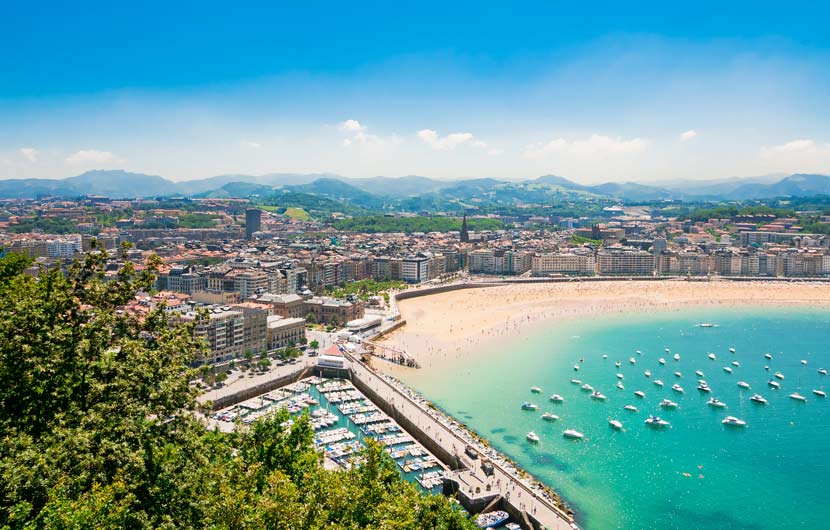
The Basque Country isn’t like anywhere else in Spain, and you’ll feel it the moment you arrive. There’s something in the air—maybe it’s the wild Atlantic breeze, or the scent of txuleta sizzling over a charcoal grill, or just the way life flows here, effortlessly cool but deeply rooted in tradition. Either way, it doesn’t take long for the place to get under your skin.
If you start in San Sebastian, you’ll struggle to leave. The beaches are stunning—La Concha’s perfect crescent of golden sand is enough to keep you there for hours—but it’s the food that will change the way you think about eating. Pintxos bars in the old town are packed from midday till midnight, each one offering something so good it stops you mid-bite. You’ll quickly learn to order txakoli, the crisp local white wine that gets poured from ridiculous heights, and you’ll swear you’ve never eaten anchovies this good in your life.
Then there’s Bilbao, a city that reinvented itself without losing its soul. The Guggenheim is as impressive as they say—a silver, twisting, ship-like masterpiece—but walk a little further, and you’ll find the real heart of the city. In the old quarter, locals chat in Basque over tiny glasses of red wine, and you’ll realise this place has history woven into every street.
And if you love the outdoors, the Basque Country will spoil you. Hike to San Juan de Gaztelugatxe, a tiny chapel perched on a dramatic rock outcrop in the sea, or drive inland to where rolling green hills give way to mountain villages that feel frozen in time.
The Basque Country doesn’t just welcome you—it pulls you in and makes you wonder why you didn’t come sooner.
Interesting Facts About The Basque Country

- The Basque Country is home to the Basque language, also known as Euskara. It is one of the few non-Indo-European languages still spoken in Europe today, with no known relation to any other language in the world.
- The Basque people are believed to be one of the oldest ethnic groups in Europe, with a history dating back thousands of years. They have a strong sense of cultural identity and pride in their unique heritage.
- The Basque Country is famous for its pintxos, a type of small, elaborate snack served in bars and taverns. Each pintxo is a culinary masterpiece, and locals take pride in creating and sharing these delicious treats with friends and family.
- Pelota, a traditional Basque sport, is played with a ball and a hand or a racket against a wall. It has various forms, and each province in the Basque Country has its own unique version of the game.
- The Basque Country is known for its lush green landscapes, rolling hills, and dramatic cliffs along the coastline. It offers stunning views and is a haven for nature lovers and outdoor enthusiasts.
Festivals & Fiestas:

The Basque Country hosts numerous traditional festivals annually, celebrating everything from agriculture to religious events.
Some of the best festivals include the Semana Grande, held in Bilbao, Spain, during the month of August. Another colourful and noisy festival is the “Tamborrada,” a drum parade held in San Sebastian.
Another popular festival is the “Virgen Blanca,” which is held in the city of Vitoria-Gasteiz on August 4th each year.
Industrial Heritage:
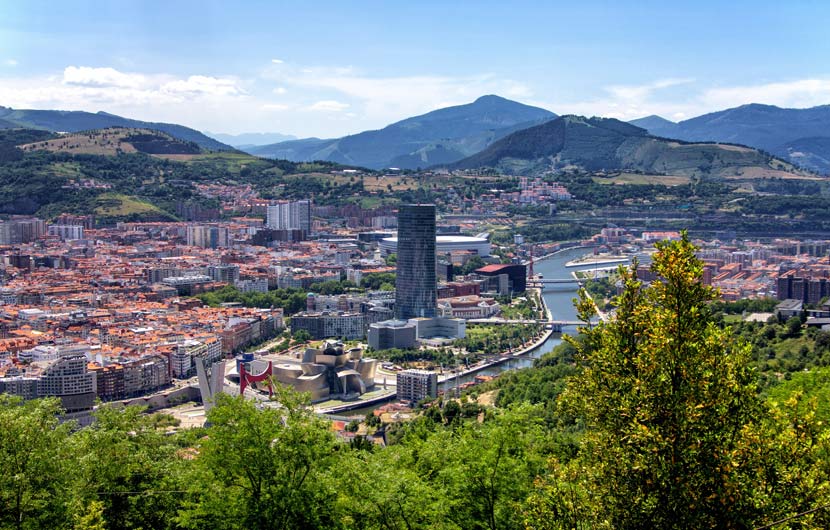
Bilbao, the largest city in the Basque Country, has undergone a significant transformation from an industrial hub to a modern, dynamic city.
The iconic Guggenheim Museum Bilbao is a testament to the region's architectural and cultural revival.
Basque Cuisine:

Basque cuisine is renowned for its high-quality, locally sourced ingredients and innovative culinary techniques.
The region is home to some of the country's best Michelin-starred restaurants, including Restaurant Arzak, Mugaritz, Akelarre, and Martin Berasategui.
If you are thinking of booking a table at one of these prestigious eateries on your next holiday to the Basque Country, Spain, you will need to book well in advance. Six months or longer is advisable.

Interesting Things To Do In The Basque Country

Explore Bilbao's Guggenheim Museum:
A visit to the Guggenheim Museum in Bilbao is a must for art enthusiasts and architecture lovers alike.
Designed by Frank Gehry, the iconic building itself is a masterpiece. Inside, you'll find a diverse collection of contemporary art, including works by renowned artists such as Jeff Koons and Yayoi Kusama.
The museum's ever-changing exhibitions ensure there's always something new to discover, making it a cultural highlight of the Basque Country.
Indulge in Pintxos in San Sebastian:
San Sebastian is famous for its pintxos culture, and a visit to the city is incomplete without trying these delightful bite-sized treats.
Wander through the historic streets of the Parte Vieja (Old Town) and hop from bar to bar, sampling a wide variety of pintxos.
From traditional classics like Gilda and Tortilla de Patatas to more modern and innovative creations, the pintxos experience in San Sebastian is a culinary adventure you won't want to miss.
Visit the Vizcaya Bridge in Getxo:
The Vizcaya Bridge, a UNESCO World Heritage Site, is a remarkable feat of engineering and a symbol of the industrial heritage of the region.
Built in the late 19th century, this unique transporter bridge connects the towns of Portugalete and Getxo across the Nervion River.
Hike in the Basque Mountains:
The Basque Country is a paradise for outdoor enthusiasts, and its picturesque mountains offer excellent hiking opportunities.
Head to the Urkiola Natural Park, the Gorbeia Natural Park, or the Aizkorri-Aratz Natural Park for stunning trails and breathtaking vistas.
Whether you're an experienced hiker or a beginner, there are routes suitable for all levels of fitness and interest.
Discover the Old Town of Hondarribia:
Step back in time as you wander through the cobblestone streets of Hondarribia's Old Town.
This medieval town, located near the French border, is a hidden gem with well-preserved architecture, charming squares, and colourful houses adorned with flower-filled balconies.
Visit the Santa Maria Gate, the Town Hall, and the Castle of Charles V, and soak in the historic ambience.
Basque Country Gastronomy

Here are seven famous dishes, foods, wine, and cheese from the Basque Country:
- Pintxos: These are small, delicious bites similar to tapas, often served on a slice of bread and topped with various ingredients like seafood, meats, cheeses, and vegetables.
- Bacalao a la Vizcaína: A classic dish of salted codfish cooked in a rich sauce made from red peppers, onions, garlic, and tomatoes.
- Txangurro: A crab dish typically prepared by mixing the crab meat with a rich mixture of onions, green and red peppers, tomatoes, and brandy before being baked.
- Idiazabal Cheese: A traditional Basque cheese made from sheep's milk, known for its smoky flavour and distinct cylindrical shape.
- Marmitako: A hearty fisherman's stew made with tuna, potatoes, onions, peppers, and sometimes green beans, all simmered in a flavorful broth.
- Basque Cider: A traditional alcoholic beverage made from fermented apple juice, often enjoyed in sidrerias (cider houses) across the region.
- Rioja Wine: While the Basque Country is not within the administrative boundaries of the Rioja region, it's worth noting that the Basque Country is a great place to savour and pair famous Rioja wines with local dishes.
- Gateau Basque: A traditional dessert consisting of a flaky pastry filled with either custard or fruit preserves, offering a delightful combination of textures and flavours.
- Chistorra: A flavorful Basque sausage made from minced pork, paprika, and garlic, often served as a pintxo or grilled and enjoyed with bread.
- Txakoli Wine: This crisp and slightly sparkling white wine is native to the Basque Country and is often poured from a height to enhance its effervescence. It pairs well with many local dishes.
Where To Stay In The Basque Country

Are thinking of visiting the Basque Country and not sure where to stay? Here is a quick guide to the best places to stay:
- San Sebastian (Donostia): This coastal gem boasts beautiful beaches, world-class cuisine, and a charming old town. Staying in San Sebastian allows you to enjoy its vibrant atmosphere, explore the historic quarter, and indulge in pintxos, the region's version of tapas.
- Bilbao: Known for the iconic Guggenheim Museum, Bilbao combines modern architecture with rich history. A stay here provides access to cultural attractions, fine dining, and the scenic riverside promenade.
- Biarritz (France): Although technically across the border in France, Biarritz is a short drive from the Basque Country. This coastal town offers splendid beaches and a chic atmosphere, making it an excellent choice for a coastal getaway.
- Hondarribia: Located on the Spanish-French border, Hondarribia is a picturesque coastal town known for its well-preserved medieval old town (Parte Vieja) and charming harbour. Staying here immerses you in Basque culture and history.
- Vitoria-Gasteiz: As the capital of the Basque Country, Vitoria-Gasteiz offers a blend of urban living and green spaces. It's known for its well-preserved medieval quarter and spacious parks.
- Zarautz: This coastal town boasts one of the longest beaches in the Basque Country, making it a popular destination for surfers and beach enthusiasts. Staying in Zarautz offers a relaxed seaside vibe.
- Laguardia: Located in the heart of the Rioja wine region, Laguardia is famous for its historic old town and wine cellars. It's a great base for wine lovers looking to explore the local vineyards.
- Getaria: Known for its seafood restaurants and beautiful coastal setting, Getaria is a charming fishing village. Staying here allows you to savour fresh seafood and take in coastal views.
- Onati: Nestled in the green hills of the inland Basque Country, Onati is a quaint town with a rich architectural heritage. It's an excellent choice for those seeking a tranquil retreat.
Recommended Basque Country Hotels
Looking for inspiration on where to stay in this picturesque region of Spain? Here are a few places you might like to consider.
Gran Hotel Domine Bilbao: Located next to the Guggenheim Museum, this luxurious hotel offers modern design and breathtaking views of the museum and the river.
Hotel Maria Cristina: A historic luxury hotel in the city's heart, offering elegant accommodations and easy access to La Concha Beach.
Hotel Silken Ciudad de Vitoria: Situated in the city centre, this hotel offers comfortable rooms and is close to the main attractions and shopping areas.
Parador de Hondarribia: Set in a historic castle, this Parador offers unique accommodations with stunning views of the town and the bay.
Hotel Saiaz Getaria: Located near the beach, this charming hotel offers comfortable rooms and easy access to Getaria's attractions.
Hotel Zubieta: A historic hotel in the heart of Lekeitio, offering comfortable accommodations and close proximity to the beach and harbour.