


Canary Islands

The Canary Islands, an autonomous community on the northwest coast of Africa, is a stunning archipelago known for its year-round pleasant climate and diverse landscapes.
Comprising seven main islands and several smaller ones, the Canary Islands offer a unique mix of natural beauty and cultural richness.
These islands are a popular destination for tourists seeking their all-year-round enviable climate.
The islands' volcanic origin has created a landscape of rugged mountains, deep gorges, and fertile valleys, making them perfect for hiking and exploring.
The Canary Islands are also famous for their unique flora and fauna. The Teide National Park in Tenerife is home to Spain's highest peak, Mount Teide, an active volcano surrounded by a surreal, lunar-like landscape.
Lanzarote's Timanfaya National Park features otherworldly lava fields and geothermal demonstrations.
Each island in the archipelago has its own distinct culture and traditions.
The Canary Islands are known for lively festivals, such as the Carnaval in Santa Cruz de Tenerife and the Festival of the Virgen del Carmen in Puerto de la Cruz.
The Canary Islands comprise the following two provinces: Las Palmas and Santa Cruz de Tenerife.
Cantabria

Cantabria is located in northern Spain and is known for its breathtaking natural landscapes and rich cultural heritage.
The Bay of Biscay borders the region to the north, the Basque Country to the east, and Asturias to the west.
Cantabria boasts a diverse terrain, with stunning beaches along its coastline and lush green valleys and mountains in its interior.
One of its most famous natural landmarks is the Picos de Europa National Park, where visitors can enjoy hiking, rock climbing, and other outdoor activities amidst breathtaking scenery.
The region is also home to many historic sites and cultural treasures.
Santander, the capital of Cantabria, is a vibrant city with a beautiful waterfront, elegant buildings, and a rich maritime heritage.
The Altamira Cave, a UNESCO World Heritage site, houses some of the world's most important prehistoric rock art.
Cantabria is a single province region.
Castilla-La Mancha

Castilla-La Mancha, a vast and diverse autonomous community in central Spain, is famous for its rich history, stunning landscapes, and connection to the literary world. It is the setting for Miguel de Cervantes' iconic novel, "Don Quixote." Visitors can explore the fictional knight's adventures in various locations throughout the region.
This region is characterised by its traditional small towns and villages, where ancient castles and windmills dot the countryside. The historic cities of Toledo, Cuenca, and Almagro are UNESCO World Heritage sites, offering a glimpse into Spain's medieval past.
Castilla-La Mancha is known for its culinary delights, including Manchego cheese and saffron. Wine enthusiasts can indulge in the region's excellent wines, particularly those from Valdepenas and La Mancha.
The landscapes of Castilla-La Mancha are diverse and picturesque. The Cabaneros National Park is a haven for nature lovers, with its rugged mountains and diverse wildlife. The region also has unique natural formations, such as the Tablas de Daimiel wetlands.
Castilla-La Mancha comprises the following provinces: Albacete, Ciudad Real, Cuenca, Guadalajara, and Toledo.
Castilla y Leon
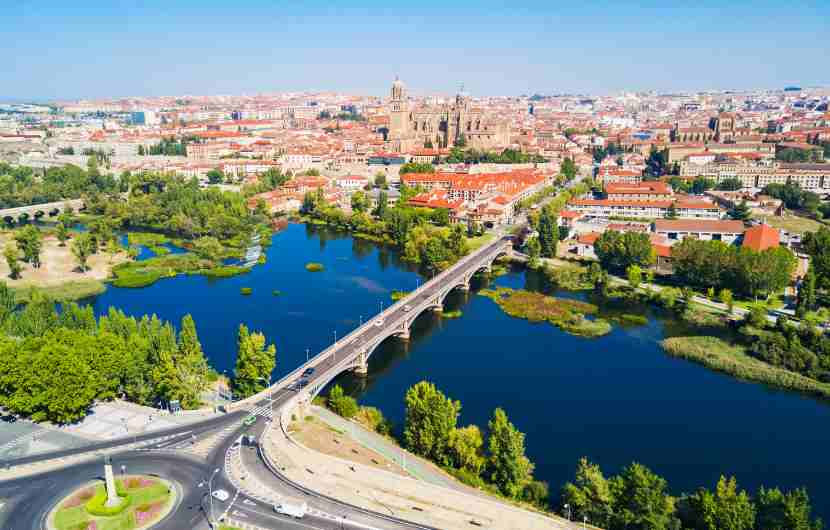
Castilla y Leon, located in the northwestern part of Spain, is the largest autonomous region in the country and is known for its rich history, stunning architecture, and beautiful landscapes.
It is home to numerous UNESCO World Heritage sites, including the historic cities of Salamanca, Segovia, and Avila, renowned for their well-preserved medieval architecture.
The region is also famous for its religious landmarks, such as the Santiago de Compostela pilgrimage route, attracting thousands of pilgrims yearly. The stunning Gothic cathedrals, like the Burgos Cathedral, are a testament to the region's artistic and architectural heritage.
In addition to its historical and cultural offerings, Castilla y Leon boasts breathtaking natural beauty.
The Picos de Europa National Park, the Sierra de Gredos, and the Arribes del Duero Natural Park are just a few examples of the region's diverse and picturesque landscapes.
Castilla y Leon is also renowned for its cuisine, with popular dishes such as cochinillo (suckling pig) and lechazo (roast lamb) being local specialities.
The region is a significant wine producer, particularly in Ribera del Duero and Rueda; each of these wines is highly regarded for their excellent qualities.
Castilla y Leon comprises the following provinces: Avila, Burgos, Leon, Palencia, Salamanca, Segovia, Soria, Valladolid, and Zamora.
Catalonia

Catalonia, located in the northeastern part of Spain, is one of the country's most diverse and vibrant regions.
It is known for its unique culture, rich history, and beautiful landscapes. The region has its distinct language, Catalan, and is proud of its strong sense of identity.
Catalonia is famous for its stunning architecture, with the iconic Sagrada Familia in Barcelona one of the world's most famous landmarks.
Barcelona, the capital of the region, is a hub of culture and creativity, with numerous museums, art galleries, and theatres.
Beyond Barcelona, Catalonia offers a wide range of attractions. The Costa Brava is known for its beautiful beaches and picturesque coastal towns, while the Pyrenees Mountains offer great outdoor activities like hiking and skiing.
Catalonia is also renowned for its gastronomy, with delicious dishes like paella, fideua, and calçots. It is also home to numerous award-winning Michelin-starred restaurants.
The region is also famous for its wine production, particularly in Penedès and Priorat.
Catalonia comprises the following provinces: Barcelona, Girona, Lleida, and Tarragona.
Extremadura

Extremadura, located in western Spain, is known for its rich history, beautiful landscapes, and traditional culture.
It is one of the least populated regions in the country, which adds to its charm and peacefulness.
Extremadura is famous for its historic cities, such as Cáceres and Mérida, which are designated UNESCO World Heritage Sites.
Caceres is known for its well-preserved medieval architecture, while Merida boasts impressive Roman ruins, including a well-preserved theatre and amphitheatre.
The region is also renowned for its natural beauty, with the Monfrague National Park being a popular destination for birdwatchers and nature enthusiasts.
The Guadalupe Mountains and the Jerte Valley are beautiful areas offering picturesque landscapes for hiking and outdoor activities.
Extremadura is a land of traditional festivals and events, where ancient customs are still celebrated with passion and fervour.
Hearty and flavourful dishes, such as migas, fried bread, and Jamón Iberico, a high-quality cured ham, characterise the region's cuisine.
Extremadura is made up of the following provinces: Cáceres and Badajoz.
Galicia
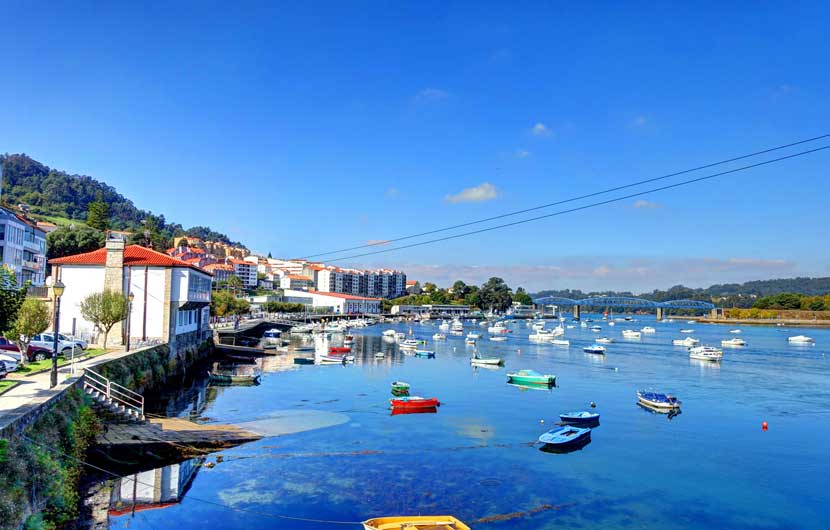
Galicia, located in northwestern Spain, is a region known for its lush green landscapes, Celtic roots, and unique culture.
The Atlantic Ocean borders it to the west and the Cantabrian Sea to the north, giving it a rugged coastline dotted with beautiful beaches and charming fishing villages.
Galicia is famous for its pilgrimage route, the Camino de Santiago, which attracts thousands of pilgrims worldwide each year.
The region's capital, Santiago de Compostela, is the final destination of the Camino and is home to the stunning Cathedral of Santiago, a UNESCO World Heritage Site.
The region's cuisine is another highlight, with seafood playing a prominent role in many dishes. Galicia is renowned for its fresh seafood, especially clams, crabs, octopus and goose barnacles. The traditional dish of pulpo a la gallega, or Galician-style octopus, is a must-try.
Inland, Galicia offers a picturesque landscape of rolling hills and valleys, dotted with charming villages and ancient stone houses known as pallozas and ancient raised stone grain stores known as Horreo´s.
The Ribeira Sacra region is known for its terraced vineyards and excellent wine production.
Galicia is made up of the following provinces: Coruna, Lugo, Ourense, and Pontevedra.
La Rioja

The La Rioja Region in northern Spain is renowned for its world-class wines, picturesque vineyards, and charming medieval villages.
The region is known for producing some of the finest red wines in Spain, particularly the famous Rioja, celebrated for its rich, complex flavours.
La Rioja's capital, Logroño, is a vibrant city known for its lively atmosphere and excellent tapas scene.
The historic streets of Logrono are lined with traditional taverns where locals and visitors gather to enjoy delicious wine and tasty pintxos.
In addition to its wine culture, La Rioja offers stunning landscapes of rolling vineyards, picturesque valleys, and rugged mountains.
The region is ideal for nature enthusiasts, with many amazing hiking and cycling trails that take you through breathtaking scenery.
The San Millán de la Cogolla monasteries, a UNESCO World Heritage Site, are a must-visit in La Rioja. These ancient monasteries played a significant role in developing the Spanish language, making the region an important cultural and historical landmark.
La Rioja is a single province region.
Madrid
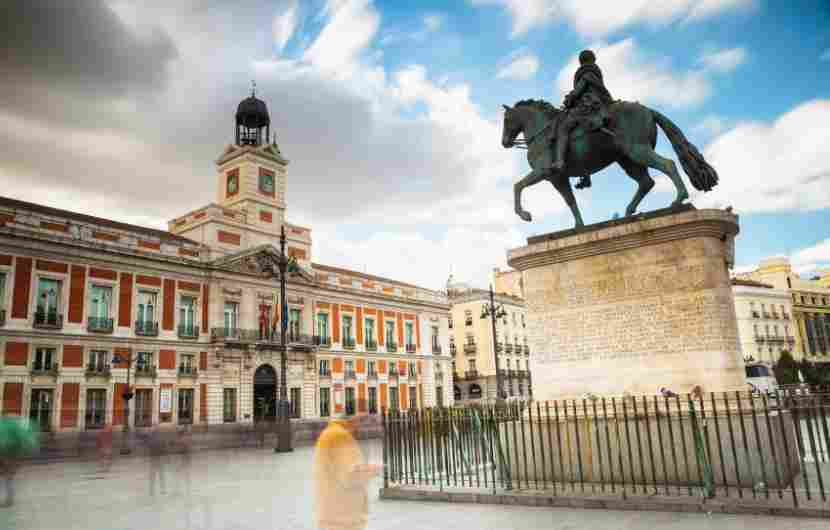
Madrid, the vibrant capital of Spain, is known for its rich history, world-class museums, sprawling parks, art, culture, lively tapas bars and vibrant nightlife.
As the country's political, economic, and cultural centre, Madrid offers a mix of modernity and tradition.
The city is home to world-class museums such as the Prado Museum, the Thyssen-Bornemisza Museum, and the Reina Sofia Museum, which house some of the most important art collections in the world.
Madrid's architecture blends old and new, with historic landmarks like the Royal Palace and Plaza Mayor coexisting with modern skyscrapers and contemporary buildings.
Puerta del Sol, the heart of Madrid, is a bustling square where locals and tourists gather to shop, dine, and enjoy street performances.
The city's lively nightlife, with numerous bars, clubs, and flamenco shows, ensures that there is never a dull moment.
Madrid is a single province region.
Murcia

Murcia, located in southeastern Spain, is known for its warm climate and rich cultural heritage.
With its stunning beaches along the Costa Cálida, Murcia attracts tourists seeking a more laid-back holiday.
The region is famous for its agriculture, mainly cultivating fruits and vegetables. The fertile Murcia plains produce some of Spain's finest citrus fruits.
Murcia's cuisine is a delightful blend of Mediterranean flavours, with dishes such as Caldero, a traditional fish stew, and Zarangollo, a delicious courgette and egg dish, as local specialities.
The city of Murcia is a charming blend of old and new, with historic buildings, narrow streets, and bustling markets coexisting with modern shops and restaurants.
The Cathedral of Murcia's impressive Baroque façade is a must-visit landmark.
The Sierra Espuna Regional Park will enchant nature lovers, a beautiful natural reserve offering hiking, biking, and outdoor activities.
Murcia is a single province region.
Navarra

Navarra, located in northern Spain, is a beautiful region bordered by the Pyrenees Mountains to the north.
It offers visitors many opportunities to enjoy outdoor activities such as hiking and skiing.
Navarra is famous for its cuisine and for producing some of the finest wines in Spain, particularly from the La Rioja region.
Pamplona, the capital city of Navarra, is renowned for its San Fermines Festival, where the bulls run through its historic streets.
The region is also home to several charming medieval towns and villages, such as Olite and Estella, with their well-preserved architecture and rich cultural heritage.
For nature lovers, the Bardenas Reales, a semi-desert region with unique rock formations, offers a striking, otherworldly setting to explore.
Navara is a single province region.
Valencia

Valencia is renowned for its stunning Mediterranean beaches, vibrant cities, and rich cultural heritage.
The region is known for its lively festivals, with the world-famous Fallas festival in the capital city, Valencia, being a highlight.
During the Fallas, enormous and intricate sculptures are displayed throughout the city and later burned in one of the year's festival highlights.
Valencia is home to the renowned traditional dish of paella, which originated in the region. Combining fresh seafood, rice, and vegetables creates a flavourful and delicious meal.
The region boasts a diverse landscape, from the sandy beaches of the Costa Blanca to the picturesque countryside and mountains of the inland areas.
The City of Arts and Sciences in Valencia is a modern architectural masterpiece and a must-visit for anyone staying in Valencia.
Valencia city is perfect to explore on foot with its stunning architecture, charming old town, and impressive Gothic cathedral.
And for a more relaxed experience, the coastal towns of Alicante and Castellon offer beautiful beaches and a laid-back atmosphere.
Valencia is made up of the following three provinces: Valencia, Castellon, Alicante.