



Getting There:
Getting there is straightforward. From Madrid, the drive to Potes (one of the gateway towns) takes about 4.5 hours via the A-67 and N-621. Asturias Airport, about 1.5 hours away, is the nearest airport for those flying in, and Bilbao’s airport is another option, roughly 2.5 hours away.
Public transport options include buses from major cities like Santander, Oviedo, and Leon to nearby towns like Cangas de Onís and Potes, but a car is recommended for exploring the park's vast area.
Fascinating Facts About the Park
- Size: Covering around 650 square kilometres, Picos de Europa is Spain's second-largest national park after the Sierre Nevada in Andalusia.
- Name Origin: Its name, "Peaks of Europe," reportedly originated from sailors spotting the dramatic peaks as their first view of Europe from the Atlantic Ocean.
- UNESCO Designation: The park is a UNESCO Biosphere Reserve, preserving its unique biodiversity and geological significance.
- Altitude: Peaks soar over 2,500 meters, with Torre Cerredo being the highest at 2,648 meters.
Best Times to Visit
The park offers year-round beauty, but the seasons influence what you’ll experience:
- Spring (April–June): Amazing greenery, wildflowers, and milder weather make this an excellent time for hiking.
- Summer (July–September): Perfect for outdoor activities but expect larger crowds.
- Autumn (October–November): Stunning foliage and quieter trails.
- Winter (December–March): A snowy wonderland, ideal for photography, though some trails may be inaccessible.
Top Attractions
- Potes: This charming town serves as a gateway to the park. Wander its cobbled streets, visit the Torre del Infantado, and savour local dishes like cocido lebaniego.
- Cares River Route: Known as the “Divine Gorge,” this 12-kilometre hike between Caín and Poncebos offers jaw-dropping views of cliffs and crystal-clear waters.
- Naranjo de Bulnes (Picu Urriellu): A famous limestone peak that climbers love. If climbing isn’t for you, admire its grandeur from Bulnes, a picturesque village accessible via a funicular railway.
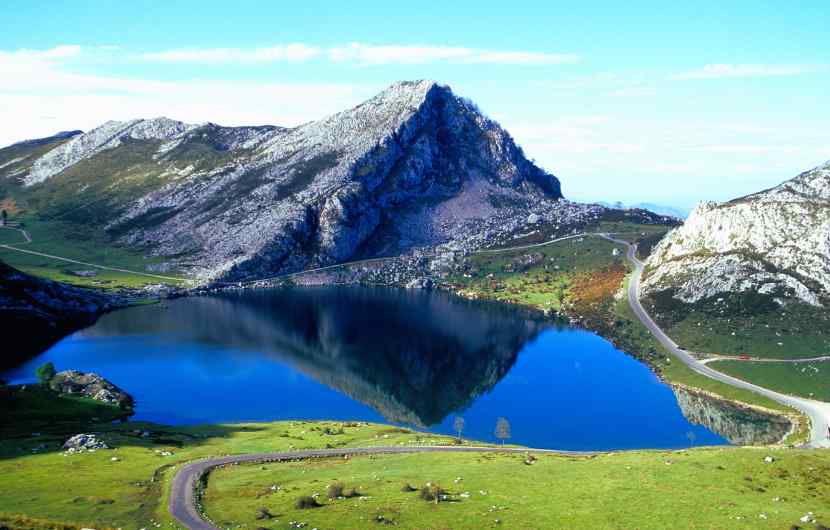
- Covadonga Lakes: These glacial lakes, Enol and Ercina, are surrounded by dramatic landscapes and are perfect for a serene stroll.
Wildlife You’ll Encounter
The park is a haven for wildlife enthusiasts. Look out for:
- Mammals: Iberian wolves, Cantabrian brown bears (in remote areas), and chamois.
- Birds: Griffon vultures, golden eagles, and alpine choughs often soar the skies.
- Reptiles and Amphibians: You may spot salamanders and the rare Iberian frog in the wetlands.
Insider Tips
- Pack Layers: Weather can change rapidly in the mountains, so be prepared for sun, rain, or even snow.
- Start Early: To beat crowds on popular trails like the Cares Gorge, begin your hikes early in the day.
- Local Delights: Don’t leave without trying queso de Cabrales, a strong blue cheese produced locally.
- Bring Cash: Some remote villages and establishments may not accept cards.
Entry Costs
The Picos de Europa National Park has no entry fee, making it accessible to everyone. However, fees may apply for guided tours, parking in certain areas, or using the Fuente De Cable Car.
Guided Tours and Where to Book
For an enriched experience, guided tours offer historical, ecological, and cultural insights. Options include:
- Local Hiking Guides: Book guided hikes tailored to your fitness level through companies like Guías Picos de Europa.
- Nature Tours: Specialised tours focus on the park’s flora and fauna, led by expert naturalists.
- Climbing Excursions: Experienced climbers can opt for guided ascents of peaks like Naranjo de Bulnes.
Booking is easy through tour operators in Potes or online platforms like GetYourGuide and Viator.
Places to Stay
Nestled amidst the breathtaking landscapes of the Picos de Europa, rural hotels and apartments offer the perfect retreat for nature lovers and adventurers alike.
These accommodations exude rustic charm, combining traditional architecture with modern comforts to provide an authentic sense of the region.
Many are located in picturesque villages like Potes, Cangas de Onis, or Arenas de Cabrales, offering convenient access to the park’s highlights.
You’ll find cosy rooms with mountain views, hearty local breakfasts featuring regional delicacies, and friendly hosts eager to share insider tips.
Some places offer outdoor terraces, fireplaces, authentic gastronomy, or proximity to hiking trails.
Located near the Fuente De cable car, an elegant mountain lodge offers stunning views and cosy rooms.

Regional Parks, Natural Reserves, and Natural Spaces
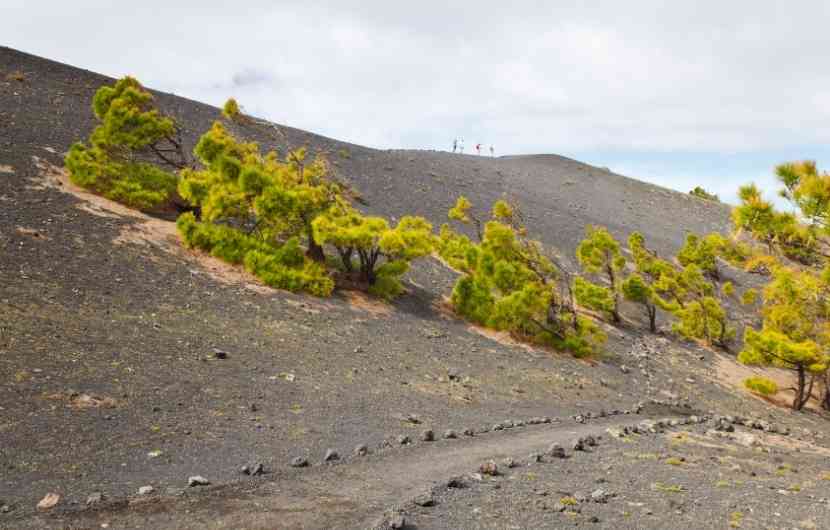
17. Cumbre Vieja
Location: La Palma, Canary Islands
This volcanic ridge in La Palma is famous for its striking landscape, shaped by ancient and modern eruptions, including the 2021 eruption. Explore explore lava fields, pine forests, and panoramic views of the Atlantic. It's an adventurer’s paradise with hiking trails leading to breathtaking vistas.
Google Maps Click Here
18. Aiako Harria Natural Park
Location: Guipuzcoa, Basque Country
Situated in the awe-inspiring Basque Country, this park offers a blend of dramatic granite peaks, deep valleys, and rich cultural heritage. Ideal for hiking and climbing, it showcases unique flora and fauna. The area also holds archaeological significance, with prehistoric caves and ancient iron mines.
Google Maps Click Here
19. Aralar Nature Reserve
Location: Gipuzkoa and Navarre regions, Basque Country.
Aralar Nature Reserve is a stunning expanse of limestone mountains, beech forests, and underground caves. Its natural springs and rich biodiversity make it an iconic symbol of Euskadi. Explore the Txindoki peak, also known as the "Basque Cervino," or wander through meadows filled with grazing sheep. The area is steeped in mythology, with dolmens and menhirs scattered throughout.
Google Maps Click Here
20. Baixa Limia-Serra do Xures Nature Reserve
Location: Province of Ourense, Galicia.
This reserve is a captivating mosaic of rugged mountains, lush forests, and clear rivers bordering Portugal's Peneda-Geres National Park. It’s an excellent destination for hiking, bird-watching, and exploring archaeological treasures like prehistoric rock carvings and Roman roadways. Known for its granite landscapes, endemic plant species, and diverse wildlife.
Google Maps Click Here https://maps.app.goo.gl/Hy4ECxGB3pywDoPi7
21. Corona Forestal Nature Reserve
Location: Tenerife, Canary Islands.
Encircling Teide National Park, Corona Forestal is the largest nature reserve in the Canary Islands. Its pine forests and volcanic terrain offer a striking backdrop for outdoor activities like hiking, cycling, and stargazing.
Google Maps Click Here
22. Penalara Summit and Nature Reserve
Location: Sierra de Guadarrama, Madrid.
The Penalara Nature Reserve is home the highest peak in the Madrid region, this reserve is a haven for mountaineers and nature lovers. Alpine meadows, glacial lakes, and rocky crags define its landscape. It’s an essential habitat for endangered species like the Iberian frog and a popular destination for eco-tourism and trekking
Google Maps Click Here
23. Montserrat Mountain Nature Reserve

Location: Catalonia.
Montserrat Mountain, located just outside of Barcelona, is renowned for its unique rock formations and the Montserrat Monastery. The park’s dramatic landscape is ideal for hiking, climbing, and nature walks, with panoramic views of the surrounding countryside. Montserrat is a spiritual site and a sanctuary for travellers who come to experience its stunning and tranquil surroundings.
Google Maps Click Here
24. Sierra de Aracena Nature Reserve
Location: Huelva, Andalusia.
This charming nature reserve is known for its old oak forests, scenic hills, and picturesque villages. It’s the perfect spot if your looking to experience authentic Andalusia. Explore the stunning cave systems of Gruta de las Maravillas and hike the many trails, that often passing through ancient olive groves and small villages.
Google Maps Click Here
25. Sierra de Baza Nature Reserve
Location: Granada, Andalusia.
Sierra de Baza is a geological marvel easily recognised by its limestone cliffs, valleys, and river gorges. A great spot for outdoor activities such as hiking, mountain biking, and birdwatching, particularly with its diverse bird species like the griffon vulture. The region is rich in both natural beauty and history, as seen in its ancient ruins and traditional villages
Google Maps Click Here
26. Sierra Castril Nature Reserve
Location: Province of Jaen, Andalusia.
The Sierra Castril Nature Reserve is a majestic part of the Sierra de Cazorla, Segura y Las Villas Natural Park. It is known for its deep canyons, limestone cliffs, and the Castril River, which cuts through the landscape creating a stunning natural environment. Luckily, you can explore the area through well-marked hiking trails that lead to hidden caves and waterfalls. The reserve is home to a range of wildlife, such as wild boar, mountain goats, and golden eagles
Google Maps Click Here
27. Sierra Cebollera Nature Reserve
Location: La Rioja Region
Located in the northern part of Spain, Sierra Cebollera is famous for its beautiful beech forests and alpine meadows. The reserve offers a peaceful environment for hiking, with trails that wind through dense woodlands and lead to stunning viewpoints. It is also known for its rich biodiversity, with trees and flowers that change dramatically with the seasons.
Google Maps Click Here
28. Sierra de Hornachuelos Nature Reserve
Location: Cordoba, Andalusia.
Sierra de Hornachuelos is a rich natural area in the heart of Andalusia, marked by rolling hills, deep gorges, and dense Mediterranean forests. It’s part of the Cordoba Subbetica, known for its olive groves and unique wildlife. There is plenty do to here for nature lovers such as birdwatching, particularly for the Spanish imperial eagle, and hiking through its rugged terrain.
Google Maps Click Here
29. Sierra de Huetor Nature Reserve
Location: Granada, Andalusia.
Sierra de Huetor is a protected area known for its rich Mediterranean flora and fauna. The reserve is located close to the City of Granada, offering a scenic getaway from urban life. The forested mountains, and rivers, make it a perfect spot for hiking, picnicking, and wildlife observation. The reserve is also home to the famous Alhambra palace, which adds a cultural element to the natural beauty of the region
Google Maps Click Here
30. Fragas do Eume Natural Park
Location: Galicia
Fragas do Eume Natural Park, located in the northwest of Spain, is a verdant paradise characterised by its dense Atlantic forest, rugged rivers, and deep ravines. The park is home to some of the most well-preserved temperate forests in Europe, with towering oak trees and abundant wildlife, including roe deer and various bird species.
Google Maps Click Here
31. Sierra Norte de Guadalajara Natural Park

Location: Guadalajara, Castile-La Mancha, Spain
The Sierra Norte de Guadalajara is a diverse natural park that spans rolling hills, rivers, and dense forests. It offers a haven for wildlife, including deer, wild boar, and numerous bird species. The park is known for its scenic hiking routes, particularly along the Alto Tajo River, where you can experience impressive rock formations and deep ravines.
Google Maps Click Here
32. Inagua Nature Reserve
Location: Gran Canaria, Canary Islands.
The Inagua Nature Reserve is located on the island of Gran Canaria in the Canary Islands. This reserve is known for its rugged terrain, deep ravines, and dense pine forests. It is part of the larger "Parque Rural de Doramas," and is home to a variety of endemic species of plants and animals. The reserve's rich biodiversity includes the endemic Gran Canaria blue chaffinch, as well as a variety of lizards and birds of prey.
Google Maps Click Here
33. Sierra y Cañones de Guara Natural Park
Location: Huesca, Aragon.
Sierra y Canones de Guara is a rugged landscape defined by deep gorges, caves, and striking limestone cliffs. Located in the foothills of the Pyrenees, it offers a vast network of hiking, climbing, and canyoning opportunities. The park is famous for its stunning natural beauty and unique geological features. Here, you can explore the park's rich biodiversity, including wild goats, vultures, and orchids.
Google Maps Click Here
34. La Garrotxa Volcanic Area Nature Reserve

Location: Girona, Catalonia.
La Garrotxa Volcanic Area is a unique natural park located in Catalonia, renowned for its dormant volcanoes and lush volcanic landscapes. The area features more than 40 volcanic cones, with the highest peak, Croscat, offering spectacular views over the park. It is a hotspot for hiking, mountain biking, and nature walks.
Google Maps Click Here
35. Dunes of Corralejo Nature Reserve

Location: Fuerteventura, Canary Islands.
The Dunas of Corralejo Nature Reserve is a stunning desert landscape of golden sand dunes, beaches, and crystal-clear waters. Located on the northern coast of Fuerteventura, this reserve is ideal for walking, dune surfing, and kite-surfing. The reserve is also home to various species of birds, lizards, and endemic plant life. Its vast, untouched landscape is a must place to visit when staying on the Canary Islands
Google Maps Click Here