


Dreaming of a fun-packed family holiday in Spain without breaking the bank? Look no further!
From low-cost-friendly accommodations and free tapas to lots of money-saving tips and tricks, we'll help you save money every step of the way.
Here are our top tips for travelling to Spain on a budget that will hopefully help you save money when planning your next holiday to Spain.
» You can also check out our Ultimate Spain Bucket List travel guide, which has 300+ Epic Spanish Experiences to help you plan your next trip to Spain.
Finding Cheap Accommodation

When it comes to finding cheap accommodation in Spain, there are several options that can help you save money while ensuring a comfortable stay.
Here are some of the best types of budget-friendly accommodations and the best places to find them:
Hostels:
Hostels are a popular choice for budget travellers. They offer dormitory-style rooms with shared facilities such as bathrooms and common areas.
Hostels are a great place to meet fellow travellers and often offer amenities like communal kitchens, laundry facilities, and social activities.
Websites like Hostelworld, Hostelgooks, and Hotels.com are excellent resources for finding and comparing hostels in Spain.
Guesthouses and Pensiones:
Guesthouses and pensions are smaller establishments that offer affordable accommodation with private or shared facilities.
These properties are usually family-run and provide a cosy and welcoming atmosphere.
They can be found in both urban and rural areas, and websites like VRBO, Airbnb and Hotels.Com offer options for guesthouses and pensions.
Budget Hotels:
Look for budget hotels that offer basic amenities at affordable prices. These hotels may have smaller rooms but still provide comfort and convenience. Travel comparison websites like hotels.com and Last Minute allow you to search and filter hotels based on price and location. The sites then choose the best deals offered from all the top hotel booking sites.
Apartment Rentals:
Renting an apartment can be cost-effective, especially if you travel with a group or plan a more extended stay.
Websites like Vrbo, Airbnb, and HomeAway offer various apartments, studios, and holiday homes in different cities across Spain.
Renting an apartment allows you to save money on dining out by allowing you to cook your meals.
Camping:

If you enjoy outdoor adventures, consider camping as a budget-friendly accommodation option.
Spain has plenty of quality campsites with facilities for tents, caravans, campervans, and lodges.
Camping and motorhome holidays in Spain allow you to experience nature while saving money on accommodation costs.
Websites like Eurocampings and Campings.com provide information on campsites and their amenities.
House Sitting:
House sitting is a unique way to secure free accommodation in Spain.
Platforms like TrustedHousesitters and MindMyHouse connect homeowners who need their properties looked after with responsible travellers willing to house sit in exchange for free accommodation.
House sitting saves you money and allows you to experience local life.
Last-Minute Deals:
Watch for last-minute deals and discounts offered by hotels, hostels, and vacation rentals. Websites like Lastminute.com and Hotels.Com often have special offers for spontaneous travellers, allowing you to snag affordable accommodation options.
When searching for budget accommodations, consider the location's proximity to public transportation, attractions, and amenities.
Reviewing the property's ratings can help ensure a comfortable and pleasant stay.
Find Cheap Flight Deals

Finding cheap flights requires some research and planning.
Here are some top tricks and tips to help you find affordable airfare:
Be Flexible with Travel Dates:
Being flexible with your travel dates can significantly impact the price of your flight. Consider flying on weekdays or during off-peak seasons when prices are lower.
Use flexible date search options on flight booking websites to compare prices across various dates.
Use Flight Comparison Websites:
Utilise flight comparison websites like Skyscanner, Expedia, and Google Flights to compare prices across multiple airlines.
These platforms aggregate airline flight options and display the best deals available.
You can also set up price alerts to receive notifications when prices drop.
Be Open to Different Airports:
Consider flying in or out of alternate airports near your destination.
Sometimes, smaller airports or those located slightly further away offer cheaper flights.
Compare prices for different airports to find the best deal.
Book in Advance:
Generally, booking your flight well in advance can help you secure lower fares.
Airlines often offer promotional prices for early bookings.
However, keep in mind that last-minute deals can occasionally be available, so it's worth checking prices closer to your desired travel date as well.
Fly with Budget Airlines:
Budget airlines often offer cheaper fares compared to full-service carriers.
While budget airlines may have certain limitations, such as additional fees for baggage or in-flight services, they can be a great option for travellers looking to save money.
Some popular budget airlines in Europe include Ryanair, EasyJet, and Vueling.
Be Flexible with Layovers:
Opting for flights with layovers can sometimes be cheaper than direct flights.
If you don't mind a longer journey and have some flexibility with your schedule, consider flights with layovers.
However, be mindful of the layover duration and ensure you have enough time to make your connecting flight.
Clear Browser Cookies or Use Incognito Mode:
When searching for flights, clearing your browser cookies or using incognito mode can help prevent airlines from tracking your search history and potentially increasing prices based on demand. This way, you can start each search with a clean slate.
Sign Up for Airline Newsletters and Alerts:
Subscribe to newsletters and fare alerts from airlines to stay updated on special promotions, flash sales, and discounted fares.
Airlines often send out exclusive deals to their subscribers, giving you an opportunity to grab cheap flights.
Remember to compare prices across different platforms, airlines, and travel dates to ensure you're getting the best possible deal.
It's also advisable to check the airline's baggage policies and any additional fees to factor them into your overall cost.
Airport Travel

Travelling to and from airports is a big part of any holiday to Spain, here are some top tips to not let it unnecessarily eat away at your spending money.
Airport Departure:
Public Transport: Use public transportation like buses or trains instead of taxis or ride-sharing services.
Off-site Parking: If driving, consider parking at off-site locations which often offer cheaper rates than on-site airport parking. And if so make sure you book well in advance for the best parking rates.
Pack Snacks: Airports charge a premium for food. Pack your own snacks to avoid expensive airport food.
Luggage Fees: Check airline baggage fees ahead of time and pack accordingly to avoid extra charges.
Carry a Refillable Water Bottle: Instead of buying bottled water, bring an empty bottle and fill it up after security.
Duty-Free Limits: Be aware of the duty-free limits to avoid unnecessary purchases or potential penalties.
Money Exchanges: Don’t be tempted to use the airport currency exchange bureau as the exchange rates are notoriously lower than off-site locations.
Arriving at the Destination Airport:
Airport Shuttles: Many hotels offer free airport shuttles. Check with your accommodation beforehand.
Local SIM Cards: Instead of activating international roaming, buy a local SIM card for mobile usage.
Research Local Transport: Understand the local public transport options and fares from the airport to your destination.
Shared Rides: Consider shared airport shuttle services or ride-sharing pools to split the cost.
Avoid Airport ATMs: They often have higher fees. Withdraw money in the city or use a credit card.
Tourist Cards: Some cities offer tourist cards that provide unlimited public transport and might be economical if you're planning to use public transport frequently during your stay.
Eat Outside the Airport: If you're hungry upon arrival, consider eating in the city rather than at the airport where prices can be inflated.
Exchange Currency in the City: While it's convenient, airport currency exchanges usually have less favourable rates. It's generally a lot better to exchange money in the city or use local ATMs.
Avoid Taxi Rides: Whenever possible it's always a good idea to avoid costly taxi rides, instead look at using the connected metro and local airport-to-destination services. For example, a taxi ride from Barcelona’s El Prat airport to the city centre costs around €25 to €30 as opposed to using the metro which costs just over €5 and is often quicker.

Eating on a Budget:
When it comes to eating out on a budget in Spain, here are some tips and tricks to help you save money:
Menu del Dia:
Look for restaurants offering a "Menu del Dia" (Menu of the Day). These fixed-price menus typically include a starter, main course, dessert, and sometimes even a drink.
These value-for-money menus are usually available during lunchtime and offer excellent value for money.
Tapas:
Opt for tapas, which are small plates of food that are meant to be shared.
Tapas are a great way to sample a variety of dishes without breaking the bank.
Many bars and restaurants offer special tapas deals, where you can choose from a selection of tapas at a discounted price.
2-for-1 Meal Deals:
In Spain there are a number of big food chains such as La Surena, 100 Montaditos, and Pomodoro sometimes set aside one afternoon a week to offer buy 1 plate and get one free deals which are excellent value for money.
Menu del Noche:
Some restaurants also offer a "Menu del Noche" ( Evening Menu) for dinner. These menus often include several courses at a fixed price and can be more affordable than ordering a la carte.
Stay Away From Tourist Traps:
Venture away from touristy areas and seek out local eateries frequented by locals. These places often offer authentic and reasonably priced traditional dishes.
Restaurants located near popular tourist attractions often charge higher prices. Venture a bit further away to find more reasonably priced options that offer better value for money.
Share Meals:
Consider sharing meals with travel companions. Many portions in Spanish restaurants are generous, and sharing can help save money while still enjoying a variety of dishes.
Daily Market Visits:
Explore local markets where you can find fresh produce, meats, and other ingredients. Pick up some items for a picnic or prepare your meals if you have access to a kitchenette or self-catering accommodation.
Lunchtime is Key:
In Spain, the main meal of the day is traditionally eaten during lunchtime. Many restaurants offer affordable lunch menus, making it a great time to dine out and enjoy a more substantial meal at a lower price.
Drink Local:
Opt for local wines, beers, or other traditional drinks instead of imported or branded beverages. Local brands are generally cheaper and mostly are very good quality.
Street Food and Food Markets:
Check out street food stalls, food trucks, and local food markets for affordable and tasty options. You can find fresh fruit and veg, delicious snacks, sandwiches, and traditional bites at lower prices.
Enjoy Delicious FREE Tapas!

The tapas culture in Spain has made it a haven for travellers looking to eat out on a budget.
However, did you know that there are many places in Spain where bars offer free tapas on the house every time you order a drink? That amounts to free food—how amazing, right?
This practice is widespread across Spain, although it is prevalent mainly in Granada, Salamanca, Segovia, Avila, Leon, Almeria, Santiago de Compostela, Vigo and Jaen.
Order a drink, often just a beer or wine ( at regular prices ), and you'll be presented with a plate of delicious Spanish bites, ranging from patatas bravas, cheese and ham to local specialities.
For visitors, it's a delightful way to savour Spanish tapas without breaking the bank.
Top Up On Free Water
As of April 2022, all bars and restaurants must offer free tap water as an alternative to bottled water. And let's face it, what’s the difference in most cases? A nice bottle and label, perhaps!
When dining with a larger group, especially with kids, the drinks bill will often be much more than the actual food. Quenching your thirst with free tap water makes sense all around. It's not only a lot healthier but can save you a small fortune by the end of your holiday.
Remember, dining out is about saving money and experiencing the local cuisine and culture.
Don't be afraid to try new dishes and explore different neighbourhoods to find hidden gems that offer great food at reasonable prices.
Getting Around on a Budget

Public Transportation: Utilise Spain's efficient public transportation systems, such as buses and trains, which are often more affordable than taxis or private transfers.
Walk and Explore: Many cities in Spain are pedestrian-friendly, allowing you to explore on foot. Walking saves money and lets you discover hidden gems off the beaten path.
Bike Rentals: Rent bicycles to explore coastal areas, parks, and scenic routes. This eco-friendly mode of transport is budget-friendly and provides a unique perspective of your surroundings.
Enjoy Free Walking Tours

What better way to learn about many of Spain´s top landmarks than joining a free guided tour run by locals?
Well, you'll be delighted to know that many tour companies in Spain offer completely free or tip-based tours. These allow you to enjoy amazing guided tours wholly free or, at worst, for the price of a small tip.
What better way to immerse yourself in Spain's top destinations and cultural sites, including vibrant cities like Barcelona, San Sebastian, Madrid, Seville, Malaga, Granada, and Palma de Majorca?
While these tours are free to book, it is customary to show appreciation for the guide's efforts by leaving a tip at the end, although it is not obligatory.
However, tipping is optional, and you should only do so if you genuinely enjoyed the tour and feel it added value to your experience.
Budget-Friendly Local Transportation:

Public Transportation:
Spain has an extensive network of buses, trains, and metros that offer affordable transportation options within cities and between regions. Consider purchasing travel cards or passes for unlimited travel within a specified period.
Carpooling and Ride-Sharing:
If you're exploring smaller towns or rural areas, consider carpooling or ride-sharing services to share transportation costs with other travellers.
Walking and Cycling:
Spain's cities and towns are often compact and pedestrian-friendly. Take advantage of this by walking or cycling to explore local attractions, historical sites, and picturesque neighbourhoods.
Remember, planning, researching discounts, and being flexible with your itinerary can make your trip to Spain more affordable.
With the right mindset and creativity, you can create incredible memories while staying within your budget. So, explore Spain's vibrant cities, breathtaking landscapes, and rich cultural heritage without breaking the bank!
Bus & Train Passes
Spain offers excellent public transportation options, including bus and train passes, that provide convenient and cost-effective ways to explore the country.
Renfe Trains

Renfe, short for "Red Nacional de los Ferrocarriles Españoles," is Spain's national railway company.
Renfe operates various train types, from local commuter "Cercanias" services to the high-speed "AVE" trains, which connect major cities like Madrid, Barcelona, and Seville at up to 320 km/h.
The AVE system, introduced in 1992, has revolutionised travel within Spain, offering a competitive alternative to air travel.
Getting around Spain by Train
Travelling by train in Spain offers one of the most efficient and comfortable ways to explore this diverse country.
The Spanish railway system, operated mainly by Renfe, is comprehensive, covering most regions and connecting even remote areas.
There are various types of trains catering to different travel needs. High-speed AVE trains connect major cities such as Madrid, Barcelona, and Seville, offering quick and luxurious travel.
Regional and local trains (Cercanias and Media Distancia) offer more budget-friendly options and are less expensive.
Spain's train system can vary in cost. AVE tickets can be pricey, but they are often cheaper when booked well in advance.
The average price for the high-speed AVE line from Barcelona to Madrid is around €180, and the return trip takes approximately 2 hours and 45 minutes.
Look out for high-speed, low-cost carriers such as AVLO, OUIGO and IRYO, which offer return fares for the same journey for as little as €45. They may not offer the same services as Renfe, but if you book in advance and travel during off-peak times, you can save hundreds of Euros, especially if you plan to travel with a larger family or group.
The Renfe website or app is user-friendly for ticket purchases, and train stations also have ticket counters and machines.
Convenience is another significant advantage of rail travel in Spain.
Most large cities and towns have well-located train stations, many of which are architectural marvels.
Madrid's Atocha and Barcelona's Sants are among the most significant and busiest train stations, offering a range of amenities and connecting to local transport.
Spain has over 2,000 train stations, making rail travel highly accessible.
Whether you're headed to a bustling city, coastal area, or mountainous region, there's likely a train that can take you there comfortably, efficiently and at a price that doesn’t put too much of a dent in your holiday budget.
How to get the best out of train travel with Renfe
Book Early:
For popular travel periods like Easter Week, Christmas, and summer, book your Renfe train tickets in advance to access the best prices.
Waiting too long may result in missing out on tourist-class tickets, and upgrading to first class on Spanish trains isn't always worth the extra cost.
Purchase directly from the Renfe website:
Using the Renfe website is highly recommended, as it is easy to navigate, provides information, and lets you book train tickets. Try to avoid using third-party vendors when buying train tickets. To get the best prices, buy your tickets at the train station ticket office or on Renfe's official site, renfe.com.
Search for Online Booking Offers:
Special "promo only" deals available online can help you save, especially if you're considering a journey on the high-speed AVE train.
Slower Trains Can Help You Save More:
While Spain's AVE high-speed rail is the fastest form of rail travel, it comes at a premium.
The slower regional trains that pass through various villages offer scenic views and are lighter on the wallet.
If you're not in a hurry, it's a budget-friendly and picturesque option.
Train Passes

Here are some examples of popular train passes and their prices in major cities:
Madrid:
Abono Transportes: This pass offers unlimited travel on buses, metro, and local trains within Madrid's transportation network. Prices vary depending on the zones covered, starting from around €20 per month.
Tourist Travel Pass: Valid for 1, 2, 3, 5, or 7 consecutive days, this pass provides unlimited travel on all public transportation modes in Madrid, including metro, buses, and local trains. Prices range from €8.40 for a 1-day pass to €35.40 for a 7-day pass.
» Madrid Tourist Pass.
Barcelona:
T-10 Casual Card: This card allows 10 trips on the metro, buses, and trams within Barcelona. It is shareable among multiple users and offers a discounted fare compared to single tickets. The T-10 Card costs around €10.50.
Hola Barcelona Travel Card: Available for 2, 3, 4, or 5 consecutive days, this pass offers unlimited travel on metro, buses, trams, and trains within Barcelona's transportation network. Prices range from €16.30 to €42.50, depending on the duration.
Valencia:
Bonometro: This card provides ten trips on the Valencia metro, buses, and trams. It offers a discounted fare compared to individual tickets, costing around €9.70.
Bonobus Card: Designed for regular bus travellers, this card allows unlimited bus travel within Valencia's metropolitan area. Prices vary depending on the number of zones covered, starting from around €12.20 for 30 days.
Seville:
Bonobus Card: This card offers 10 bus trips within the Seville metropolitan area. It offers savings over individual tickets and costs approximately €8.40.
Sevilla Travel Card: Available for 1, 3, or 7 days, this pass provides unlimited travel on buses, trams, and metro within Seville. Prices range from €5.50 to €18.00, depending on the duration.
Malaga:
Tarjeta Multiviaje: This card allows 10 trips on buses and metro within the Malaga metropolitan area. It offers a discounted fare compared to individual tickets and costs around €9.30.
Malaga Pass: Available for 24, 48, or 72 hours, this pass provides unlimited travel on buses and metro within Malaga. Prices range from €5.15 to €10.50, depending on the duration.
Bus, train and metro passes offer convenience, flexibility, and cost savings, making them ideal for exploring Spain's towns, villages, cities and beyond.
Bilbao Bizkaia Card:
This card provides free access to public transport, including buses, metro, and trams in Bilbao and the wider Bizkaia region. It also offers discounted entry to museums, attractions, and guided tours
Multiuse Tourist Travel Cards

Tourist travel passes in Spain offer visitors an efficient and often more economical way to explore the country.
The most popular is the Spain Rail Pass, allowing unlimited travel on national trains.
City-specific passes, like the Barcelona Card or Madrid Tourist Travel Pass, grant unlimited public transportation and often include free or discounted entrance to major attractions.
Benefits:
Cost-Efficient: These passes can be more economical than buying individual tickets, especially for those planning extensive travel.
Convenience: Avoid the hassle of purchasing tickets for each journey.
Additional Perks: Many passes offer discounts on attractions, museums, and cultural sites.
Flexibility: Unlimited travel options allow tourists to change plans on the go.
Negatives:
Initial Cost: The upfront cost of a pass can be high, potentially not worth it for travellers planning to move minimally.
Overplanning: There's a temptation to overextend oneself to "get the most" out of the pass.
Limitations: Some passes may not cover all types of transport or attractions, necessitating additional expenditures.
In summary, while tourist travel passes in Spain provide convenience and potential savings, you must evaluate your travel plans to ensure you make a cost-effective choice.
Some of the most popular travel passes include:
Barcelona City Pass:
This pass provides access to Barcelona's top attractions, including skip-the-line entry to Sagrada Familia and Park Guell and unlimited use of public transport in the city.
Madrid Tourist Travel Pass:
This card grants unlimited metro, bus, and suburban train travel within Madrid's city centre. It also includes discounts on major attractions and museums.
Valencia Tourist Card:
With this card, visitors can enjoy unlimited travel on public transport in Valencia, including buses, trams, and the metro. It also offers free entry or discounted rates for many attractions and museums.
Seville City Sightseeing Card:
This card allows unlimited use of buses and trams in Seville and free entry to major attractions like the Cathedral, Alcazar, and Flamenco Shows.
» Seville City Sightseeing Card
Bilbao Bizkaia & Barik Tourist Cards:
These provide free access to public transport, including buses, metro, and trams in Bilbao and the wider Bizkaia region. It also offers discounted entry to museums, attractions, and guided tours.
Granada Card:
This card provides entry to major attractions in Granada, including the Alhambra. It also includes access to public transport within the city.
The following destinations in Spain also offer tourist cards. However, they are not always available, so it is advisable to check the official tourism website in each area to confirm availability.
Tenerife Travel Pass:
This pass allows unlimited travel on public transport in Tenerife, including buses and trams. It also offers discounts on selected attractions and activities.
Zaragoza Card:
The Zaragoza Card offers free entry to museums, monuments, and attractions in Zaragoza and unlimited travel on local buses.
Majorca Pass:
This card grants free entry to numerous attractions in Mallorca, such as Palma Cathedral and Bellver Castle. It includes hop-on and hop-off bus tours and discounts on various activities.
Costa Blanca Tourist Card:
This card is available in the Costa Blanca and offers discounts on attractions, restaurants, and shops. It also includes access to public transport in the area.
Car Hire
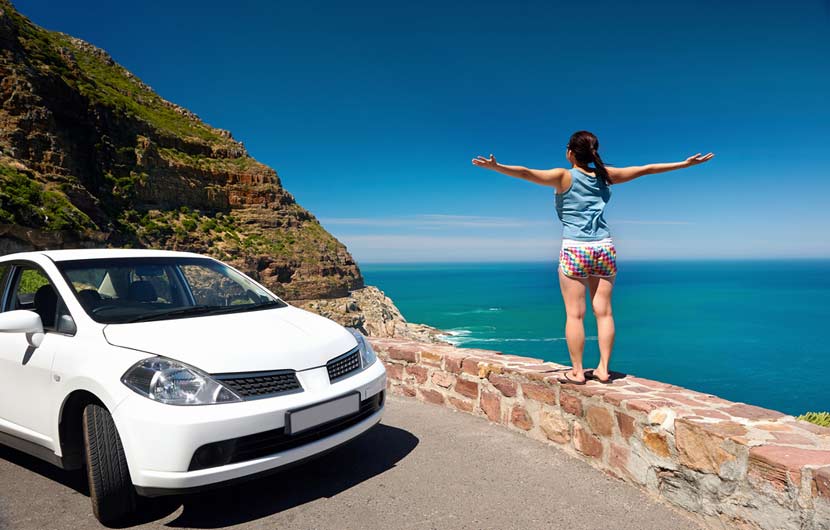
Car hire in Spain is an excellent choice for leisurely exploring the Spanish countryside.
Choosing the right vehicle and booking conditions wisely can help save you a small fortune.
Here are our top tips for you to get the most out of car rentals in Spain.
- When you book your car, choose the FREE cancellation option so you don’t lose money if your holiday changes or is cancelled for any reason.
- Don’t hesitate to change your booking if you find a better deal. The free cancellation option will allow for this.
- Choose the “airport collection” to collect your car. Collecting a vehicle in other locations, such as city centres or hotels, may cost you more.
- Make sure you choose the right vehicle for your needs. The smaller, the better, where possible.
- Ensure theft and collision damage waiver is included.
- It is generally better to choose unlimited mileage options.
- Ensure any extra drivers are included in the car hire agreement.
- Whenever possible, choose the Full-to-Full fuel policy.
- Most car hire companies will offer cheaper rates if you choose a high excess for fully comprehensive insurance.
Top-Tip
Regarding collision damage waiver, most car rental companies charge an excess between €600 and €1,500.
BEWARE: When you collect your car, most companies will try to pressure you into buying additional insurance to cover this excess. The excess can range from 100€ to 500€, depending on the amount to be covered.
Instead, consider using specialised car hire and excess insurance providers. They generally offer around 45€ for an annual policy that covers car rentals for up to 30 days at a time and up to £6,000, which is more than enough for most rentals.
When you collect your car rental in Spain, the company will note any existing marks and damage on the contract.
However, it is wise to thoroughly check the vehicle before driving it away, take photos of all sides of the car, and inform the rental company of any damage they have not correctly noted in your contract.
Enjoy FREE Guided Tours

Did you know that there are numerous tour operators in Spain that offer free guided tours that are perfect for visiting Spain on a budget and free to book.
Many of the top tour companies set aside certain times during the week to offer free-to-book (tip-based) tours.
Discover Spain's top destinations and heritage landmarks, such as Barcelona, San Sebastian, Madrid, Andalucia, Seville, Malaga, Granada, and Mallorca.
Yes, most of the free tours will sometimes offer a more limited experience than the normal paid tours, but they are still an ideal way to discover places on a budget with experienced local guides.
There are a number of reputable tour companies in Spain offering this amazing service such as FreeTours, Guru Walks, and Runner Bean Tours.
While these tours don't require any booking fee, if you enjoy the experience, you're encouraged to leave a tip at the end of the tour. However, you will never be pressured into leaving a tip.
Amazing FREE Things To Do In Spain

There are many things you can do in Spain absolutely for Free!
Across cities like Madrid, Barcelona, and Seville, many renowned museums have specific days or hours when they offer free admission.
The pick of museums you can visit for free include:
- El Prado in Madrid: Free Entry: Sundays 17:00-19:00.
- Reina Sofia Museum Madrid: Free Entry: Mon & Wed-Sat 19:00-21:00, Sun 13:30-14:30.
- Thyssen-Bornemisza Museum, Madrid: Free Entry: Mondays 12:00-16:00.
- Picasso Museum Barcelona: Free Entry: First Sunday of the month.
- National Museum of Romanic Art, Merida: Free Entry: Saturdays from 14:00, Sundays
- Picasso Museum Malaga: Free Entry: Sundays after 16:00
- Castell de Bellver, Palma de Mallorca: Free Entry: Sundays
- The Museum of Fine Arts, Seville: Free Entry: Tuesdays
- The Museum of Fine Arts, Valencia: Free Entry: Saturdays & Sundays
- The Famed Alcazar Palace in Seville: Free entry on Mondays from 4 pm to 5 pm.
Plus, there are plenty of activities that won't cost you a penny of your hard-earned holiday budget.
Some of the most popular free activities include:
- Walking around the outside of Gaudi´s marvels in Barcelona, including the Sagrada Familia:
- Watch a night light show from the outside of the Alhambra Palace.
- Wander around the renowned Retiro Park in Madrid.
- Enjoy one or more of the many colourful festivals and fiestas held in Spain throughout the year in every city, town and village across Spain.
- Stroll along the La Rambla boulevard in Barcelona.
- Visit the Temple of Debod in Madrid.
- Admire the stunning architecture of the City of Arts and Sciences of Valencia.
- Admire the main naïve of the incredible Santiago de Compostella Cathedral, which is open to the public daily for free.
In essence, Spain provides countless opportunities to experience its wonders, proving that some of the best things in life, indeed, are free.
FREE Wifi!

In order to avoid getting hit with huge roaming charges that could ruin your Spanish holiday, make sure you check the roaming conditions of your current phone and Wi-Fi contract before arriving in Spain.
If your provider doesn’t offer free roaming whilst in Spain, then switch off the roaming option on your mobile phone, ensuring it remains deactivated until you return home.
There are other ways to stay connected in Spain.
Spain boasts a wide network of Wi-Fi hotspots, available in numerous locations like cafes, shops, and hotels.
Moreover, if you are planning a longer stay or need to have full-time internet access, buying a local pre-paid SIM card is a savvy option.
Not only do local pre-paid SIM card providers offer low-cost data packages, but they also allow for local and international calls.
By balancing the use of free Wi-Fi hotspots and a local prepaid SIM card, you can stay online 24/7 without paying hefty bills.
Best Pre-Paid SIM Cards For Tourists:
There are a number of online platforms that offer e-SIM cards tailored for Spain, including Saily, Traveltomtom, Airalo, and Simoptions.
If you order your card well in advance, you can have it delivered to your home prior to your holiday journey, ensuring you’re all set up before stepping foot in Spain.
The big Spanish SIM card providers that are well worth checking out include Vodafone, Orange, Simyo, Movistar, and Yoigo.
Cards can also be purchased at all the major airports in Spain on arrival. However, for the best deals, it's best to order one in advance as you may be paying over the odds in many airports.
A VPN For Privacy & Security

It is important to stay safe online and ensure your details and finances are kept safe.
One way to do this is to install a Virtual Private Network ( VPN ) on your mobile device.
What is a VPN?
A VPN, or Virtual Private Network, is a digital tool that creates a secure connection between your device and the internet.
It encrypts your online data, making it unreadable to potential hackers or prying eyes.
By rerouting your internet traffic through servers in different locations, a VPN can also mask your actual IP address, giving you online anonymity.
This is especially useful for accessing geo-restricted content or maintaining privacy on public Wi-Fi networks.
Protect yourself from public Wi-Fi:
Public Wi-Fi networks are often insecure, and hackers can use them to steal personal information. A VPN can help protect your data when you use public Wi-Fi in your hotel, rental property, or other free Wi-Fi spots.
Access to geo-restricted content:
A VPN can help you to access websites and services that may be blocked while you are in Spain. For example, a VPN will allow you to watch Netflix UK or US or to access BBC iPlayer to watch your favourite programmes.
Check out our guide to The Best VPNs For Spain & Why You Need One.
Medical & Travel Insurance

Don’t Forget Your GHIC & EHIC:
The GHIC (Global Health Insurance Card) and EHIC (European Health Insurance Card) are both issued by the UK to provide citizens with access to healthcare services when travelling abroad.
The EHIC, valid within the European Economic Area (EEA) and Switzerland, covers or reduces the cost of necessary medical treatment due to either an accident or illness.
With Brexit, while the EHIC remains valid until its expiry, it's being replaced by the GHIC. The new GHIC offers similar benefits and covers necessary healthcare in the EU.
However, it's crucial to note that neither card is a substitute for travel insurance, as they don't cover repatriation or non-urgent treatments.
It is always advisable not to travel without comprehensive insurance alongside these cards.
If you have an existing European Health Insurance Card (EHIC), you can continue to use it in Spain after 1st January 2021. The benefits will continue as normal until the expiry date on the card.
If you don't have an EHIC, or it's expiring soon, you must replace it with the new Global Health Insurance Card (GHIC).
Travel Insurance
Travel insurance is essential to any trip abroad, offering a safety net against unexpected circumstances that can arise during travel.
Firstly, it covers medical emergencies, ensuring you don't face exorbitant medical bills should you fall ill or get injured abroad.
Travel insurance also covers trip cancellations, interruptions, or delays. Whether it's due to personal reasons, natural disasters, or other unforeseen events, you may be able to reclaim a portion, if not all, of your holiday costs.
Furthermore, travel insurance offers protection against lost, stolen, or damaged luggage.
Additionally, some policies provide coverage for personal liabilities, offering protection in case you accidentally cause damage to property or another person.
Recommended Travel Insurance Providers:
» Global Link Travel Insurance
» Heymondo Travel Insurance
» Travel Supermarket
» Go-Compare
» Post Office UK
SPECIAL OFFER - Get 5% Off When You Book Travel Insurance with Heymondo
How Much Does It Cost To Go To Spain for 1 Week?

Family Budget Travel Costs
The cost of budget travel to Spain from the UK and other EU countries for a family can vary depending on several factors such as location, time of year, and personal preferences.
However, on average, a family of four on a budget can expect to spend around €100-€150 (£85 to £138) per day.
Accommodation: A family room in a budget hotel or hostel can cost €40-€60 (£34 to £53) per night. Alternatively, Airbnb offers various low-cost options that can be even cheaper if you book for a week or more.
Flights: Budget airlines such as Ryanair and EasyJet offer round-trip flights to Spain from various European cities for as low as €50-€100 (£43 to £65) per person.
Prices will vary depending on your departure city and how far in advance you book.
Food: Eating out in Spain can be inexpensive if you avoid touristy areas. A meal at a modest restaurant could cost around €10-€15 (£8 to £13) per person. Many places also offer free tapas with a drink purchase.
Sightseeing: Many Spanish cities have free or low-cost attractions. Museums often have free days or discounted rates for children. Walking tours operate on a tip-based system, allowing you to pay what you feel is appropriate.
While these are rough estimates, they offer a fair guide to help you plan a budget-friendly family trip to Spain.
Solo Traveller Holiday Costs To Spain

The approximate daily cost for a budget-conscious solo traveller in Spain can vary widely depending on location, activities, and personal preferences.
However, a reasonable estimate could be around €50-€100 (£43 to £86) per day.
For solo travellers, the daily costs can be substantially lower depending on choices and preferences.
Accommodation for one can range from €20-€40 (£18 to £35) per night in a hostel dorm room.
Some solo travellers opt for single rooms in budget hotels, which could cost around €40-€60 (£35 to £52) per night.
Public transportation like buses or metro is usually around €1-€2 (£0.86 to £1.72) per ride, making it cost-effective for getting around the city. If you prefer to walk, you'll save even more.
Food can be as low as €5 for a light meal or sandwich, and if you take advantage of the free tapas in places like Granada, you can save more.
Inter-city travel can be economical if you book train or bus tickets in advance, with prices varying from €15-€50 (£13 to £43) depending on the distance and type of service.
Discount cards or tourist passes for trains, museums, and local transportation can further lower costs.
All in all, a budget-conscious solo traveller can enjoy a fun holiday, even on a tight budget, especially when making smart choices like supermarket meals, walking instead of public transit, going on free tours and taking advantage of free or low-cost attractions.