

Big Shocks & Hidden Costs

- Tourist taxes & VAT stuff
Some cities are pushing taxes on short-term rentals. Hotels have VAT (IVA) around 10%, but apartments might soon be hit with 21% in some places. It might affect what you thought you paid. - Transport passes aren’t always a bargain
Many of the free or subsidised transport deals are ending or being tweaked. I used to live off commuter passes, but recently, the subsidies ended in some regions. Always check local authority websites. - Accommodation climbs in peak times
Summer, big festivals or bank holiday weekends = prices spike. I once paid triple for a night in Granada during a flamenco festival compared to a random midweek stay. Booking ahead helps. - Eat where the locals do
If you eat in tourist-heavy areas (near major monuments, along beachfronts) expect steep prices. One simple “plato combinado” (mixed plate) in Málaga near the beach cost me €18, where a few blocks away the same thing was €10.
Hidden Gems I Found That Saved Me Cash (And Gave Great Value)
- In Seville, instead of eating in Santa Cruz or near the cathedral, I headed to Alameda de Hércules. Loads of bars where locals go — tapas are cheaper, wine glasses are generous, vibe is much more relaxed.
- In Granada, I stayed in Hostal Atenas near Calle Navas. Basic room, but clean and fuss-free. It left more of my budget free to spend on food and flamenco.
- In Valencia, I loved grabbing lunch at Central Market — lots of stalls, fresh produce, friendly vendors. I had a big seafood paella for ~€12 with a beer. You can’t beat that for value.
- Out in the countryside around Murcia, I found some rural guesthouses (casas rurales) that offered full board — meals included — at around €60–€70 per night. One had amazing homemade jamón and wine. Very cosy.
What You SHOULD Budget If You Want a Decent Trip

If we’re being realistic, here’s what you should expect to pay per day if you want a good experience without being flash:
- Backpacker / shoestring style: €60–€80/day. Rough hostel or cheap guesthouse, mostly street food or tapas, walking/public transport, maybe one treat.
- Middle ground: €120–€180/day. Private room or Airbnb, some nicer meals, sightseeing, occasional taxi or domestic flights, maybe a splurge day.
- More comfortable trip: €200–€300+/day if you want nicer hotels, wine, theatre, guided tours, staying in prime tourist zones.
My Takeaway: Where to Save & Where to Splurge
- Save on lodging: Stay slightly outside flashy centres. For Madrid, near Lavapiés or La Latina, is cheaper and yet charming. For Barcelona, look in Gràcia or Poble Sec rather than right on Las Ramblas.
- Cook some meals: Airbnbs with kitchens pay off big time. Even buying bread, cheese, olives, is lovely and cheap.
- Use lunch menus: Menú del día is often the steal of the week — 3 courses + drink, great food, much cheaper than dinner. I made it my rule: one big dinner a day, lunches on the run or relaxed menu del día.
- Drink like a local: Skip sangria-heavy tourist traps. Go for tinto de verano or local wines. Beer is usually €2–€3 in most places outside premium bars.
- Timing matters: Shoulder seasons (late spring, early autumn) are your goldmine. Still warm, less crowded, prices dip.
Eating out on a Budget

If you’re travelling Spain on a budget, food is where you can really win. My absolute favourite trick is to eat where the locals eat at lunchtime. Almost every bar and little restaurant offers a menú del día – two or three courses, bread, a drink and sometimes coffee – for anything from €10 to €15. In Madrid, for instance, I’m borderline addicted to the lentil stew at Taberna La Dolores near Antón Martín; it’s homely, cheap and they’ll keep topping up your bread basket without asking.
Down in Córdoba, a bowl of salmorejo (a thicker, creamier cousin of gazpacho) at Bodegas Campos is still under €7 if you order it at the bar – and it’s honestly better than the version I once paid three times as much for in Seville. Granada is even more ridiculous: at Los Diamantes near Plaza Nueva, you pay for a small beer and get a generous free tapa with every round. Order two cañas and you’re basically eating dinner for €5.
For a sweet fix, I always sneak off to Churrería Alhambra in Valencia’s old town – thick, fresh churros with molten chocolate for under €4. Or, if you’re on the coast, pop into the nearest market for picnic supplies: ripe tomatoes, cured cheese, a wedge of tortilla, a €3 bottle of local wine. In Cádiz, I once spent a whole afternoon on the seawall with a €6 picnic, and it felt like a feast.
The key is to be curious. Skip the laminated tourist menus and duck into small, bustling places filled with Spanish chatter. That’s where you’ll find the heart-warming food – and the prices your wallet will actually like.
So — the Verdict
If someone asked me “How much will I need for two weeks in Spain in 2025?”, I’d say:
- Budget traveller: ~ €900–€1,200
- Middle tier: ~ €1,800–€2,500
- Comfortable splurge: → €3,000+
Those numbers assume flights are already sorted. If you factor flights in, add maybe another €200–€500 depending where from.
Honestly, Spain in 2025 isn’t dirt cheap, but it’s also not ridiculous if you’re smart. And the value for what you get — food, atmosphere, art, nature, wine — is massive.
Enjoy FREE Guided Tours

Did you know that there are numerous tour operators in Spain that offer free guided tours that are perfect for visiting Spain on a budget and free to book.
Many of the top tour companies set aside certain times during the week to offer free-to-book (tip-based) tours.
Discover Spain's top destinations and heritage landmarks, such as Barcelona, San Sebastian, Madrid, Andalucia, Seville, Malaga, Granada, and Mallorca.
Yes, most of the free tours will sometimes offer a more limited experience than the normal paid tours, but they are still an ideal way to discover places on a budget with experienced local guides.
There are a number of reputable tour companies in Spain offering this amazing service such as FreeTours, Guru Walks, and Runner Bean Tours.
While these tours don't require any booking fee, if you enjoy the experience, you're encouraged to leave a tip at the end of the tour. However, you will never be pressured into leaving a tip.
Amazing FREE Things To Do In Spain
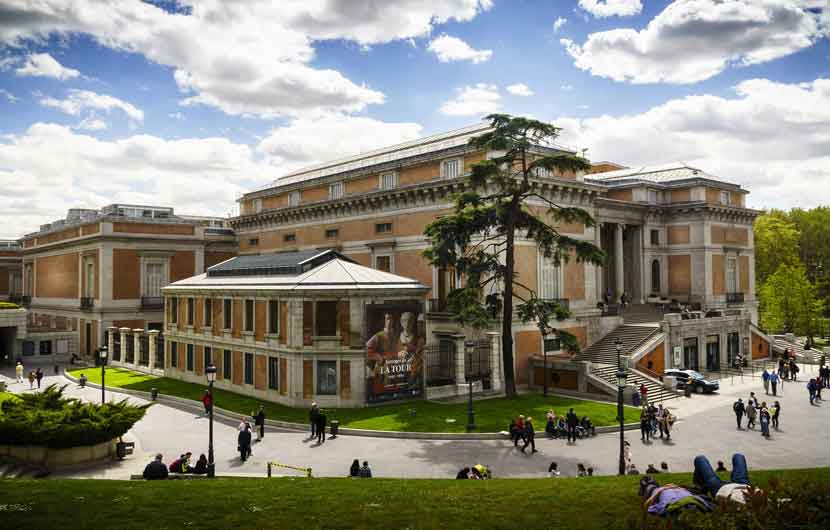
There are many things you can do in Spain absolutely for Free!
Across cities like Madrid, Barcelona, and Seville, many renowned museums have specific days or hours when they offer free admission.
The pick of museums you can visit for free include:
- El Prado in Madrid: Free Entry: Sundays 17:00-19:00.
- Reina Sofia Museum Madrid: Free Entry: Mon & Wed-Sat 19:00-21:00, Sun 13:30-14:30.
- Thyssen-Bornemisza Museum, Madrid: Free Entry: Mondays 12:00-16:00.
- Picasso Museum Barcelona: Free Entry: First Sunday of the month.
- National Museum of Romanic Art, Merida: Free Entry: Saturdays from 14:00, Sundays
- Picasso Museum Malaga: Free Entry: Sundays after 16:00
- Castell de Bellver, Palma de Mallorca: Free Entry: Sundays
- The Museum of Fine Arts, Seville: Free Entry: Tuesdays
- The Museum of Fine Arts, Valencia: Free Entry: Saturdays & Sundays
- The Famed Alcazar Palace in Seville: Free entry on Mondays from 4 pm to 5 pm.
Plus, there are plenty of activities that won't cost you a penny of your hard-earned holiday budget.
Some of the most popular free activities include:
- Walking around the outside of Gaudi´s marvels in Barcelona, including the Sagrada Familia:
- Watch a night light show from the outside of the Alhambra Palace.
- Wander around the renowned Retiro Park in Madrid.
- Enjoy one or more of the many colourful festivals and fiestas held in Spain throughout the year in every city, town and village across Spain.
- Stroll along the La Rambla boulevard in Barcelona.
- Visit the Temple of Debod in Madrid.
- Admire the stunning architecture of the City of Arts and Sciences of Valencia.
- Admire the main naïve of the incredible Santiago de Compostella Cathedral, which is open to the public daily for free.
In essence, Spain provides countless opportunities to experience its wonders, proving that some of the best things in life, indeed, are free.