

Hiking in Spain
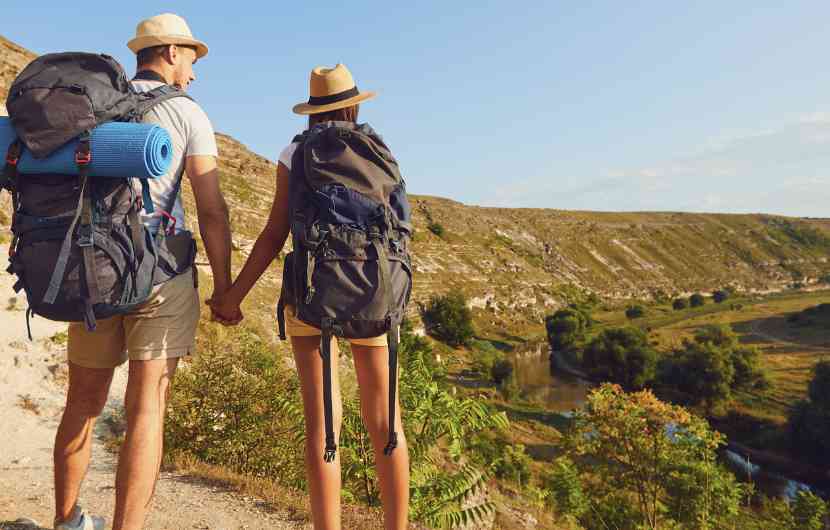
Over the years, hiking has become increasingly popular for exploring destinations, and Spain is no exception.
With its diverse landscapes, varied climates, and extensive network of well-marked trails, Spain offers fantastic hiking opportunities for all levels, from beginners to experienced walkers.
Whether you’re looking for a gentle countryside stroll or a more challenging mountain route, there is something to suit every pace and preference.
If you have done a hiking trip in the past, like the Camino de Santiago, or would like to try one, hiking in Spain should be on your bucket list.
Cruising in Spain

Cruising is an increasingly popular way to explore Spain, especially for travellers who want to see multiple destinations without constantly unpacking and repacking.
Spain’s extensive coastline and well-connected ports make it ideal for both Mediterranean and Atlantic cruises.
Many itineraries include stops in vibrant cities such as Barcelona and Valencia, as well as visits to the Balearic Islands, where you can enjoy crystal-clear waters, picturesque towns, and relaxed island life.
Cruising around Spain can be very affordable and is something you can do on your own, with your friends or as part of a romantic getaway.
City breaks in Spain
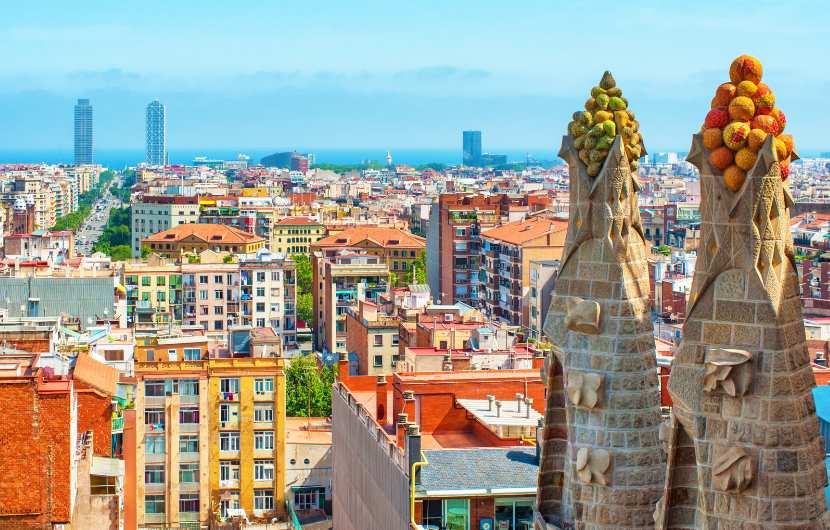
Spain’s cities are perfect for a short break, each offering its own distinct personality, culture, and pace of life. From historic streets and iconic architecture to buzzing food scenes and lively nightlife, Spanish cities deliver unforgettable experiences in just a few days.
One of the most popular places to visit is Barcelona, but you can’t forget about Madrid, Valencia, Granada and Seville - these all have their own unique selling point with many things to see and do.
Beach break in Spain

It feels very natural to go from a city break to a beach break in Spain, as beach breaks are one of the most popular ways travellers see Spain.
Spain’s beaches remain one of its biggest draws, offering everything from lively resort coastlines to quiet, unspoilt stretches of sand.
Depending on the type of beach holiday you enjoy, you can stay in Costa del Sol and the Costa Brava, which offer reliable sunshine and excellent facilities, while islands like Mallorca and Ibiza provide a balance of beautiful beaches, culture, and nightlife. Mallorca is great for families looking to go away with their little ones.
We will speak about road trips in Spain later in this article, but to briefly touch on it, you could do a beach break for a couple of nights, then travel to one of the major cities.
If you want a combination of city and beach, Barcelona feels like it ticks a lot of boxes as one minute you can be shopping along its vibrant streets or exploring historic neighbourhoods, and the next you can be relaxing on the beach, soaking up the sun - it’s also a very popular place to start your cruise.
Travel by High‑Speed Train (AVE, AVLO, OUIGO)

Exploring Spain by high‑speed train is one of the smoothest, most enjoyable ways to travel. The AVE, AVLO, and OUIGO networks connect the country’s biggest cities with fast, modern trains that make long distances feel effortless. You can leave Madrid after breakfast and be strolling through Seville, Málaga, Valencia, or Barcelona before lunch — no airport queues, no stress, just a comfortable seat and the Spanish countryside flying past your window.
The trains are clean, reliable, and surprisingly affordable, especially if you book early or choose AVLO/OUIGO, which are the low‑cost options. Stations are right in the city centre, so you step off the train and straight into the action.
Approximate One‑Way Prices for Major Routes
(Prices vary by season, demand, and how early you book)
- Madrid → Barcelona: €20–€120
- Madrid → Seville: €18–€90
- Madrid → Málaga: €20–€95
- Madrid → Valencia: €7–€60
- Madrid → Alicante: €12–€70
- Barcelona → Valencia: €10–€60
- Barcelona → Málaga/Seville (via Madrid): €40–€150
- Madrid → Córdoba: €15–€70
Cycling break in Spain
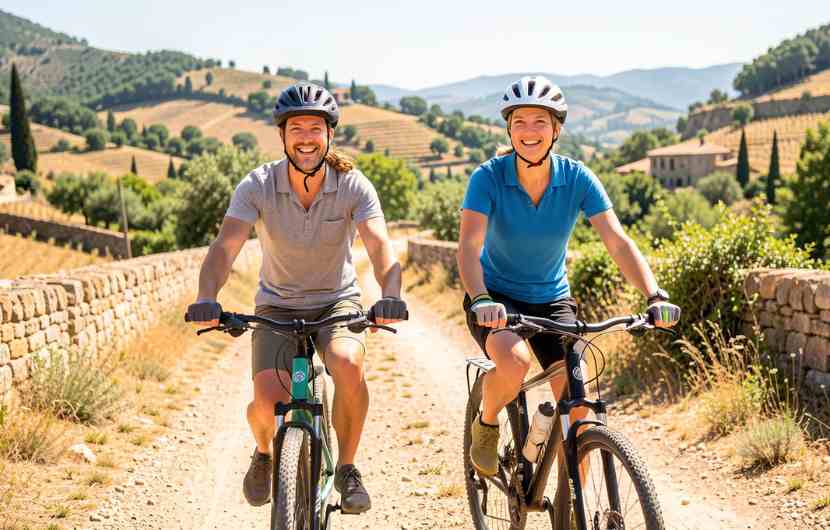
It probably doesn’t come as a surprise that Spain has many cycling holiday options.
Thanks to its varied landscapes, quiet rural roads, and favourable climate, Spain is a popular destination for both leisure cyclists and more experienced riders.
From coastal routes and rolling countryside to challenging mountain climbs, cycling allows you to explore Spain at your own pace while discovering areas that are often missed on traditional trips - you can book a cycling holiday with your family, by yourself or as part of a solo breakaway (an organised trip gives you the chance to meet other people who have similar interests).
If you have never been on a cycling trip before, it’s a great way to stay fit whilst also exploring. Plus, you can eat and drink guilt-free in the evening, since you will have burned plenty of calories cycling.
If you don’t want to do a whole cycling trip, we would always recommend hiring a bike for at least one day, as this gives you the chance to see more of a destination and get a feel for the place you are visiting.
River cruise in Spain
Above, we mentioned a cruise as an option to see Spain. A more personal variation of a cruise is a river cruise, where the boats are considerably smaller and more personable.
River cruises allow you to explore Spain at a slower pace, taking in scenery, culture, and historic towns from the water.
One of the most popular options is cruising along the Guadalquivir River, particularly through Seville, where you can admire iconic landmarks from a unique perspective.
Spain also features on longer itineraries along the Douro River, which are especially popular with food and wine lovers.
As a whole, river cruises are often more expensive than traditional ocean cruising, but many travellers feel the experience justifies the price.
Road trip in Spain
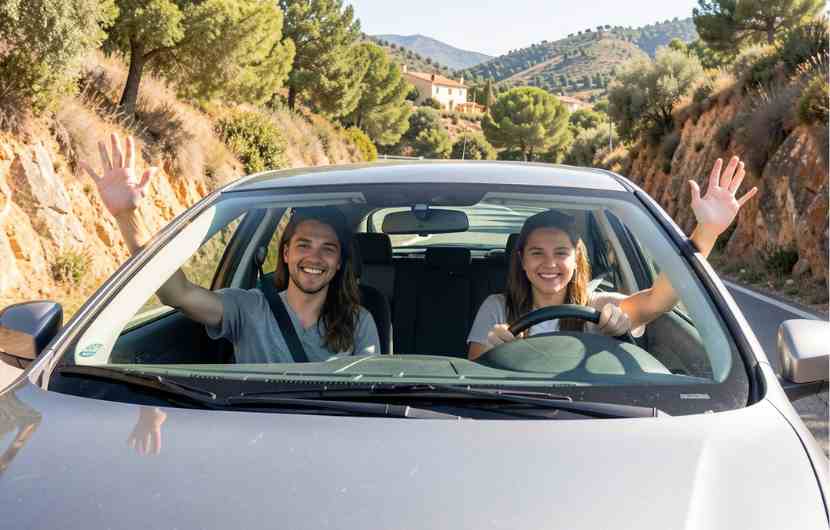
Road trips are one of our favourite ways to travel, and Spain is certainly a place for one.
When going on a road trip, you benefit from seeing multiple destinations (or countries) in one trip. One minute you could be driving along a coastal path to a seaside town, the next you can be driving in a major city - it ticks a lot of boxes.
We’ve mentioned travelling at your own pace a couple of times, and a road trip is included. Plus, you get to explore lesser-known towns and regions that are often missed when travelling by train or plane.
When it comes to road trips in Spain, there are plenty of popular routes to choose from.
The Costa Brava route is ideal for those who want to combine stunning coastal scenery with charming seaside towns, while the Castile and León route offers historic cities, countryside landscapes, and a slower pace of life.
Exploring Ibiza by car is also a great option, giving you the chance to discover quiet beaches, rural villages, and viewpoints beyond the island’s nightlife hotspots.
Through Food & Wine Experiences
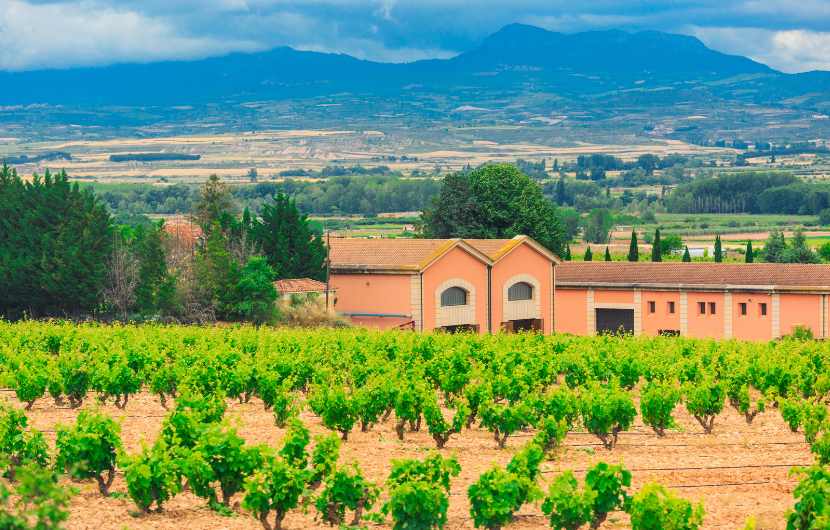
One of the most rewarding ways to explore Spain is through its food and wine.
Joining a food tour, visiting a local market, or taking a cooking class gives you a deeper connection to the places you visit — you’re not just seeing Spain, you’re tasting it.
Spain’s food scene is one of the country’s greatest joys because it’s built on simplicity, seasonality, and a deep respect for local ingredients.
You’ll find that every region takes pride in its own specialities — from the smoky paprika of Extremadura to the saffron‑rich rice dishes of Valencia and the melt‑in‑your‑mouth jamón from the mountains of Andalucía.
Markets are at the heart of Spanish life, and wandering through places like La Boqueria in Barcelona or Mercado de Triana in Seville is a feast for the senses: the colours, the aromas, the chatter of vendors who’ve been there for generations.
Even the most casual tapas bar can surprise you with dishes that feel crafted with love — a perfect tortilla, a plate of grilled prawns, or a simple slice of Manchego with local olive oil.
Eating in Spain isn’t rushed; it’s social, joyful, and woven into the rhythm of everyday life.
Joining a food tour, visiting a local market, or taking a cooking class gives you a deeper connection to the places you visit — you’re not just seeing Spain, you’re tasting it.
Spain’s Best Wine Destinations
Spain is one of the world’s great wine countries, and exploring its vineyards is an experience in itself. La Rioja is the classic choice — rolling vineyards, centuries‑old bodegas, and some of the most iconic reds in Europe. Ribera del Duero offers powerful, elegant wines and modern architectural wineries that feel like art museums. Priorat, in Catalonia, is rugged, dramatic, and known for intense, mineral‑rich reds grown on slate hillsides. For something lighter, Rías Baixas in Galicia produces crisp Albariño wines near the Atlantic coast. And in Jerez, Andalucía, you can dive into the world of sherry — from dry, salty finos to rich olorosos — in atmospheric bodegas that feel timeless. Each region offers tastings, tours, and landscapes that make wine travel in Spain unforgettable.
Through Guided Walking Tours

Guided walking tours are one of the most rewarding ways to explore Spain because they connect you directly with the stories, traditions, and personalities that shape each city.
Instead of simply passing landmarks, you get the context — the legends behind Seville’s orange trees, the hidden corners of Granada’s Albaicín, or the centuries of history woven into Madrid’s old taverns.
Local guides bring places to life with humour, passion, and the kind of insider knowledge you’d never find on your own.
These tours also help you understand neighbourhoods at street level: where locals actually eat, which plazas come alive at night, and which viewpoints are worth the climb.
Whether it’s a tapas crawl, a flamenco‑themed walk, a Civil War history tour, or a deep dive into Gaudí’s Barcelona, guided walks turn sightseeing into storytelling.
Guided Tours are social, immersive, and one of the easiest ways to feel instantly connected to Spain.
Wellness & Spa Breaks in Spain

Spain is one of Europe’s most rewarding destinations for travellers seeking rest, renewal, and a deeper connection to themselves. Beyond its beaches and historic cities lies a rich wellness culture shaped by Mediterranean living, natural landscapes, and centuries‑old healing traditions. From thermal springs in the north to thalassotherapy on the coast and luxury spa sanctuaries in Andalucía, Spain offers a restorative escape for every kind of traveller.
Wellness in Spain is rooted in simplicity: fresh food, slow mornings, sunshine, and a lifestyle that prioritises balance. Travellers can begin their journey in the south, where Andalucía’s warm climate and gentle pace create the perfect backdrop for relaxation. The region is home to some of Spain’s most celebrated wellness retreats, including Anantara Villa Padierna Palace near Marbella — a serene haven with Roman‑style thermal baths, hydrotherapy circuits, and personalised wellness programmes designed to melt away stress.
Further along the coast, the iconic Marbella Club Hotel blends luxury with holistic wellbeing. Its beachfront thalassotherapy spa, lush botanical gardens, and tailored wellness journeys make it ideal for travellers seeking a gentle reset rooted in Mediterranean traditions.
For those craving island tranquillity, Iberostar Selection Anthelia in Tenerife offers oceanfront calm, exceptional spa rituals, and a restorative atmosphere shaped by volcanic landscapes and Atlantic breezes. It’s a favourite for travellers who want five‑star comfort with a strong wellness focus.
Whether you’re drawn to yoga by the sea, thermal waters in the mountains, or a full mind‑body reset in a luxury spa, Spain’s wellness scene invites you to slow down, breathe deeply, and reconnect with what matters. It’s not just a holiday — it’s a return to yourself.
Conclusion
Have you visited Spain before, and what did you enjoy most about your visit?
What is your favourite type of breakaway, and will you be doing this type of break when in Spain?
How long are you planning to stay in Spain?
Let us know in the comment box below. We look forward to hearing from you.