


Malaga
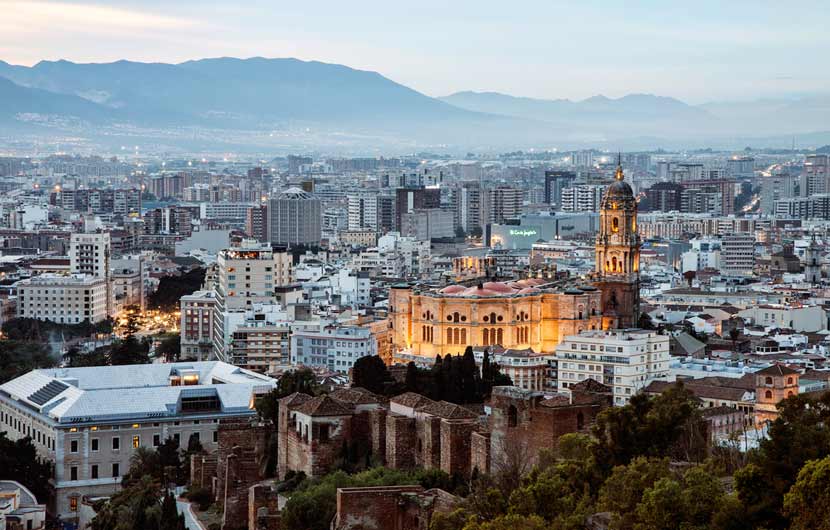
Malaga, situated on the picturesque Costa del Sol in Andalusia, Spain, is a captivating destination with a fascinating historical and cultural scene. From its rich architectural heritage to its delicious cuisine and lively nightlife, Malaga will impress you on many levels.
Malaga is a treasure trove of historical landmarks; the most iconic is the Alcazaba, an imposing fortress built in the 11th century by the Moors. Climb its ramparts and soak in panoramic views of the city and the Mediterranean Sea.
Next to the Alcazaba, you'll find the Roman Theatre, an impressive archaeological site that dates back to the 1st century BC.
There are plenty of things to do in Malaga, and beyond its historical charm, it boasts an interesting cultural scene.
Malaga is The birthplace of the renowned artist Pablo Picasso, and the city pays a fitting homage to its most famous son at the Picasso Museum. Housing an extensive collection of his works, the museum offers a fascinating glimpse into the artist's life and creative journey.
Art enthusiasts will also appreciate the Centre Pompidou Malaga, a branch of the famous Parisian museum, showcasing modern and contemporary art exhibitions.
Whether you prefer the bustling atmosphere of Playa La Malagueta, the tranquillity of Playa de Pedregalejo, or the secluded coves of El Palo, there's an urban beach to suit every taste. Enjoy the warm Mediterranean sun, take a refreshing swim, or relax with a book and soak in the coastal beauty.
Malaga's culinary scene is a delightful fusion of traditional Andalusian flavours and international influences.
Head to the Old Quarter to explore the bustling markets and sample local delicacies. Indulge in delicious seafood, savour the famous fried fish known as "pescaíto frito," and treat your taste buds to a glass of sweet Malaga wine.
Malaga's accessibility is another reason it's a favoured destination on the Costa del Sol. The city is served by a busy international airport, making it easily reachable from major European cities and beyond.
Its well-connected transportation system allows visitors to explore other charming towns along the coast or venture into the stunning Andalusian countryside.
Malaga - Capital of the Costa del Sol
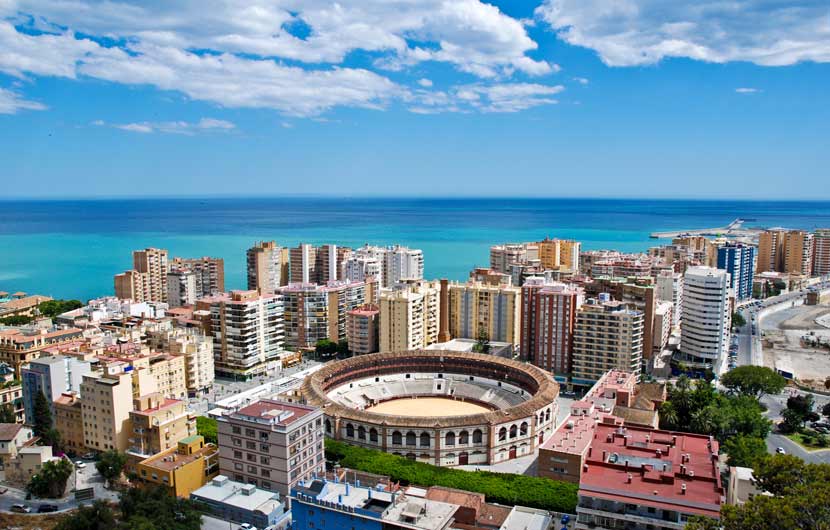
As the largest city on Andalusia's famed Costa del Sol coastline, Malaga proudly serves as the capital of this sunny stretch of Mediterranean shoreline.
With its international airport, superb transport links, vibrant culture, and endless dining and nightlife, Malaga provides the central gateway to exploring the Costa del Sol region.
Visitors flying into Malaga's Pablo Picasso Airport arrive at the heart of the action to enjoy Malaga's own wealth of sights like the Alcazaba Palace and Picasso Museum.
From the city, excellent train, bus and highway connections make it easy to continue along the coast to major resort destinations like Marbella, Nerja, Torremolinos and others.
As one of Andalusia's most dynamic cities, Malaga also offers an authentic taste of Spanish urban life beyond just beaches.
The city provides an ideal base to experience both metropolitan culture and the laidback seaside resort towns that characterise the Costa del Sol's appeal.
Malaga ultimately connects visitors to everything that makes this stretch of coastline such a prime sunshine holiday destination.

17 Interesting Facts about Malaga

- Malaga is the sixth largest city in Spain, with a population of around 550,000.
- Malaga is home to the renowned Picasso Museum, the first museum in the world dedicated to the work of Pablo Picasso.
- The city is also known for its many festivals, such as the Malaga Fair, which has occurred since 1887.
- Malaga is situated on the Costa del Sol (“Coast of the Sun”) and is one of Spain's most popular holiday destinations due to its sunny climate and beaches.
- The Phoenicians founded the city in the 8th century BC and were later ruled by the Romans, Moors, and Spanish.
- Malaga is the birthplace of the famous artist and sculptor Pablo Picasso.
- Malaga has a dialect called Malagueño, a mix of Spanish, Arabic, and other Mediterranean accents.
- Malaga is home to the oldest bullring in Spain, the Real Maestranza de Caballería, built-in 1785.
- The city is also home to the oldest theatre in Spain, the Teatro Romano, which was built in the 1st century BC.
- Malaga is the home of a top-flight football team, Malaga Club de Fútbol, or Málaga CF, founded in 1948.
- Malaga has a vibrant nightlife, with clubs and bars throughout the city.
- Malaga has a variety of cultural attractions, including the Alcazaba, a Moorish fortress built in the 11th century.
- The city is also home to a remarkable Gothic cathedral built in the 16th century.
- The city is known for its sweet dessert wines, such as the Moscatel, Pedro Ximenez, and Malaga Dulce.
- Malaga is home to the Gibralfaro Castle, a fortress built in the 14th century that offers stunning city views.
- Malaga is also home to the Malaga Botanical Garden, founded in 1855 and one of the oldest in Europe.
- Malaga is known for its traditional dishes, such as gazpacho and fried fish.
Malaga Cathedral

Malaga Cathedral is an impressive Renaissance church in the heart of the city's historic centre. Dating to the 16th century, it stands out for its ornate Baroque interior and enormous dimensions as one of the largest cathedrals in Andalusia.
The cathedral's most striking feature is its monumental main altarpiece, carved from mahogany with gilded details and 61 meters tall. Walking inside, visitors gaze up in awe at this gigantic golden altarpiece filling the apse.
Other decorative highlights include beautiful 15th-century stained glass windows and an ornate choir stall carved from different types of wood.
The treasury contains elaborate church relics and artwork, most famously a monstrance by 18th-century silversmith Damian de Castro.
Externally, the red-brick cathedral exterior mixes Gothic, Renaissance and Baroque elements. The tall bell tower stands 94 meters over the city centre, offering stunning views from the top.
Construction on Malaga Cathedral began in 1528 to replace an older mosque, though it was only fully completed in the late 18th century, giving its unique diversity of styles.
Pablo Picasso Museum

The Pablo Picasso Museum (Museo Picasso Malaga) in Malaga honours the artistic legacy of the city's most famous native son, pioneering cubist painter Pablo Picasso.
It is located at Calle San Agustín 8 in the heart of Malaga's historic centre.
The museum occupies the 16th-century Buenavista Palace, beautifully renovated to showcase over 200 Picasso artworks spanning the artist's lifetime career, from his teenage realism sketches to iconic cubist paintings like Man with Pipe.
The collection provides a complete overview of Picasso's artistic periods and life.
Highlights include Family of Saltimbanques, which depicts circus performers, the cubist Man Reading Newspaper, and poignant works like Blind Man's Meal, which reflect Picasso's sadness near the end of his life.
The museum hosts excellent temporary exhibitions about Picasso's life and times in Malaga.
This world-class museum perfectly introduces Picasso's monumental impact on modern art while celebrating Malaga's cultural pride as his birthplace. It's an essential stop to understand this complex creative genius.
The Picasso Museum is open Tuesday through Sunday from 10 am-8 pm, with extended hours until 10 pm on Thursdays. It's closed on Mondays. General admission is €10, with reduced prices for students, seniors, and children. Audio guides are available.
Malaga Alcazaba
The Alcazaba is an imposing Moorish fortress palace located on a hilltop in the centre of Malaga. Dating back to the 11th century, it is one of the oldest and best-preserved Alcazaba complexes in Spain today.
This grand palace fortification was built by the Hammudid dynasty, rulers of the Taifa of Malaga. Its strategic position provided sweeping views to monitor the port and city below. The Alcazaba's sturdy perimeter walls and multiple defence towers gave added protection.
Visitors can explore the ruins of the grand residential palace within the walls, with remnants of fountains, baths, courtyards and ornate arches suggesting its former grandeur. The ruins of a 14th-century Christian castle and church stand atop the Alcazaba, built during the Reconquista.
From the highest tower, vistas of Malaga, the port and the bullring extend in every direction. The gardens within the Alcazaba, called the Jardines de Puerta Oscura, provide a green oasis with fragrant vegetation, walkways, and tranquil fountains amid the architectural ruins.
This monumental complex has undergone extensive restoration since the 1950s to become one of Malaga's most popular tourist sites for its family-friendly gardens and history.
The Alcazaba is open Tuesday - Sunday from 9:30 am to 8 pm (closed on Mondays). Visiting early in the day is recommended to avoid the largest crowds. The ticket office closes at 7:30 pm.
General admission is €6.50, with discounted prices available for students, seniors, and children.
Combo tickets with the Roman Theater and Gibralfaro Castle next door are also offered. Guided tours in English and Spanish are available for larger groups with reservations.
Malaga Port

Malaga's historic port has significantly transformed in recent years by adding a new cruise ship terminal and commercial complex.
Where maritime trade and fishing vessels once dominated, today, locals and tourists enjoy the modernised port's dining, shopping, and leisure options.
The Muelle Uno port complex opened in 2011 on newly reclaimed land east of Malaga's historic port basin. The striking futuristic architecture provides a new cruise ship terminal and marina catering to luxury liners.
Visitors can shop at its fashion boutiques, dine along the waterfront promenade, or take harbour boat tours.
West of here, Malaga's traditional port retains its authentic atmosphere focused on fish markets and fishing boats unloading the day's catch.
Historic maritime buildings house restaurants and shops frequented by locals. Nearby, the historic Malaga lighthouse guides ships entering the port.
Connecting old and new, Palmeral de las Sorpresas is a palm tree park with fountains and gardens for strolling between the historic and commercial ports.
With this expansion, Malaga's port offers the perfect blend of maritime tradition, contemporary design, and stylish new spaces to experience the city's close ties with the sea.
Malaga Roof Top Bars

With its pleasant Mediterranean climate and stunning coastal views, Malaga offers an array of rooftop bars that provide the perfect setting to unwind and savour the city's beauty.
Here's a selection of some of the best rooftop bars:
- AC Hotel Malaga Palacio: Perched atop the AC Marriott Hotel, the rooftop bar offers breathtaking panoramic views of Malaga's historic centre, the Alcazaba fortress, and the shimmering Mediterranean. It's an ideal spot to enjoy cocktails and tapas while watching the sunset.
- You Hotel Malaga: Only YOU Hotel Malaga's top floor, Lolita Skyview Pool & Lounge, offers a chic rooftop with an infinity pool, a cocktail bar, and stunning views of Malaga. Daytime is exclusive for guests, and evenings welcome all to enjoy cocktails, a chill-out vibe, and global poolside dishes.
- Terraza de la Alcazaba: Nestled in the Hotel Alcazaba Premium, an amazing rooftop bar provides unobstructed views of the Alcazaba fortress and the Roman Theatre. It's an intimate and charming setting to savour various cocktails and Mediterranean cuisine.
- Molino Lario: The Top rooftop bar at the Hotel Molina Lario offers cosmopolitan vibes with mountain, cathedral, and Mediterranean views. Enjoy refreshing cocktails, tapas, and late-night parties. Guests at the hotel can also use the rooftop pool.
- Parador de Malaga Gibralfaro: Perched on the Gibralfaro hill, this terrace offers postcard-worthy views of Malaga, including the port and the Mediterranean Sea. The Malaga Parador is ideal for a romantic dinner or cocktails with a view.
- Salles Hotel Malaga Centro: A trendy rooftop, Aurea Rooftop, features a beautiful pool and live music. Stylish decor and stunning views of the Cathedral, Alcazaba, port, and Gibralfaro castle. Daytime offers snacks and drinks, while nights bring tapas, cocktails, and entertainment.
Each rooftop bar in Malaga provides a unique atmosphere and stunning vistas, making them perfect places to relax, socialise, and take in the city's charm.
Malaga Markets & Shopping

Malaga offers great indoor markets and diverse shopping districts where you can browse for food, fashion, and local goods.
The Atarazanas Central Market near the port is one of the most popular markets. This 19th-century iron building houses over 150 vendors selling fresh fish, meat, cheeses, and colourful fruit displays. Have your food purchases cooked to order at vendors’ counter restaurants.
The small La Merced Market offers another authentic local market experience on Calle Strachan. Pick up fresh produce, Spanish hams, regional wines, and artisan products under its brick arches.
Malaga’s main shopping streets are Calle Marques de Larios and Calle Granada - here, you’ll find everything from major Spanish brands like Mango to small boutiques.
Visit Calle San Juan for exclusive designer fashions. Don’t miss the charming shops in Malaga’s Soho Art district around Calle Carretería. Stop for a break in the many cafes dotted around the shopping zones.
Malaga Holy Week

Malaga's Holy Week (Semana Santa) celebrations are among Spain's most renowned festivals, drawing visitors worldwide.
For one week each April, the city is transformed by elaborate processions of Catholic brotherhoods bearing dramatic floats, penitents in robes, and life-like pasos depicting biblical scenes.
The extravagant pasos are the centrepiece of Malaga’s Holy Week pageantry. Weighing up to five tons and carried by a hundred or more bearers, these floats display carved religious sculptures and lavish wood and gold leaf decorations. Most date back centuries and are passed down through generations in Malaga’s brotherhoods.
Thousands of Nazarenos cloaked in robes and tall, pointed caproate hoods solemnly escort the pass through the streets by candlelight in an atmosphere of reverent mystery.
The processions follow routes winding through Malaga’s historic centre each evening from Palm Sunday to Easter Sunday.
Holy Week coincides with the arrival of spring, adding to the celebratory mood as orange trees bloom and temperatures rise.
The Feria de Malaga ( August Fair )

The Malaga Fair, known as the Feria de Malaga, is a vast city festival spanning a week each August with parades, flamenco, bullfights, fireworks, contests and endless fun. Locals dress up in traditional Andalusian costumes to enjoy the festive atmosphere.
The focal point is the Fairgrounds complex next to the city bullring. Hundreds of casetas (tents) represent various city groups and organizations hosting live music and dancing day and night.
Casetas compete over who can decorate the grandest Feria atmosphere with elaborate lighting and Regency-era furnishings.
Flamenco dancers and singers perform in the fairground streets and casetas.
Parades kick off the celebration as costumed giants and big heads representing satirical or cultural themes are borne through the streets. A significant horse carriage fair shows off locals’ prized teams and carriages.
Magnificent fireworks light up Malaga's skies to end each night.
The Malaga Fair provides a week of pure Andalusian festive spirit, bringing out traditional culture, cuisine, and community solidarity at its liveliest.
Calle Larios

Calle Larios is Malaga's most famous pedestrian street, which runs through the heart of the historic city centre. This elegant street is the central axis of Malaga's shopping district and social scene.
Calle Larios features sophisticated architecture with decorative facades overlooking the car-free street. Historic 19th-century buildings mingle with high-street fashion retailers like Zara and newer structures in an eclectic mix.
By day, locals and tourists flock here to browse the boutiques, major Spanish department stores, and shopping centres that branch off Calle Larios. Classy cafes provide prime people-watching spots to take a break.
At night, Calle Larios transforms into a lively social hub. From mime artists to musicians, street performers entertain the crowds strolling beneath the glittering lights. Terraces are filled with locals enjoying drinks, tapas, and a lively ambience.
Malaga Gastronomy

Malaga is famed for its delightful gastronomic offerings. The city's cuisine combines fish, seafood, cured meats, gazpacho soup and delicious tapas.
There are endless opportunities to enjoy great food in Malaga; some of the most emblematic dishes will leave a good taste in your mouth.
Fish plays a significant part in the coastal city’s gastronomic culture. However, if something is characteristic of Malaga, that’s surely eating grilled sardines at a beachside restaurant on any of the province’s beaches. Around six sardines skewered on a stake are grilled and eaten like a brochette.
Porra Antequerana is Malaga's cold soup dish. It is made with olive oil, vinegar, tomatoes, green peppers, bread, garlic, and salt. It is accompanied by boiled eggs and cured serrano ham. It looks like a gazpacho or salmorejo but thicker.
Ajoblanco is a cold soup highly recommended to withstand the scorching Malaga summers. Its recipe is based on ground almonds, bread, garlic and olive oil, and it is served with muscatel grapes.
Malaga fried fish platter is a mix of fried fish in which the main ingredients are sardines, red mullet, cuttlefish, anchovies, small squids, horse mackerel, cusk-eel, prawns and dogfish.
Aubergines with cane syrup is another typical dish of Malaga’s cuisine. It is made with eggplant cooked with cane syrup.
Getting Around Malaga Spain
To cope with the increasing number of foreign tourists visiting the Costa del Sol each year major improvement works have been carried out at Malaga airport to accommodate the increased number of flights to Malaga including a new terminal building.
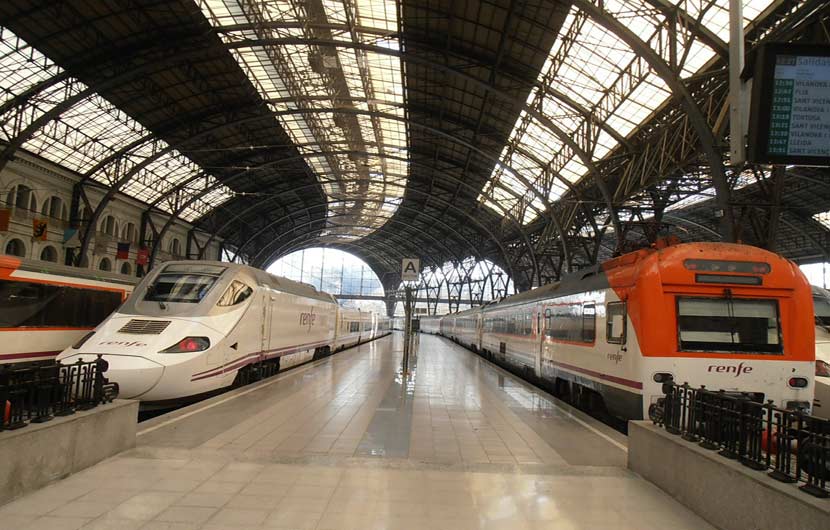
There is also a convenient train service that stops at the airports and runs from Malaga to Fuengirola every 20 minutes during the day. There are no direct train services to the coastal resorts past Fuengirola.
There are inter-city lines that run to all the major destinations around Spain as well as a regular high-speed Ave train service that runs from Malaga to Sevilla, Cordoba, Barcelona and Madrid which is great if you're looking to visit other cities during your stay on the Costa del Sol.
The main coastal highway ( N340 ) offers easy access to the airport and all destinations from Malaga, this is a toll-free road.
For a faster option of getting around the Costa del Sol use the AP7 toll motorway, it may cost you a few Euros but it's well worth it if you're in a hurry as there is very little traffic and it will cut your drive times down considerably.
There are regular bus services that cover Malaga City with routes to Torremolinos, Fuengirola, Benalmadena, Mijas and Marbella.
Recommended Hotels in Malaga
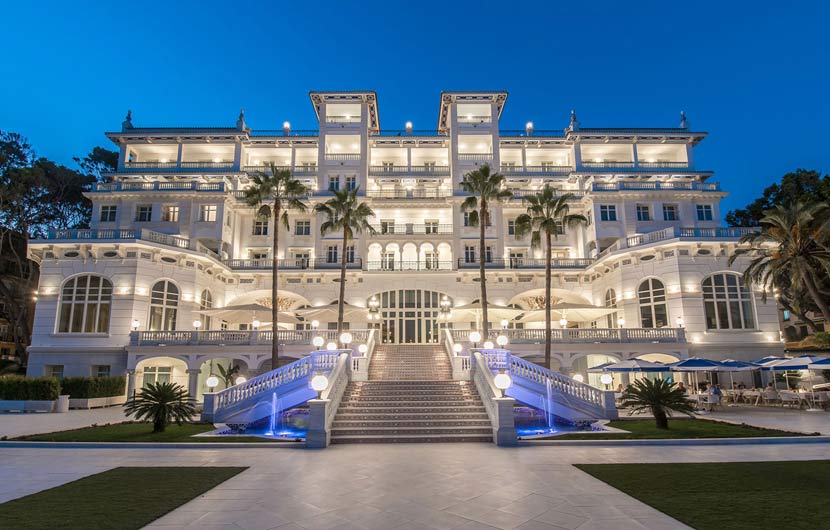
Malaga, Spain, offers a wide range of accommodations, from luxury beachfront resorts to budget-friendly hotels in the historic centre.
The 5-star Gran Hotel Miramar overlooking Malagueta Beach provides lavish rooms just steps from the water for high-end stays. The 5-star Vincci Seleccion Posada del Patio is a stunning hotel just a 10-minute walk from the Picasso Museum, Malaga Cathedral and Calle Larios.
The AC Hotel Malaga Palacio exudes modern elegance and sleek design in a prime location near the Cathedral and the port.
The contemporary Barcelo Malaga is conveniently connected to the AVE high-speed train station. Boutique Hotel Molina Lario offers chic rooms in a 19th-century townhouse.