



ETIAS: The New Travel Authorisation System
Expected to be launched in late 2026, the European Travel Information and Authorisation System (ETIAS) will become effective.
This is a pre-travel authorisation system similar to the USA’s ESTA or Canada’s eTA. It applies to all visa-exempt travellers entering the Schengen Area, including Spain.
What is ETIAS?
ETIAS is designed to increase security by pre-screening travellers before they arrive in the Schengen Zone. It’s quick, easy, and entirely online.
Who Needs ETIAS?
- UK and USA citizens: Since both countries are visa-exempt, you’ll need ETIAS to enter Spain.
- Other non-EU nationals: If your country is on the visa-exempt list, ETIAS is mandatory.
How to Apply
The application process is pretty straightforward:
- Fill out the online form (takes about 10 minutes).
- Pay the €7 fee (free for travellers under 18 or over 70).
- Receive your approval via email (usually within minutes, but apply at least a few days before your trip).
What You’ll Need
- A valid passport (must be valid for at least 3 months beyond your intended stay).
- A debit or credit card to pay the fee.
- An email address to receive your ETIAS confirmation.
ETIAS is valid for three years or until your passport expires, whichever comes first. You are allowed multiple entries during the three year period for stays of up to 90 days within a 180-day period.
Entry/Exit System (EES): Streamlining Border Control
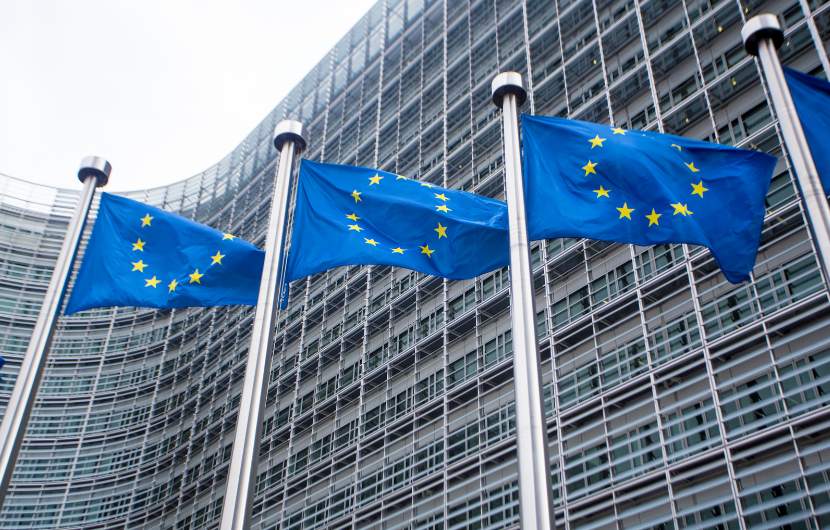
Also launching in October 2025, the Entry/Exit System (EES) is an automated system that will replace manual passport stamping for non-EU travellers.
What is EES?
EES is designed to track the entry and exit of non-EU nationals in the Schengen Area. It will record:
- Your personal information (name, date of birth, nationality).
- Your travel document details (passport number, type, and country of issuance).
- Your biometric data (fingerprints and facial images for travellers aged 12 and above).
- Your entry and exit dates.
How Will EES Work?
When you arrive at a Spanish border (e.g., an airport in Madrid or Barcelona), you’ll:
- Scan your passport at an automated kiosk or with a border officer.
- Provide your biometric data (if it’s your first time using EES).
- Receive an electronic entry record.
When you leave Spain, the system will automatically record your exit. If you overstay your 90-day limit, EES will flag this, which could affect future trips to the Schengen Area.
What Does This Mean for You?
- No more passport stamps: Your entry and exit will be recorded electronically.
- Faster border checks: The process is designed to be quicker and more efficient.
- Enhanced security: EES helps prevent illegal immigration and overstays.
Visa Requirements
If you’re a non-EU citizen who does not qualify for visa-free travel, you’ll need to apply for a Schengen visa to enter Spain. This applies to stays of up to 90 days within a 180-day period.
How to Apply for a Schengen Visa
- Check if you need a visa: Visit the official Spanish government website or your nearest Spanish consulate.
- Prepare your documents: This typically includes your passport, proof of accommodation, travel insurance, and financial means.
- Submit your application: Apply at your nearest Spanish consulate or visa application centre.
- Wait for approval: Processing times vary, so apply well in advance of your trip.
- COVID-19 and Health Requirements
As of 2025, Spain has lifted most COVID-19 restrictions for travellers. However, it’s always a good idea to check the latest requirements before your trip, as rules can change.
What You’ll Need
- Proof of vaccination or recovery: While not currently mandatory, it’s wise to carry your vaccination certificate or recovery certificate, just in case.
- Travel insurance: Ensure your policy covers medical expenses, including COVID-19-related costs.
Customs and Duty-Free Allowances

When entering Spain, you’ll need to comply with EU customs regulations. Here’s a quick overview:
Duty-Free Allowances
- Tobacco: 200 cigarettes, 100 cigarillos, 50 cigars, or 250g of tobacco.
- Alcohol: 1 litre of spirits (over 22% alcohol) or 2 litres of fortified wine (under 22% alcohol).
- Other goods: Up to €430 worth of goods per person (€150 for travellers under 15).
Prohibited Items
- Illegal drugs: Strictly prohibited.
- Endangered species: Products made from protected animals or plants (e.g., ivory, tortoiseshell).
Tips for a Smooth Journey
Here are a few tips I’ve picked up over the years to make your trip to Spain as seamless as possible:
Before You Go
- Check your passport: Ensure it’s valid for at least 3 months beyond your intended stay.
- Apply for ETIAS early: Don’t leave it until the last minute.
- Pack smart: Spain has diverse climates, so pack for the region and season you visit.
At the Border
- Have your documents ready: Keep your passport, ETIAS confirmation, and any other required documents easily accessible.
- Be patient: While EES aims to speed up border checks, some delays may occur as travellers and staff adjust to the new system.
During Your Stay
- Respect local customs: Spaniards are warm and welcoming, but it’s always good to be mindful of cultural norms (e.g., meal times, greetings).
- Learn a few phrases: Even basic Spanish can go a long way in connecting with locals.
Final Thoughts
While introducing ETIAS and EES may seem like an extra step, they’re designed to make your journey smoother and safer.
So, whether you’re sipping sangria in Seville, exploring Gaudí’s masterpieces in Barcelona, or soaking up the sun on the Costa del Sol, Spain will welcome you with open arms.
Just make sure you’re prepared, and you’ll be set for an unforgettable stay.