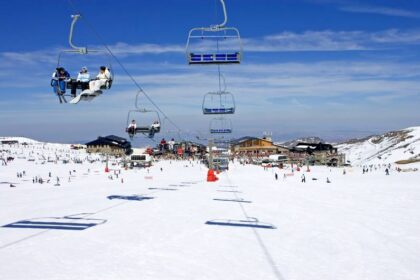


Our ultimate travel guide and holiday planner offers bucketloads of useful tips and information to help you plan your next travelling to Spain adventure.
Visiting Spain is always an exciting endeavour, so whether you're travelling as a couple, a solo adventurer, or looking to enjoy a fun family trip away, knowing what to expect and careful planning will ensure a hassle-free and memorable holiday experience.
What you will find in our comprehensive guide for travelling to Spain:
- Choosing Your Perfect Destination
- The Best Time to Visit
- Planning Your Itinerary
- Budget and Money Matters
- Choose the Right Accommodation
- Transportation
- Learn Basic Spanish Phrases
- Embracing the Local Cuisine
- Cultural Etiquette and Customs
- Pack Smart
- Explore Beyond the Tourist Hotspots
- Staying Safe and Secure
- Current Entry Requirements
- ETIAS Vias Waiver
- Useful Phone Numbers
- Resource Links
1. Choosing The Perfect Destination

When thinking about travelling to Spain, why not begin by researching its diverse regions to help you choose the best destination for your needs?
From the vibrant streets of Barcelona and Madrid and the many historic sites to the stunning beaches of the Balearic Islands, each destination has a lot to offer travellers to Spain.
When selecting the perfect spots to visit, consider all your preferences, such as your holiday budget and the interests of your travel companions.
a) Cultural and Historical Significance:
Spain is steeped in rich history and boasts many cultural treasures.
If you're a history enthusiast or simply wandering around interesting historical sites, then destinations like the Sagrada Familia Barcelona, The Alhambra Palace Granada, and the famed Seville Cathedral will captivate you. Spain is full of iconic landmarks, ancient ruins, architectural marvels, and excellent Spanish museums just waiting to be explored.
b) Beaches and Coastal Beauty:
Spain is renowned for its stunning coastline, offering breathtaking beaches for sun-seekers and water sports enthusiasts.
Explore the best beaches in Spain in stunning locations, including Menorca, Mallorca, Ibiza, Formentera, the Costa del Sol, Costa Brava, Galicia, Asturias, and the Costa Blanca.
c) Natural Wonders:
If you're drawn to nature's wonders, consider destinations like the Canary Islands with their volcanic landscapes, the Pyrenees Mountains' rugged beauty, or the Galicia lush greenery.
These dynamic regions offer many nature-based opportunities, such as wildlife spotting, rock climbing, and historic walking trails like the Camino de Santiago.
d) Food and Wine Experiences:
Spaniards take great pride in their culinary traditions, and for good reason.
If you're a food lover, regions like the Basque Country, Catalonia, and Andalucia are renowned for their diverse gastronomy and Michelin-starred restaurants in Spain.
Why not embark on a culinary journey through Spain's gastronomy, sampling tapas, fresh seafood, paella, and regional specialities as you travel?
e) Festivals and Cultural Events:
Spain is famous for its colourful festivals, fiestas, ferias, carnivals and other cultural celebrations.
Thousands of local Spanish fiestas are held throughout the year in every village, town, and city in Spain.
You may wish to consider planning your trip around some of the most iconic events, such as La Tomatina in Valencia, the Fallas of Valencia, the Malaga Fair, the Running of the Bulls in Pamplona, or the flamboyant Feria de Abril in Seville.
It is easy to immerse yourself in the lively atmosphere and experience Spanish traditions first-hand.
f) Family-Friendly Destinations:
If you are planning a family holiday with children, plenty of destinations exist.
Barcelona, Malaga, Valencia, the Balearic Islands, and the Canary Islands offer a range of family-friendly attractions, theme parks, water sports, and other outdoor activities.
When choosing a child-friendly destination, remember to consider factors like weather, accessibility, planned activities, and the duration of your trip.
Plan your itinerary wisely to make the most of your time and create fantastic family holiday memories that will last a lifetime.
2. The Best Time To Visit

When choosing your travel dates, consider the weather, peak tourist seasons, regional current events, public holidays, local fiestas, and school breaks.
Despite having a Mediterranean climate, each region of Spain has its distinct weather patterns.
Travelling to northern Spain in December offers different holiday options than a trip to Tenerife in Spring. Each destination is completely different in many ways.
Spring and autumn in Spain can be ideal times to visit Spain, depending on where you wish to visit. The weather can still be warm with fewer tourists, plus you are more likely to find those all-important holiday deals.
Here are some factors to help you determine the ideal time to visit:
a) Weather:
The weather in Spain is wide and varied across different regions.
The summer months (June to August) are popular for beach holidays, with warm temperatures and abundant sunshine along the coast.
However, coastal areas can get crowded during this time. Spring (April to May) and autumn (September to October) offer pleasant weather with milder temperatures, making it ideal for exploring cities, hiking, and outdoor activities.
Winter (November to February) brings cooler temperatures, but it is still pleasant enough to enjoy city sightseeing and visiting cultural sites.
b) Peak and Off-Peak Seasons:
Peak tourist season in Spain coincides with summer, school holidays, and major festivals.
If you prefer to avoid crowds and high prices, consider visiting during the off-season (spring and autumn).
These periods offer a balance of favourable weather and fewer tourists, allowing you to enjoy popular attractions without the crowds.
c) Regional Considerations:
Remember that the weather can vary significantly across different regions of Spain.
For instance, the southern coastal areas, such as Andalucia, boast a mild climate throughout the year, while the central plateau, including Madrid, experiences hot summers and cold winters.
The northern regions, such as Galicia and the stunning area around the Basque Country, have a more moderate and rainy climate.
d) Special Events and Festivals:
Spain hosts a whole range of cultural events and festivals throughout the year.
If you wish to experience the vibrant atmosphere of festivities like Semana Santa (Holy Week), Las Fallas in Valencia, or La Feria de Malaga, plan your visit accordingly.
Check out our monthly festival guide to help you choose the best festivals to visit. These spectacular and lively events offer a perfect opportunity to immerse yourself in Spanish traditions.
e) Budget Considerations:
Depending on the season, costs for travel, accommodation, excursions, and admission to the most famous tourist destinations might change.
Travelling off-peak may frequently result in cheaper prices and discounts, allowing you to get the most from your holiday budget.
Check out our complete guide on the top tips for finding cheap hotels in Spain.
Some destinations may also vary during festivals or special events, so best to check your proposed travel dates will not be adversely affected by local events.
3. Plan Your Itinerary

Creating an itinerary that strikes a perfect balance between relaxation and exploration is highly recommended.
Include visits to iconic landmarks such as the Alhambra in Granada, the Sagrada Familia in Barcelona, the City of Arts & Sciences in Valencia, or the Prado Museum in Madrid. However, it is equally important to allow some time for spontaneous discoveries.
Designing a well-structured itinerary will help you optimise your time and immerse yourself in Spain's best experiences.
By incorporating both must-see attractions and off-the-cuff adventures, you can create a truly memorable holiday in this remarkable country.
When planning your holiday to Spain, consider the following:
a) Research Destinations:
Start by researching the different regions and cities in Spain.
Consider your interests and preferences, whether you're interested in historical sites, beach destinations, culinary experiences, or cultural and outdoor adventures.
Make a list of must-visit places and prioritise them based on your preferences and available time.
b) Determine the Duration of Your Trip:
Decide how long you will be staying in Spain. This will influence the number of destinations you can include in your itinerary.
Remember that Spain offers many attractions and activities, so it's better to explore a few places in depth rather than trying to cover too much ground.
c) Consider Travel Seasons:
Spain has various travel seasons, and each offers its benefits.
Beach holidays are very popular in the summer but can get hot and crowded.
A great time to visit cities or engage in outdoor activities is in the spring and autumn when the weather is mild and warm and fewer people are around.
Skiing in the Pyrenees or travelling to Tenerife and the southern regions of Spain, with its milder weather, are both ideal winter activities.
When selecting the travel season, consider the weather, regional celebrations, and your tastes.
d) Check Travel Distances:
Spain is a large country, and the distances between cities and regions can be significant. When planning your itinerary, consider the time it takes to travel between destinations.
Use reliable transportation options like high-speed AVA trains or domestic flights to save time and cover long distances efficiently.
e) Balance City and Nature Experiences:
Spain offers a perfect blend of vibrant cities and breathtaking natural landscapes. Try to strike a balance between urban exploration and connecting with nature.
Visit iconic cities like Madrid, Barcelona, and Sevilla, but also allocate time for exploring national parks, coastal regions, and rural areas.
f) Seek Local Advice:
To enhance your itinerary, seek advice from locals, travel forums, or online communities.
Locals can provide valuable insights into lesser-known attractions, off-the-beaten-path destinations, and authentic experiences that may not be featured in popular guidebooks.
g) Prioritise relaxation:
Don't pack your itinerary too tightly; allow for downtime and relaxation.
Enjoy leisurely meals, soak up the atmosphere at local cafes, and take breaks to appreciate the beauty of your surroundings.
Including relaxation time in your itinerary ensures a more enjoyable and rejuvenating travel experience.
Remember, your itinerary doesn’t have to be rigid. Be flexible to new experiences and make changes as you go during your holiday.
4. Budget and Money Matters

Set a realistic budget and consider accommodations, transportation, meals, activities, and impulse buys.
Spain offers a range of options, from budget-friendly hostels to luxury resorts. Plan your expenses accordingly and monitor exchange rates.
When planning a holiday to Spain, it's essential to consider your budget and manage your money wisely.
Here are some tips to help you make the most of your funds:
a) Research Currency Exchange:
Familiarise yourself with exchange rates between your home currency and the Euro, which is used in Spain.
Look for reliable currency exchange services or banks that offer competitive rates. Avoid exchanging money at airports or touristy areas, as they often have higher fees and less favourable rates.
b) Set a Realistic Budget:
Work on a realistic budget depending on the type of overall holiday you wish to enjoy.
Try to think of all the options that can vary your budget, including transport options, type of accommodation, dining in or out, guided tours, souvenir shopping, and unexpected extras.
c) Track Your Expenses:
Keep track of your daily expenses to ensure you stay within your budget.
Use a spreadsheet or budgeting app, or jot down your expenses in a notebook. This way, you can monitor your spending and make adjustments if necessary.
d) Take Advantage of Free and Low-Cost Activities:
There are many free things to do in Spain and many low-cost activities that allow you to explore and experience the country without breaking the bank.
Visit public parks, enjoy free walking tours, explore local markets, and enjoy discounted museum days.
Look for local festivals and events, often providing a glimpse into Spanish culture and entertainment at little to no cost.
e) Use Public Transportation:
Consider using public transportation rather than taxis or car rentals whenever possible.
Spain boasts a well-developed system of buses, trains, and metros that are cost-effective and efficient.
Top transport money savers include It is advisable to travel cards or passes that provide unlimited travel during a specific period.
This could help you save considerable transport costs while offering convenience and flexibility during your holiday.
f) Eat Like a Local:
Instead of dining at expensive tourist-oriented restaurants, seek out local eateries and tapas bars to savour authentic Spanish cuisine at more affordable prices.
Explore local markets and grocery stores to buy fresh produce, snacks, and drinks for picnics or self-prepared meals.
g) Look for Deals and Discounts:
Research discounts, special offers, or tourist cards that provide savings on attractions, transportation, and dining.
Many cities offer city passes or tourist cards, including free or discounted entry to major attractions and public transportation.
h) Be Cautious with Credit Cards:
While credit cards are widely accepted in Spain, it's essential to be cautious and avoid unnecessary fees.
Notify your bank about your travel plans to prevent your card from being blocked if you use it outside your country of origin.
5. Choose The Right Accommodation

Selecting the right accommodation when travelling to Spain is crucial to your holiday experience.
Consider the following factors when choosing where to stay:
a) Location:
Determine the ideal location based on your preferences and itinerary.
Choose accommodations near the coast if you're looking for a beach getaway. Choose a central location close to major attractions and public transportation for city exploration. If you prefer a countryside retreat, consider staying in rural areas or charming villages.
b) Type of Accommodation:
Spain offers a vast range of accommodation options to suit every budget preference.
The choice is immense, from luxury hotels to boutique guesthouses, cheap hotels, villa rentals, hostels, eco-friendly accommodations, caves, campsites, and everything in between.
Consider the amenities, services, and facilities that matter most to you, such as swimming pools, spas and fitness centres, sports activities, golf courses, on-site restaurants, or self-catering facilities.
c) Reviews and Ratings:
Before booking, it's always a great idea to read reviews from previous guests to get insights into the quality and service of the accommodation.
Websites like TripAdvisor, Reviews.com and Google Maps provide valuable feedback from real travellers. Look for accommodations with positive reviews, high ratings, and responsive management.
d) Budget:
Set a budget for your accommodation and search for options within that range. Spain offers a variety of affordable accommodations, especially in smaller towns and cities.
If you're travelling on a tight budget, consider staying in hostels, guesthouses or campsites, which often provide shared facilities and a social atmosphere.
Holiday rentals can be a cost-effective choice for families or larger groups, offering more space and the ability to prepare meals and share other costs involved in self-catering getaways.
e) Amenities and Services:
Consider the amenities and services that are important to you. This may include free Wi-Fi,
breakfast, parking, airport transfers, coffee and tea-making facilities, free water or a 24-hour front desk.
If you're travelling with children, look for accommodations that offer family-friendly amenities like play areas, onsite games, kids entertainers or babysitting services.
f) Local Experience:
Consider staying in accommodations that reflect the local culture and architecture.
Spain offers unique options such as Parador Hotels, which are historic buildings such as convents and palaces that have been converted into hotels, or rural houses where you can experience traditional country living in unique destinations.
These types of accommodations can provide a more authentic and memorable experience.
g) Booking in Advance:
During peak seasons or for popular destinations, it's advisable to book your accommodation in advance to secure the best options and prices.
However, if you're flexible with your travel dates and willing to take a chance, you can find last- minute holiday deals or negotiate prices upon arrival, especially in low-demand periods such as winter, early spring and late autumn.
If you're travelling on a tight budget, consider staying in hostels, guesthouses or campsites, which often provide shared facilities and a social atmosphere.
Holiday rentals can be a cost-effective choice for families or larger groups, offering more space and the ability to prepare meals and share other costs involved in self-catering getaways.
e) Amenities and Services:
Consider the amenities and services that are important to you. This may include free Wi-Fi, breakfast, parking, airport transfers, coffee and tea-making facilities, free water or a 24-hour front desk.
If you're travelling with children, look for accommodations that offer family-friendly amenities like play areas, onsite games, kids entertainers or babysitting services.
f) Local Experience:
Consider staying in accommodations that reflect the local culture and architecture.
Spain offers unique options such as Parador Hotels, which are historic buildings such as convents and palaces that have been converted into hotels, or rural houses where you can experience traditional country living in unique destinations.
These types of accommodations can provide a more authentic and memorable experience.
g) Booking in Advance:
During peak seasons or for popular destinations, it's advisable to book your accommodation in advance to secure the best options and prices.
However, if you're flexible with your travel dates and willing to take a chance, you can find last-minute holiday deals or negotiate prices upon arrival, especially in low-demand periods such as winter, early spring and late autumn.
6. Transportation

Decide on the most convenient mode of transportation for your trip.
Spain has a well-connected transportation network, including trains, buses, and domestic flights. Renting a car can be a great option for exploring rural areas and remote beaches.
Getting around Spain efficiently and comfortably is crucial for a successful holiday.
Here are some of our top transportation tips to consider:
a) Flights:
If you're travelling from a distant location, flying into Spain is likely the most convenient option.
Look for the best flight deals by comparing prices from various airlines and booking well in advance. Consider nearby airports as well, as they may offer cheaper fares or more direct flights.
b) Trains:
Spain has an excellent railway network, making train travel a popular and scenic option.
Renfe is the national train company offering high-speed trains (AVE) that connect major cities. Consider purchasing train tickets in advance to secure better fares and reserve seats. Additionally, regional trains are available for exploring smaller towns and villages.
c) Buses:
Buses are a cost-effective way to travel within Spain, especially for shorter distances or when visiting remote areas with limited train access.
Several bus companies operate throughout the country, including Alsa and Avanza Bus.
Research schedules and book tickets to ensure availability and secure the best car hire prices.
d) Rental Cars:
Car hire allows you to explore Spain at your own pace, especially if you plan on visiting rural areas or less touristy locations.
Compare car hire prices from different rental companies, read reviews, and book in advance to secure the best deals.
Familiarise yourself with Spanish traffic rules and parking regulations before hitting the road.
To rent a car in Spain, you will need to show the following:
- Valid EU Driving license or an International Driving Licence.
- Minimum driving experience ( in most cases 12 months).
- Credit Card details.
- Full details of where you plan to stay in Spain.
Check out our comprehensive guide about driving in Spain.
e) Public Transportation within Cities:
Spain's major cities have efficient public transportation systems, including high-speed trains, local rail networks, metros, buses, and trams.
Consider purchasing travel cards or passes for unlimited travel within a specific duration. These cards often provide discounts and are valid on multiple modes of transportation, making it easier to navigate and save money while exploring cities.
f) Taxis:
Taxis are widely available in Spanish cities and can be hailed on the street or found at designated taxi stands.
Ensure the taxi has a working meter and ask for an estimated fare before starting the ride.
Consider using ride-hailing apps such as Uber or Cabify, available in some Spanish cities and providing convenient and transparent pricing.
g) Cycling:
Many cities in Spain have embraced cycling as a mode of transportation. Renting a bicycle or using bike-sharing services can be a fun and eco-friendly way to explore cities. Look for dedicated cycling lanes and follow traffic rules to ensure a safe and enjoyable experience.
h) Ferries:
Ferries offer scenic and convenient transportation options if you're planning to visit Spain's islands or coastal regions. Companies like Balearia, Trasmediterranea, and Naviera Armas provide ferry services to destinations such as the Balearic and Canary Islands
Check schedules and book tickets in advance, especially during peak seasons.
i) Consider Multi-City Itineraries:
Spain is a diverse country with vibrant cities, stunning coastlines, and picturesque countryside.
Consider creating a multi-city itinerary and using a combination of transportation modes to make the most of your trip.
For example, you can fly into Barcelona, take a train to Madrid, explore Andalucia by rental car, and fly out of Seville.
Remember to plan your transportation in advance, especially during peak travel seasons, to ensure availability and secure the best prices.
Consider how long you plan to stay and the destinations you want to visit.
With a little careful planning, you can navigate Spain's transportation system with ease and make the most of your holiday.
7. Learn Basic Spanish Phrases

Learning a few basic Spanish phrases will greatly enhance your travel experience when travelling to Spain.
Here is why learning a few key phrases is beneficial and some tips to get you started:
a) Connect with Locals:
Speaking even a few words of Spanish can go a long way in building connections with locals. It shows respect for their culture and language, and it can help you navigate daily interactions more smoothly. Locals will appreciate your efforts, and it can lead to more authentic experiences.
b) Navigate Daily Situations:
Knowing basic phrases can be invaluable for navigating everyday situations.
From ordering food at a restaurant to asking for directions or buying tickets, being able to communicate in Spanish will make these tasks easier and more enjoyable.
It can also help you handle unexpected situations or emergencies with more confidence.
c) Cultural Understanding:
Learning some Spanish phrases allows you to understand the local culture and customs better.
Language is an essential part of any culture, and by immersing yourself in the language, you gain insights into the Spanish way of life. It can also help you appreciate local traditions, festivals, and customs on a deeper level.
d) Essential Phrases to Learn:
Start with basic greetings such as "Hola" (Hello), "Gracias" (Thank you), and "Por favor" (Please).
These simple words go a long way in establishing a friendly tone. Expand your vocabulary with phrases like "¿Dónde está...?" (Where is...?), "¿Cuánto cuesta?" (How much does it cost?), and "No entiendo" (I don't understand).
Practice common phrases related to ordering food, asking for help, and making small talk.
e) Language Learning Resources:
There are many resources available to help you learn basic Spanish phrases.
Consider downloading language learning apps like Duolingo or Babbel, which provide interactive lessons and practice exercises. Plus, you can hover your phone over Spanish text for an immediate translation.
On-the-spot translator apps such as Google Translate are also very useful and will help you hold basic conversations in real time; plus, you can hover your phone over Spanish text for an immediate on-screen translation.
Carry a pocket-sized phrasebook or use online language guides that offer essential phrases and pronunciation guides.
Take advantage of language exchange programs and language classes before your trip or better still, plan your holiday around a Spanish language course in Barcelona or Madrid.
f) Practice and Confidence:
The key to learning any language is practice. Engage in conversations with locals, even just a few phrases.
Don't be afraid to make mistakes; locals appreciate the effort, and it's a valuable learning experience.
Listen to Spanish music, watch movies or TV shows in Spanish, and immerse yourself in the language as much as possible.
g) Respect Cultural Norms:
Remember to adapt your language and tone to suit different situations.
Spanish has formal and informal forms of address, so use "usted" (formal) when speaking to strangers or older individuals and "tú" (informal) when speaking with friends or younger people.
Observing these cultural nuances shows respect and understanding. Learning basic Spanish phrases opens up a world of opportunities during your holiday in Spain.
It helps you connect with locals, navigate daily situations, and better appreciate the local culture.
So, start practising those greetings, phrases, and expressions, and embrace the joy of communicating in Spanish during your trip.
8. Embrace The Local Cuisine

One of the most exciting aspects of travelling to Spain is indulging in its rich and diverse culinary scene. Spanish cuisine is a delight for food lovers, from world-famous tapas to regional specialities.
Here are some reasons why you should embrace the local cuisine during your holiday:
a) Taste Authentic Flavours:
Spain is renowned for its fresh, flavourful ingredients and traditional cooking techniques.
By embracing local gastronomy, you experience the authentic flavours passed down through generations.
Each region has its culinary traditions and signature dishes, so be prepared for a gastronomic adventure.
b) Tapas Culture:
Spain is synonymous with tapas, small plates of food meant to be shared.
Embrace the tapas culture and savour a variety of flavours in one meal.
Visit tapas bars and try an assortment of dishes like patatas bravas (spicy potatoes), gambas al ajillo (garlic shrimp), and croquetas (croquettes). This allows you to sample various traditional Spanish dishes and discover new favourites. You can join a Tapas Tour and learn about this famous dish from local guides.
c) Regional Specialties:
Each region in Spain boasts its own specialities and culinary traditions.
From paella in Valencia to pintxos in the Basque Country, explore the unique flavours and dishes specific to the area you are visiting.
Research the local cuisine beforehand or ask locals for their recommendations. Don't be afraid to venture beyond the tourist areas to find hidden gems.
d) Markets and Food Tours:
Visit local markets, such as Mercado de San Miguel in Madrid or La Boqueria in Barcelona, to immerse yourself in the vibrant food culture.
Explore the stalls filled with fresh produce, cured meats, artisan cheeses, and local delicacies.
Consider joining a food tour led by knowledgeable guides who can introduce you to the best food spots and share insights about the local cuisine.
e) Try New Ingredients:
Spain´s gastronomy incorporates various ingredients, from seafood and meats to vegetables and spices.
Step out of your culinary comfort zone and try new flavours and ingredients.
Sample regional wine, taste traditional olive oils, and savour dishes made with saffron, paprika, and other aromatic spices synonymous with Spanish cuisine.
f) Dining Etiquette:
Familiarise yourself with Spanish dining etiquette to fully enjoy your culinary experiences.
Spaniards typically dine later in the evening, so embrace the local dining schedule.
When dining out, be prepared for a leisurely meal spanning several hours.
Remember to try the local customs, such as dipping bread in olive oil, sharing a plate of tapas with friends, and trying out local wines such as sherry or a traditional Spanish liqueur.
g) Culinary Experiences:
Consider taking part in culinary experiences like cooking classes or wine tastings. Learn to prepare traditional dishes like paella or tapas under the guidance of expert chefs.
Participate in wine tastings to discover the unique flavours of Spanish wines and understand the wine regions of Spain.
These experiences will deepen your appreciation and understanding of Spanish cuisine and provide memorable moments that will last forever.
h) Dietary Preferences:
Spain is accommodating to various dietary preferences and restrictions.
Vegetarians and vegans will find options available, and most restaurants are willing to accommodate specific dietary needs.
However, it's essential to communicate your preferences clearly, and it's advisable to carry a translation card with your dietary restrictions written in Spanish to ensure clarity.
9. Cultural Etiquette And Customs

When travelling to Spain and enjoying your holiday to the full, it's important to respect and embrace the local customs and cultural etiquette.
Understanding and observing the cultural norms shows appreciation for the Spanish culture and helps you easily navigate social situations.
Here are some key points to consider:
a) Greetings and Personal Space:
In Spain, the customary greeting involves a handshake, although cheek kisses are often exchanged among close friends and family members.
When encountering someone for the first time, a polite handshake is the typical way to greet them.
b) Punctuality:
Spaniards have a more relaxed attitude toward time, and it's not uncommon for social events to start a bit later than scheduled. However, arriving on time for business meetings and formal events is still advisable.
A slight delay of 15 to 30 minutes is generally acceptable when meeting friends or attending social gatherings.
c) Siesta and Late-Night Dining:
Spain is known for its siesta culture, where many businesses close for a few hours in the afternoon.
While major cities and tourist areas may not strictly adhere to siesta hours, it's still worth noting that some shops or smaller establishments may have limited operating hours during midday.
Additionally, dinner is typically served later in the evening, with many restaurants opening for dinner service around 8 or 9 PM.
10. Park Smart

When it comes to travelling to Spain, packing smart is key to ensuring a smooth and hassle-free experience.
Here are some essential tips to help you pack smart for your Spanish adventure:
a) Research the Weather:
Spain's climate varies from region to region, so it's important to research the weather forecast for your destination. Pack accordingly, including a mix of lightweight clothing for the hot summers and layering options for cooler evenings or winter visits.
Don't forget to include a good pair of good walking shoes for exploring Spain's charming streets and historical sites or a heavy pair of hiking boots if you plan to explore Spain's stunning national parks and mountainous regions.
b) Pack Versatile Clothing:
Opt for versatile, mixed, and matched clothing items to create different outfits. This will help you save space in your suitcase and provide more options for different occasions.
Choose lightweight and wrinkle-resistant fabrics to make packing and dressing easier.
c) Consider Cultural Etiquette:
Spain is known for its rich cultural heritage, and it's important to respect local customs and etiquette.
Pack modest clothing items for visits to religious sites or more conservative areas.
d) Pack Travel Essentials:
Don't forget to pack essential travel items such as a valid passport, travel insurance documents, necessary medications, and adapters for your electronic devices.
It's also a good idea to have a photocopy of important documents and keep them separate from the originals.
A good idea is to save all your important travel documents in a secure folder in Google Drive, DropBox or One Drive, that way you will always have access to them in case of emergencies.
e) Leave Room for Souvenirs:
If you plan on shopping or collecting souvenirs during your trip, leave some extra space in your suitcase.
This will prevent the need for additional luggage or extra fees for overweight bags on your return journey.
f) Use Packing Organisers:
To optimize your luggage's space, use helpful packing organisers such as packing cubes or compression bags.
These handy tools enable you to maximize the available space and keep your belongings neatly arranged.
With packing organisers, you can easily locate items when needed, reducing the chances of wrinkles or damage to your clothes during travel.
g) Pack Travel-Sized Toiletries:
Opt for travel-sized versions of your favourite products to avoid carrying bulky toiletries.
Remember to comply with airline regulations regarding liquids, gels, and aerosols in carry-on luggage.
h) Pack a Day Bag:
When embarking on day trips and exploring Spanish cities, it is highly recommended to have a compact backpack or crossbody bag.
This practical accessory enables you to carry your must-have items, including a water bottle, sunscreen, camera, map, and guidebook, ensuring a comfortable exploration experience while keeping your hands free.
i) Check Baggage Restrictions:
Be aware of the baggage restrictions and weight limits imposed by your airline. This will help you avoid extra charges and ensure a hassle-free check-in process.
j) Don't Overpack:
Remember, less is more. Avoid the temptation to overpack by sticking to the essentials and packing items that serve multiple purposes.
This will lighten your load and leave room for any unexpected purchases or souvenirs you may come across during your Spanish trip.
11. Explore Beyond The Tourist Hotspots

When travelling to Spain, it's essential to go beyond the tourist hotspots and explore the lesser-known or hidden destinations.
While iconic cities like Barcelona, Madrid, and Seville offer incredible experiences, there is much more to discover.
Here are some reasons why you should explore beyond the tourist hotspots and how to do it:
a) Authentic Cultural Experiences:
Exploring hidden destinations will allow you to experience the authentic culture of Spain. These off-the-beaten-path gems can offer a more genuine and unfiltered glimpse into the local way of life, traditions, and customs.
Whether it's exploring charming villages, attending local festivals, or interacting with friendly locals, you'll have the opportunity to immerse yourself in the true essence of Spain.
b) Hidden Gems and Natural Beauty:
Spain is renowned for its natural beauty, and many hidden gems await you beyond the popular tourist destinations. Discover secluded beaches with crystal-clear waters, hike through stunning mountain ranges, or explore picturesque countryside landscapes.
c) Avoiding Crowds:
Popular tourist hotspots can get crowded, especially during peak travel seasons. By exploring lesser-known destinations, you can escape the crowds and enjoy a more peaceful and intimate experience.
You'll be free to explore at your own pace, take memorable photos without the crowds, and truly savour the beauty and tranquillity of your surroundings.
D) Cultural Diversity:
Spain is a country of immense cultural diversity, with each region having its own distinct traditions, cuisine, and architecture. By venturing beyond the tourist hotspots, you can discover the unique cultural nuances of different regions.
From the Moorish influence in Andalucia to the Basque culture in the north, each place offers a rich tapestry of history and heritage to enrich your travel experience.
12. Stay Safe And Secure

Remember, it's better to be safe than sorry, but don't let worries overshadow the joy of your journey.
With caution and preparedness, you can relax and fully immerse yourself in the wonders of your destination.
a) Stay Connected:
Ensure you have a reliable means of communication during your trip. Purchase a local SIM card or consider using a portable Wi-Fi device to stay connected to the internet and make emergency calls if needed.
Share your travel itinerary with a trusted friend or family member so they know your whereabouts.
b) Be Cautious with Public Wi-Fi:
Public Wi-Fi networks can be convenient but potentially risky. Avoid accessing sensitive information, such as online banking or personal accounts, while connected to public Wi-Fi.
Consider using a virtual private network (VPN) to encrypt your internet connection and enhance security.
c) Blend In with the Locals:
To avoid drawing unnecessary attention, try to blend in with the locals. Dress modestly and respect the local customs and traditions.
Be mindful of your behaviour in public, especially in religious sites or conservative areas. Being respectful and mindful of local customs can create a more positive and safe experience.
Be aware of common scams such as pickpocketing, fake ticket sales, or distraction techniques.
Stay vigilant and trust your instincts when dealing with unfamiliar situations.
d) Use Reliable Transportation:
When using public transportation, opt for licensed taxis or reputable ride-hailing services.
Be cautious of unmarked taxis or individuals offering rides without proper identification.
If you rent a car, follow traffic rules and park in well-lit, secure areas.
e) Stay Hydrated and Sun Safe:
Spain's sunny climate can be quite intense, especially during summer.
Stay hydrated with a water bottle and drink fluids throughout the day.
Protect yourself from the sun by wearing sunscreen, a hat, and sunglasses. Seek shade during the hottest hours of the day to avoid sunburn or heat-related illnesses.
f) Trust Your Instincts:
Above all, trust your instincts and intuition. If a situation or person feels uncomfortable or suspicious, remove yourself.
Your safety is paramount, so listen to your gut feelings and take precautions to protect yourself.
13. Current Entry Requirements

Spain dropped COVID-19 travel restrictions in October 2022-
This means that vaccinated and unvaccinated travellers alike can now enjoy all Spain offers without the worry of additional testing or proof of vaccination.
This should bring a sense of freedom and peace of mind to everyone looking to travel to Spain.
You will also be pleased to know if you are travelling to Spain from a non-EU/EU Schengen country, all the Covid 19 restrictions have also been lifted.
The current entry rules for UK citizens into Spain are the same as other EU and NON-EU citizens as far as the COVID-19 regulations are concerned; from the 21st of October 2022, you are not required to:
1.Show proof of being fully vaccinated
2.Show proof of a negative COVID-19 test
3.Show proof of having recovered from COVID-19 in the last 6 months
4.No need to complete a health control form prior to travel
Check out our guide to the latest Spain entry requirements.
14. ETIAS Visa Waiver

The European Travel Information and Authorisation System (ETIAS) is an initiative to ensure the safety of EU member countries and make travel to the Schengen Area easier for citizens of over 50 eligible countries.
Once ETIAS takes effect in 2025, Spain's travel requirements will change from the current laws regarding entering Spain from countries outside the EU.
The online application process is simple and straightforward, and all applicants will need to obtain an ETIAS visa waiver before entering any of the Schengen countries.
The ETIAS visa waiver will also soon be available to citizens of Croatia, Cyprus, Bulgaria and Romania, who are joining the Schengen Area in the near future.
ETIAS is planned to take effect in 2024.
What is ETIAS?
ETIAS is not a visa as you know it, but rather a visa waiver permit or travel authorisation for all current visa-free countries.
The new ETIAS visa waiver scheme comes into effect in November 2023 and is a new initiative from the EU to strengthen the security of the Schengen Zone borders.
It is designed to streamline the process of entering the Schengen Area for citizens of the United Kingdom and all those from outside the EU.
The authorization is valid for a period of up to 90 days within a 180-day period.
It is important to note that you will still be subject to the immigration rules of each individual EU country you plan to visit.
Etias Visa Information & Applications
You will shortly be able to apply for an ETIAS Visa Waiver via the official EU website at: https://travel-europe.europa.eu/etias/
15. Useful Phone Numbers
Emergency Services:
Ambulance: 061
Fire brigade: 080
National police: 091
Local police: 092
Maritime Rescue 902 202 202
Police:
National Police: 091
Local police: 112 & 092
Civil Guard: 062
Lost or Stolen Credit Cards
Visa: 900 991 124
American Express. 902 375 637
Mastercard: 900 971 231
Embassies:
United Kingdom: +34 917 146 300
United States: +34 915 87 22 00
France: +34 914 23 89 00
Germany: +34 915 57 90 00
Italy: +34 914 23 33 00
Australia: +34 913 53 66 00
Canada: +34 913 82 84 00
Sweden: +34 917 02 20 00
Denmark: +34 914 31 84 45
Japan: +34 915 90 76 00
European Wide Emergency Number:
Emergency services: 112