


The Ultimate Andalusia Travel Guide: Explore Spain’s Most Captivating Region

Andalusia isn’t just a place you visit—it’s a place you feel. The second someone steps foot here, they’ll know exactly what that means.
The warmth isn’t just in the sun-drenched streets or the balmy evenings; it’s in the flamenco rhythms that echo through the alleys, the scent of orange blossoms in spring, and the slow, steady way life moves.
It’s the kind of region that pulls you in with its contrasts. One minute, you're wandering through the Alhambra in Granada, lost in the intricate Moorish arches, and the next, you're watching the Atlantic Ocean crash against the golden shores of Cadiz, where the fish is fresher than anywhere else in Spain.
You might find yourself squeezing through the narrow lanes of Seville’s Santa Cruz, past hidden courtyards dripping in bougainvillaea, before ending up in a lively plaza, sipping a tinto de verano as the world drifts by.
Then there’s Cordoba, where the Mezquita - that mesmerising blend of mosque and cathedral - feels like stepping into a dream, its red and white arches stretching into infinity.
And if you head further inland, you will hit the Pueblos Blancos, whitewashed villages clinging to hillsides, each one quieter and more peaceful than the last.
Andalusia has a way of making people slow down and savour. Whether it’s a lazy afternoon in Ronda, gazing out from the cliffs, or getting lost in the rugged beauty of Doñana National Park, the region demands to be experienced, not rushed. And once you´ve been, you realise—Andalusia isn’t just another Spanish destination. It’s a world of its own.
14 Facts about Andalusia

- The Mediterranean Sea and the Atlantic Ocean both have coastlines in Andalusia, the only part of Spain that does. Its 1,000 miles of coastline features a variety of beaches and vistas.
- The nearest point of Andalusia to Africa is barely 14 kilometres distant. Many swimmers cross the Strait of Gibraltar, which divides the two continents, each year.
- On the coat of arms of Andalusia, Hercules is depicted between two columns taming two lions. According to mythology, these columns stood on either side of the Strait of Gibraltar and delineated the limits of the known globe.
- Numerous castles in Andalusia serve as reminders of its past and present. Several of them have various designs and purposes and date back to the Roman, Arab, or Christian eras.
- The Tabernas Desert in Almeria, Andalusia, is the only desert in Europe. This desolate setting has been the backdrop for numerous Western films, including The Good, The Bad, and The Ugly.
- The second-largest geode in the world is located in Andalusia. It is a cavity filled with enormous crystals that can be seen near Pulp, Almeria. The geode measures 8 metres by 2 metres by 2 metres. Andalusia produces most of Spain's olive oil, which is considered liquid gold for its quality and health benefits. Jaén alone produces more olive oil than Italy or Greece.
- The Arab civilisation has left a significant heritage in Andalusia, which is reflected in the region's architecture, art, language, food, and music. Examples include the Mosque-Cathedral in Cordoba, the Alhambra Palace in Granada, and flamenco.
- It's possible that Walt Disney was an Andalusian. Some people contend that he was born outside of marriage in Mojacar, Almeria, and that an American couple later adopted him.
- Flamenco combines singing, dancing, guitar playing, and clapping and is a global representation of Andalusian culture. Gypsy, Jewish, Moorish, African, and Latin American influences, among others, were combined to create it. It was declared an Intangible Cultural Heritage by UNESCO in 2010.
- Andalusia is home to Mulhacén, the highest mountain in continental Spain, which rises 3,478 metres above sea level. It is a portion of the Sierra Nevada range, home to several peaks that rise to elevations of over 3,000 metres, including Veleta and Alcazaba.
- Grazalema, a village in the province of Cadiz, receives an average of almost 2,000 mm of rain annually, making it the wettest place in Spain. It is also found in Andalusia. Due to its location between two mountain ranges, it is surrounded by a natural park with a distinctive microclimate.
- Many cities and villages in Andalusia, notably those along the so-called White Villages Road, are characterised by a sea of white buildings. These homes are painted a calm white with lime to reflect the sunshine.
- One of Andalusian cuisine's most intriguing dishes is white garlic (ajo blanco). This cold soup is made with almonds, garlic, bread crumbs, vinegar, olive oil, and water. It is typically served with grapes or melon cubes as a garnish. It dates back to the Moorish era, when tomatoes were not yet domesticated, but almonds were widely available.
- One of Spain's most well-known events, the Cadiz Carnival draws thousands of tourists annually. It lasts for two weeks before Lent and includes parades, costumes, music, and humour. The chirigotas, bands that perform humorous songs about current events or social issues are one of its highlights.
Top 10 Things To Do In Andalucia Spain

- Visit the historic regional capital - Seville.
- Explore the Mezquita - Mosque-Cathedral in Cordoba.
- Visit the Alhambra Granada.
- Marvel at the hilltop village of Ronda.
- Take a road trip to explore the whitewashed villages.
- Spend a day at the Grazalema National Park in Cadiz and Malaga.
- Visit Malaga, the birthplace of Picasso.
- Walk along the spectacular Caminito del Rey ( The Kings Walk ) close to Malaga.
- Explore the historic city of Cadiz.
- Go wine tasting in Jerez de la Frontera, Sherry's home.
- Visit the stunning Donana National Park.
- Spend a day at the chic coastal resort of Marbella.
- Go underground and explore the caves at Nerja.
- Go hiking within the Cabo de Gata Nature Park, Almeria.
- Explore Europe's only dessert at Tabernas, Almeria.
- Attend an authentic Flamenco show.
- Try a variety of Tapas dishes.

Granada

Granada is home to the stunning Alhambra Palace, which sits on a plateau high above the historic city of Granada. It is a must-see place in Spain.
The Alhambra is a royal palace, fortress, and castle. It boasts colourful gardens and a spectacular Parador hotel, where visitors can stay to savour the atmosphere of this unique world heritage site.
Granada is a fantastic city in Spain's beautiful and vibrant region of Andalucia. Its unique location at the foot of the Sierra Nevada Range provides visitors with stunning views of the mountain range, with its highest peak standing at 3.480 meters tall.
The city also offers an excellent selection of tapas bars, lively pubs and open-air cafés. When visiting Granada, you can truly immerse yourself in Spain's culture and history and experience all this beautiful city has to offer.
Malaga
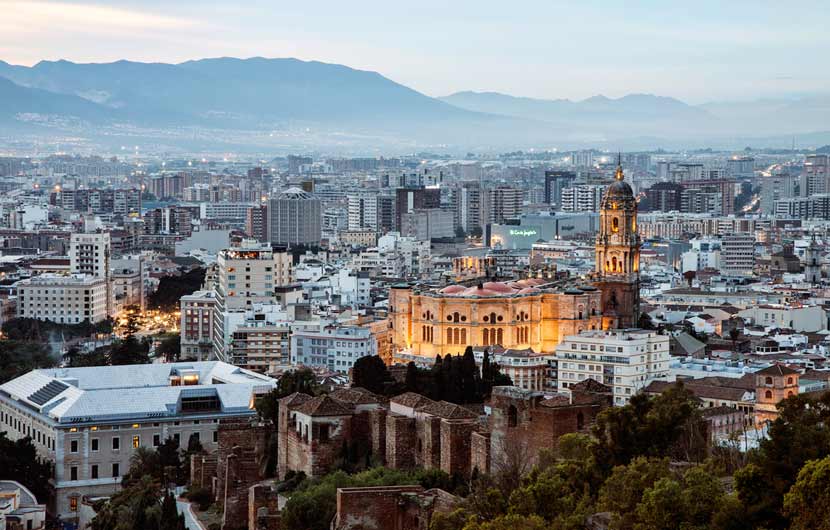
Malaga is a fantastic city often overlooked by those visiting the Costa Del Sol. It is the second-largest city in Southern Spain and the birthplace of the famous artist Pablo Picasso.
Malaga has a rich history, beautiful architecture, and a wide array of cultural activities for visitors to explore. It also has a bustling shopping scene, plenty of delicious tapas bars, and a vibrant nightlife.
Recently, the city has undergone significant renovations, adding a modern flair to the old-world charm. Malaga has something for everyone, from the history buff to the beach-goer, and is worth a visit!
Sevilla
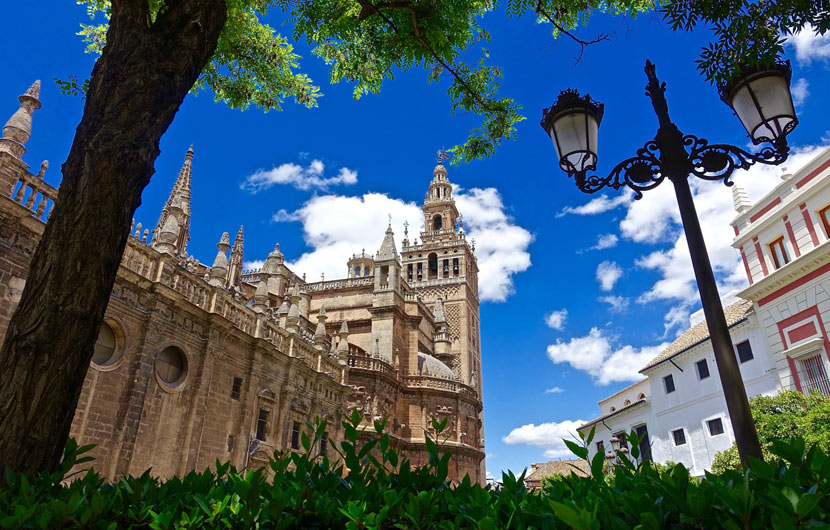
Sevilla is a captivating city that is steeped in history and culture. It is home to some of Spain's most stunning monuments and ancient sites, including Sevilla Cathedral, the Alcazar Gardens, and the Torre del Oro (Golden Tower).
It is also the first city in Spain to have a high-speed railway line, the Madrid-Sevilla AVE line, which was opened for the 1992 World Expo.
Sevilla has become a popular tourist destination due to its vibrant atmosphere, unique culture, and delicious cuisine. It's no wonder that Lord Byron wrote that Sevilla was famous for oranges and women!
Sevilla is located on the banks of the River Guadalquivir and is also the birthplace of tapas, the classic Spanish dish. Visitors will be impressed by its rich history, stunning architecture, and delicious food.
The city is home to the impressive Sevilla Cathedral, an imposing sight in the heart of the town just a few minutes walk from the Guadalquivir River.
Construction lasted for well over a century; the idea of city elders at the time was “to build the grandest and most magnificent Cathedral that people will think us mad.” The stunning central Nave rises well over 40 meters and is flanked by 80 stunning side chapels. The Basilica was built on the site of the Almohad mosque by the Moorish dynasty in the 12th century.
Cordoba
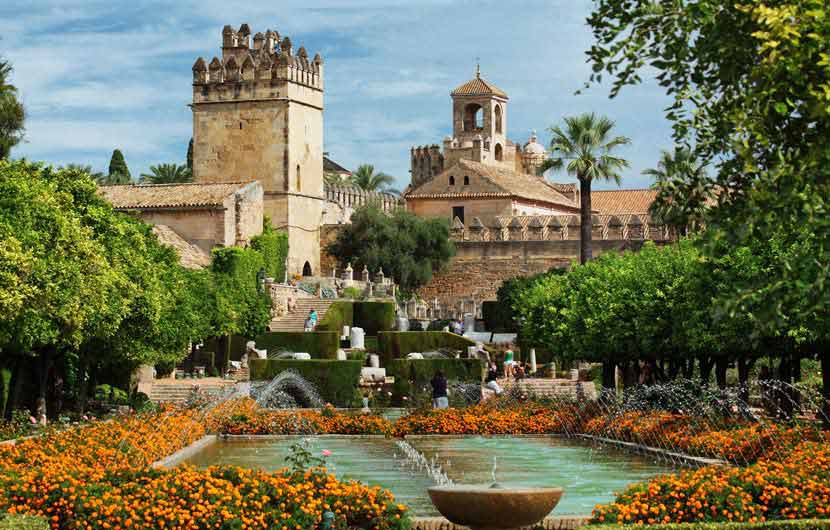
Cordoba is a truly remarkable city, with a history and culture shaped by the influences of three different worlds.
From the stunning Mezquita Arab Palace to the olive groves and beautifully decorated patios, Cordoba is a destination that should not be missed.
The vibrant festivals and flamenco dancing performances make it even more special. The region produces some of the finest wines in the world, such as Montilla wine, which is mellow and dry and perfect for sipping during festivals.
With such an array of sights and experiences, Cordoba is an unforgettable place to visit and to appreciate the unique mix of cultures that can be found nowhere else.
Almeria

Almeria is truly a magical place to visit if you're looking for a unique holiday of desert landscapes, sun, fantastic sea beaches, and rugged coastlines.
With warm year-round weather, crystal clear waters, and stunning landscapes, it's a great place to relax and unwind. But it's also perfect for those who want to experience new things; local fiestas are vibrant and full of life, and there's plenty of wildlife to explore in the Cabo de Gata Nature Park or the Las Salinas salt flats.
Whether you are looking for a peaceful getaway or an exciting adventure, Almeria is the perfect destination!
Ronda

Ronda is a stunning mountain town located in the heart of Andalucia. Its unique location, built on a ridge of the Sierra Ronda and surrounded by a 130-meter-deep gorge, El Tajo, makes it a destination that cannot be missed.
The eighteenth-century arched bridge, Puente Nuevo, stands majestically atop the gorge while tall, whitewashed houses line its edges.
For those looking to explore the area, the Rio Guadalquivir winds its way through the lush green valley below, and many donkey tracks lead down to the river.
Bird watchers will enjoy spotting the lesser kestrels that nest in and launch from the cliffs beneath Alameda Park and other bird species.
There's something truly magical about the views and history of Ronda, making it an unforgettable experience.
Costa del Sol
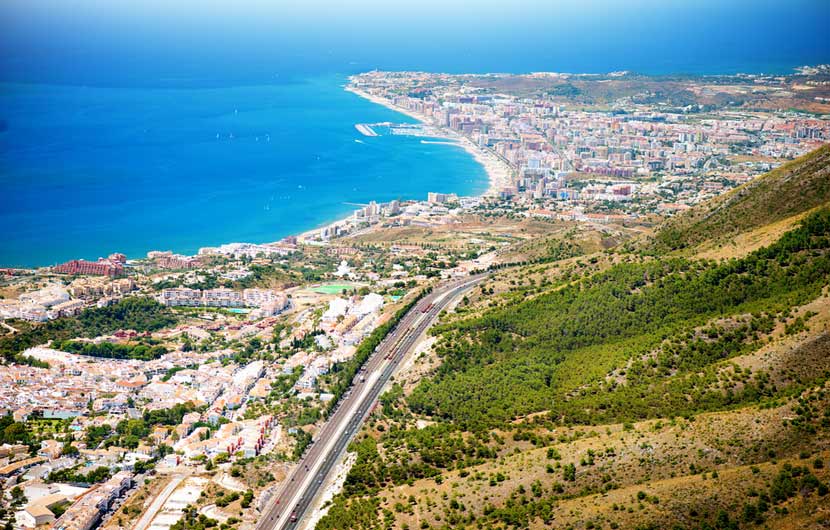
The Costa del Sol is a beautiful travel destination in the Andalucia region. The area is known for its stunning beaches and Mediterranean climate, providing over 300 days of sunshine throughout the year.
Tourists flock to this area to take advantage of the warm weather, the crystal blue waters of the Mediterranean, and the relaxed atmosphere. In addition to sunbathing on the beaches, you can explore the area's delicious local cuisine, vibrant nightlife, and nearby attractions like historic monuments and golf courses.
The Costa del Sol is ideal for those looking for a relaxing holiday in the sun.
Costa De La Luz

The Costa de la Luz is a beautiful destination in Spain. It's famously known as the Coast of Light because it offers more than 300 hours of sunshine yearly. It stretches from Tarifa in the east to the Taguas estuary bordering Portugal in the west. It offers a wide variety of attractions, such as the Donana Nature Reserve, pristine beaches, championship golf courses and delicious cuisine.
The main cities of the Costa de la Luz are Cadiz and Huelva, both of which offer an array of cultural experiences and breathtaking views.
The coastline is surrounded by lush pine forests, charming fishing villages, and peaceful surroundings, making it the perfect spot to relax and enjoy the beauty of nature.
Cadiz

Cadiz is a unique city full of history, charm, and mystique. Its age and its importance as a port in the 18th century have given it a character that has been preserved even to this day.
When you walk through the city's alleyways and squares, you can feel the atmosphere of the old days, as it is still full of life and culture.
The golden dome of the cathedral reminds us of the city's past wealth and power, and the mix of old and modern makes a visit to Cadiz a truly special experience.
Huelva

Huelva is an area rich in attractions that is perfect for all types of travellers! From its whitewashed villages, delicious cuisine, and historic sites to the championship golf resorts, Huelva has something for everyone. Not to mention, Huelva's coastline boasts some of the most beautiful beaches in Spain.
From Matalascanas and Mazagon, to Punta Umbria, Isla Canela, La Antilla, Isla Cristina, and El Rompido, visitors can enjoy stunning sand and surf.
And, with over 3,000 hours of sunshine each year, you can be sure your beach days will be filled with sunshine!
So, if you're looking for a beach holiday with plenty of interesting sites to explore, Huelva might be the perfect destination for you!
Jerez De La Frontera

Jerez de la Frontera is a beautiful place to visit, full of culture and things to do. It's known as the birthplace of Sherry, with nine world-renowned bodegas that offer guided Sherry tours.
It's also known for the Royal Andalucian School of Equestrian Art and its flamenco dancer Lola Flores.
The best time to visit is from April to September when temperatures are mild and comfortable. The summer months can get very hot, so it's best to visit during the cooler months.
Top attractions in Andalusia Spain
Colourful Festivals

Andalusia is a region famed for its fiestas, festivals, carnivals, and ferias. These colourful events take place in the cities, towns and villages across Andalusia, Spain and are a great way to witness the traditional customs and celebrations of the region.
One of the most famous festivals in Andalusia is the Feria de Abril in Seville. This week-long celebration takes place in late April and features traditional flamenco music, dancing, and colourful parades of horses and carriages. The festival began in the 19th century as a livestock fair but has since evolved into one of the region's biggest and most vibrant festivals.
Probably the most fun festival of the year is The Fiesta de San Juan ( the night of St John ), celebrated throughout Andalusia, Spain, typically on June 23rd, with bonfires, fireworks, and one giant beach party. The festival is held to celebrate the summer solstice and honour the region's patron saint, San Juan.
Other important fiestas include the Feria de Agosto in Malaga, a week-long celebration of music, dancing, and traditional cuisine in mid-August. The Feria de Nuestra Señora de la Salud in Cordoba is a religious festival honouring the city's patron saint, with processions and celebrations in late May.
In addition to these more prominent festivals, Andalusia holds countless smaller ferias and celebrations throughout the year.
Other important fiestas include the Feria de Agosto in Malaga, a week-long celebration of music, dancing, and traditional cuisine in mid-August. The Feria de Nuestra Señora de la Salud in Cordoba is a religious festival honouring the city's patron saint, with processions and celebrations in late May.
In addition to these more prominent festivals, Andalusia holds countless smaller ferias and celebrations throughout the year.
Another major event celebrated yearly is the easter festival, Holy Week (Semana Santa). You will find holy week celebrations in all the major cities and many smaller towns and villages, including Malaga, Granada, Seville, Huelva, Cadiz, Almeria and Cordoba.
Overall, Andalusia's fiestas, festivals, carnivals, and ferias offer visitors a unique glimpse into the region's rich culture and history.
From traditional celebrations to modern events, there is something for everyone to enjoy throughout the year.
Stunning Beaches

Andalucia has over 800 kilometres of diverse coastline and many blue flag beaches set in idyllic landscapes. and some of the best beaches in Andalusia are
» Playa Victoria Beach - Cadiz

Victoria Beach is located in the province of Cadiz and is likened to champagne, because of its champagne-coloured sand, enjoys a large beach, stretching 2 km, being the finest in southern Spain.
Popular for the many water sports, but also the wide range of restaurants, cafes, bars and a lively atmosphere, Playa Victoria offers tourists a relaxing experience that is not as crowded as other beaches.
» Bolonia Beach - Costa de la Luz

Highly appreciated and famous, Bolonia is the hardest accessible beach in the southernmost province of the Costa de la Luz, but the effort is fully rewarded. The beach offers three areas to choose from, depending on your tastes. Bolonia Beach is known for its tranquillity and 30-meter-high dunes.
For adventurous spirits, the south is the paradise of surfers, beating strong winds, while the central part is dedicated to families, with umbrellas sunbeds and free parking.
» Cabo de Gata – Almeria

Playa de Los Muertos is part of UNESCO Heritage and declared a Biosphere Reserve. Its hidden bays, coral reefs, pristine beaches, cliffs and ruined castles.
Do not be deceived by the beach's name because it will surprise you the first time. The rock formation at the end of the beach is unique and strange at the same time, resembling a grey mountain.
15 Amazing Beaches In Andalusia, Spain
- Vera Beach Almeria.
- Playa de los Muertos. Almeria.
- Playa de los Genoveses. Almeria.
- La Herradura Beach - Granada
- Playa de Maro - Nerja
- Playa de Los Boliches - Fuengirola
- Playa de la Butibamba - Mijas Costa
- Playa de Cabopino - Marbella
- Bolonia Beach - Cadiz
- Zahara de los Atunes - Cadiz
- Barbate Beach - Cadiz
- Los Canos de Meca - Cadiz
- Sanlucar de Barrameda - Cadiz
- Matalascanas - Huelva
- Playa de Castillo - Huelva
Donana Natural Park

Donana is a vast and beautiful nature reserve located within the provinces of Cadiz and Huelva. It is one of Europe's most important wetlands and a biodiversity hotspot for many plants and endangered species, such as the Iberian Lynx.
The reserve has different ecosystems that create a changing scenery throughout the year. There are marshes, lagoons, pine forests, dunes, cliffs and beaches to explore. The best times to visit the park are April, May, June, and September, as well as winter if you want to see the migratory flamingos.
One of the main attractions of Doñana is its rich birdlife. Over 300 species of birds can be found here, including flamingos, herons, storks and eagles. Some are migratory and use Donana as a stopover or wintering site. Many, though, live and breed in the reserve all year round.
Doñana is also home to some endangered mammals, such as the Iberian lynx and the Spanish imperial eagle. Two of the most emblematic species of the reserve require special conservation efforts.
Due to its very nature and with conservation at the forefront, visitor restrictions are in place on where you are allowed to visit. The general areas can be visited without reservations via the visitor centres located on the periphery of the Park. If you are thinking of entering the restricted areas, you must reserve through one of the authorized companies.
For a special day out join one of the 4x4 guided tours on offer, they are a way to explore the park and learn all about the floors, fauna and wildlife that exists on this stunning nature reserve.
Play Golf

Andalusia is the preferred destination of many thousands of golfers each year.
The area is home to the world-renowned Costa del Sol, which boasts more than 60 top-class golf courses, including Valderrama, Las Brisas, San Roque and La Reserva.
We can help you plan and book your next golf trip to Andalucia and around Spain.
Best Andalusia Beaches

Andalusia is blessed with some of the best beaches in Spain; here is our pick of the top beaches in the south of Spain.
- Vera Beach Almeria.
- Playa de los Muertos. Almeria.
- Playa de los Genoveses. Almeria.
- La Herradura Beach - Granada
- Playa de Maro - Nerja
- Playa de Los Boliches - Fuengirola
- Playa de la Butibamba - Mijas Costa
- Playa de Cabopino - Marbella
- Bolonia Beach - Cadiz
- Zahara de los Atunes - Cadiz
- Barbate Beach - Cadiz
- Los Canos de Meca - Cadiz
- Sanlucar de Barrameda - Cadiz
- Matalascanas - Huelva
- Playa de Castillo - Huelva
- Chipiona Beach - Cadiz
Playa Victoria Beach - Cadiz
Playa de la Victoria is a jewel in Andalusia's crown in Cadiz, one of the region's most historic cities.
Stretching for approximately 3 kilometres along the city's coastline, this urban beach boasts fine golden sands and calm, clean waters, making it a popular choice for both locals and tourists.
Renowned for its cleanliness and extensive amenities, including sunbeds, restaurants, and chiringuitos (beach bars), Playa de la Victoria offers a perfect blend of relaxation and recreation.
The beachside promenade is ideal for evening strolls, capturing the essence of Andalusian life.
Bolonia Beach - Costa de la Luz
Bolonia Beach (Google Maps), located near Tarifa in Andalusia, is one of Southern Spain's hidden gems.
This pristine stretch of golden sand spans around 4 kilometres and is backed by the impressive Bolonia Dune, one of the largest sand dunes in Europe.
The beach is renowned for its crystal-clear waters, making it a favourite for both swimmers and snorkelers.
In addition to its natural beauty, Bolonia is steeped in history. The ancient Roman city of Baelo Claudia, situated just behind the beach, offers a fascinating glimpse into Spain's Roman past with well-preserved ruins, including temples, baths, and aqueducts.
The combination of breathtaking natural landscapes and rich historical significance makes Bolonia Beach a must-visit.
Chipiona Beach
Chipiona Beach, located in the province of Cadiz, is a coastal gem that boasts a unique Andalusian charm.
known for its expansive stretches of golden sands, this beach attracts visitors with its serene ambience and clear waters.
The iconic Chipiona Lighthouse, one of the tallest in Spain, stands guard over the coast, providing a picturesque backdrop.
Local chiringuitos (beach bars) offer fresh seafood, allowing visitors to taste authentic Andalusian dishes while enjoying panoramic sea views.
The beach promenade, lined with palm trees, is perfect for leisurely walks.
Valdevaqueros Beach – Tarifa

Valdevaqueros in Tarifa is one of the most iconic beaches of Andalusia, renowned for its vast stretch of fine golden sand and consistent winds.
Located near the southernmost tip of Spain, it's a haven for kite and windsurfing enthusiasts from around the globe.
The dune backdrop adds to its natural beauty, providing a dramatic contrast to the azure waters of the Atlantic.
Besides water sports, Valdevaqueros offers beach bars or "chiringuitos," where one can taste local delicacies while soaking up the sun.
The beach's proximity to the vibrant town of Tarifa also ensures a mix of relaxation and lively Spanish culture.
The Gastronomy of Andalusia

Andalusia is a region that has a rich and diverse gastronomy. Its cuisine reflects its history, geography and culture, influenced by the different peoples inhabited it over the centuries, including the Romans, Arabs, Jews and Christians.
One of the main characteristics of Andalusian cuisine is its use of olive oil, which is produced in large quantities in the region. Olive oil is used for frying, dressing salads, making sauces and preserving foods. Another staple ingredient is bread, which accompanies almost every meal and is used to make soups and stews.
Andalusia has a long coastline, and various fish and seafood are consumed regularly.
Some of the most popular dishes include pescaíto frito (fried fish), gambas al ajillo (garlic prawns), cazon en adobo (marinated dogfish) and espetos de sardinas (sardines skewered on sticks and grilled over fire).
The region also produces high-quality cured meats such as jamones (cured hams), chorizos (sausages) and morcillas (blood sausages).

The influence of Arabic cuisine can be seen in many Andalusian dishes that use cumin, saffron, cinnamon and cloves. They also introduced fruits such as oranges, lemons, figs and dates.
Some examples are alboronía (a vegetable stew similar to ratatouille), albondigas con tomate (meatballs with tomato sauce) and arroz con leche (rice pudding).
One of the most famous Andalusian dishes is gazpacho, a cold soup made with tomatoes, cucumbers, peppers, garlic, bread, vinegar and olive oil. It is usually served as a starter or a refreshing drink in summer.
Another typical cold soup is salmorejo from Cordoba, thicker than gazpacho and topped with hard-boiled eggs and ham.
Andalusia also has a rich pastry tradition that dates back to medieval times when Jewish and Muslim bakers created sweets with honey, almonds, nuts and dried fruits.
Some of the most delicious desserts are pestinos (honey-coated fritters), polvorones (shortbread cookies), torrijas (bread soaked in milk or wine and fried) and roscos de vino (wine doughnuts).
Andalusia also produces some of the best wines in Spain, especially sherry from Jerez de la Frontera, vino dulce from Malaga and refreshing white wines from Cordoba.
Sherry has become one of the most well-known wines produced in Spain and exported worldwide. Sherry is fortified wine such as fino, manzanilla, oloroso, amontillado or Pedro Ximénez, each with a unique taste.