


Castilla y Leon: Spain's Medieval Heart - Castles, Cathedrals, and Culinary Secrets You Need to Discover

Castilla y Leon is the kind of place that gets under your skin quietly. It doesn’t shout for attention like Spain’s coastal hotspots, but if you love history, food, and landscapes that stretch for miles, this region will steal your heart.
You’ll find yourself walking through cities that feel like open-air museums—places like Salamanca, where the golden sandstone buildings glow at sunset, and the Plaza Mayor is so perfect you could sit there for hours, just people-watching. Then there’s Segovia, where you’ll catch your breath the first time you see the Roman aqueduct, standing tall after 2,000 years without a single drop of mortar. And let’s not forget Burgos, home to one of Spain’s most stunning cathedrals and the final resting place of El Cid.
But Castilla y Leon isn’t just about cities. The countryside is something else entirely. Rolling fields, dramatic mountain ranges, and sleepy villages where time seems to stand still. The Ribera del Duero wine region is here, meaning you’ll be sipping some of Spain’s best reds straight from the source.
And the food? Let’s just say you’ll want to forget about counting calories. Roast suckling pig in Segovia, slow-cooked lechazo (lamb) in Aranda de Duero, and the kind of hearty stews that taste even better when eaten by a roaring fire in a medieval tavern.
Castilla y Leon isn’t flashy, but it’s the Spain that stays with you. And once you’ve wandered its ancient streets and tasted its flavours, you’ll understand why.
Important Pilgrimage Routes:

The region is intricately connected with the Camino de Santiago pilgrimage routes, attracting spiritual seekers worldwide.
The Camino Frances, the most popular route, passes through places like Leon and Burgos, offering religious significance and a chance to experience the local culture and some very tasty food along the way.
The gastronomy of Castilla y Leon is deeply rooted in tradition, with dishes such as cochinillo asado (roast suckling pig) from Segovia and morcilla de Burgos (blood sausage) among the highlights.
The region's renowned wines, such as Ribera del Duero and Rueda, are well regarded in Spain and Europe for their high quality.
Natural Wonders:
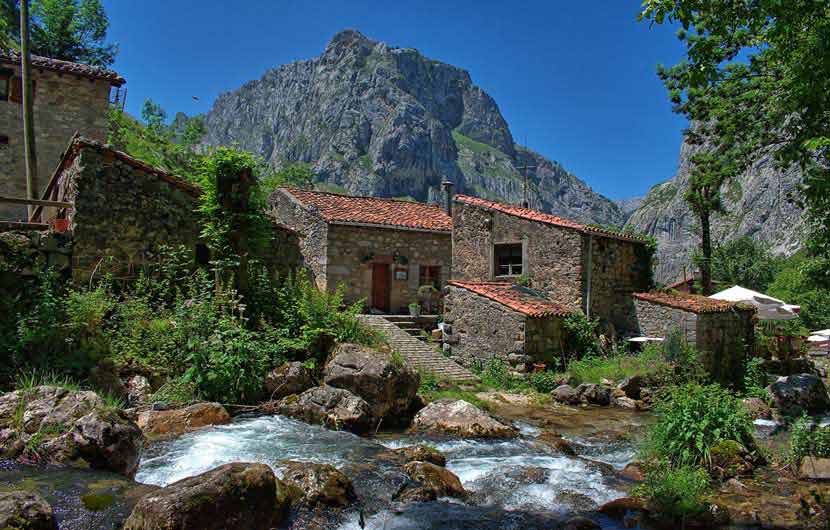
Beyond its historical allure, Castilla y Leon boasts stunning natural landscapes.
The Sierra de Gredos mountain range provides hiking opportunities, while the tranquil Picos de Epicouropa National Park offers breathtaking views.
The region's diverse ecosystems include lush valleys, meandering rivers, and expansive plains.
Festivals and Celebrations:

The region's calendar is filled with vibrant festivals celebrating its rich cultural heritage.
Semana Santa (Holy Week) processions are grand spectacles in cities like Valladolid and Leon.
Additionally, Castilla y Leon hosts traditional events such as the Corpus Christi celebrations in villages like Toro, where streets are adorned with intricate carpets made of flowers and coloured sawdust.
Vineyards and Wine Tourism:

Castilla y Leon is a significant wine-producing area with several designated wine regions.
The Ribera del Duero is renowned for its robust red wines, while Rueda specialises in refreshing white wines.
Wine enthusiasts can explore vineyards and take guided tours of the most famous bodegas, with wine tastings. Plus, you get to learn all about the fascinating winemaking process.
Artistic Heritage:
Castilla y Leon has fostered renowned artists and writers throughout history.
The region was the birthplace of writers Miguel de Cervantes and Jose Zorrilla, while sculptures by Gregorio Fernandez grace the streets of Valladolid.
Museums and galleries offer glimpses into the region's artistic legacy.
Medieval Fortresses and Palaces:
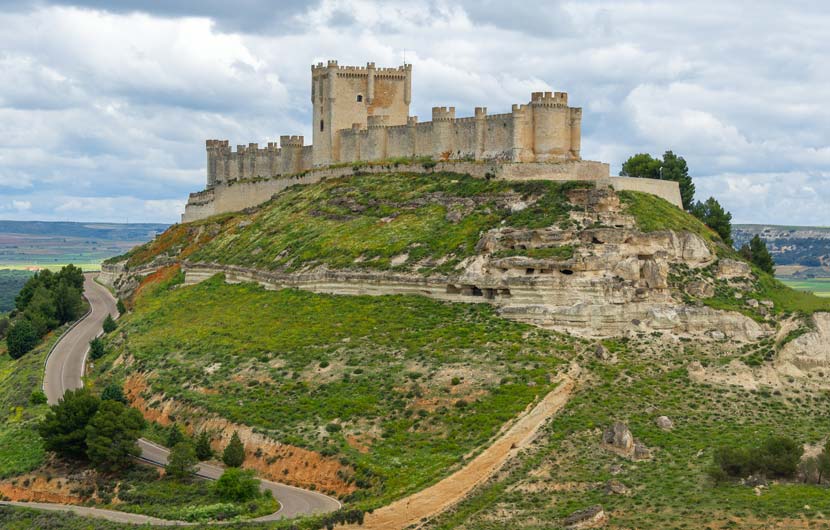
The region is dotted with medieval fortresses and palaces that reflect its storied past.
The Castillo de Penafiel and the Castillo de Ponferrada are excellent examples of well-preserved castles that offer insights into the region's history and architecture.
Rural Getaways:
Castilla y Leon offers serene rural retreats where you can unwind amidst tranquil landscapes. Rustic villages like La Alberca and Ciudad Rodrigo allow visitors to step back in time and experience the region's rural traditions.
Rich Folklore and Traditions:
The region's folk traditions are evident in its festivals, music, and traditional attire. The Zamarrones of Llamas de la Ribera and the Hombres de Musgo in Bejar are just some examples of the vibrant folkloric traditions passed down through generations.
8 Interesting Facts About the Rioja Region
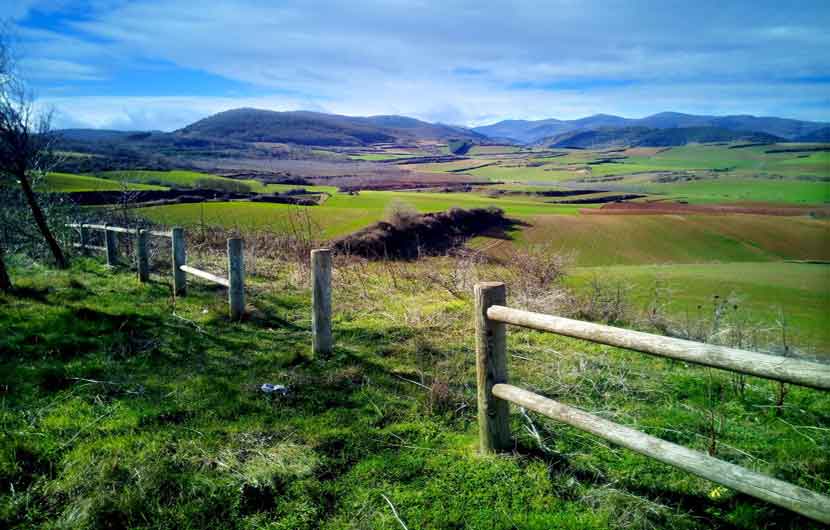
- La Rioja holds the distinction of being the first Denominacion de Origen Calificada (DOCa) in Spain, a prestigious designation highlighting its long-standing winemaking excellence.
- The region's vineyards are situated at varying altitudes, contributing to the diversity of its wines. The lower areas near the Ebro River produce fruitier wines, while higher elevations yield grapes for more structured and complex vintages.
- La Rioja showcases architectural wonders known as "cathedrals of wine." These are modern wineries designed by renowned architects, blending innovative design with traditional winemaking. Notable examples include Ysios Winery's wave-like structure and Marques de Riscal Winery's iconic titanium curvhttps://www.booking.com/country/es.es.htmles.
- The Camino de Santiago pilgrimage route passes through La Rioja, attracting thousands of pilgrims each year. Its towns, such as Santo Domingo de la Calzada, provide a cultural and spiritual haven for those on the journey.
- The town of Santo Domingo de la Calzada is known for the "Miracle of the Hen." According to legend, a resurrected hen and rooster served as evidence in a dispute.
- The town of Haro hosts one of the most unique festivals in Spain, the "Batalla del Vino" or Wine Fight Festival is held every June. Participants drench each other in wine, creating a very messy if not colourful and joyful spectacle, perfect for getting unique photos for your social media accounts.
- Bodegas Irache, located on the Camino de Santiago, offers a wine fountain where pilgrims can fill their bottles with free wine as they pass through. No, really, the wine is actually free and symbolises hospitality and camaraderie. Check out the live webcam to see pilgrims filling their bottles!
- The historic town of Briones is home to a network of ancient wine cellars, some of which are located beneath the town's streets. These underground cellars, built during the Middle Ages, showcase the region's dedication to winemaking traditions.
7 Unforgettable Experiences in Castilla y Leon
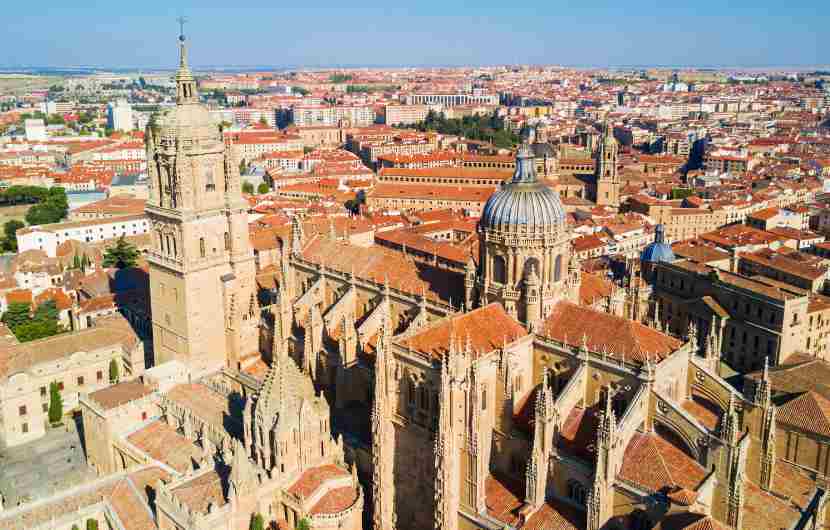
1. Explore the Historic City of Salamanca:
Immerse yourself in the charm of Salamanca, known for its stunning Plaza Mayor, one of the most beautiful squares in Spain.
Wander through the University of Salamanca, founded in 1218, admire its intricate façade and explore the stunning New Cathedral
Visit the Casa de las Conchas and climb the Clerecía Tower for panoramic views. Entry fees vary based on specific attractions.
2. Admire the Aqueduct of Segovia:
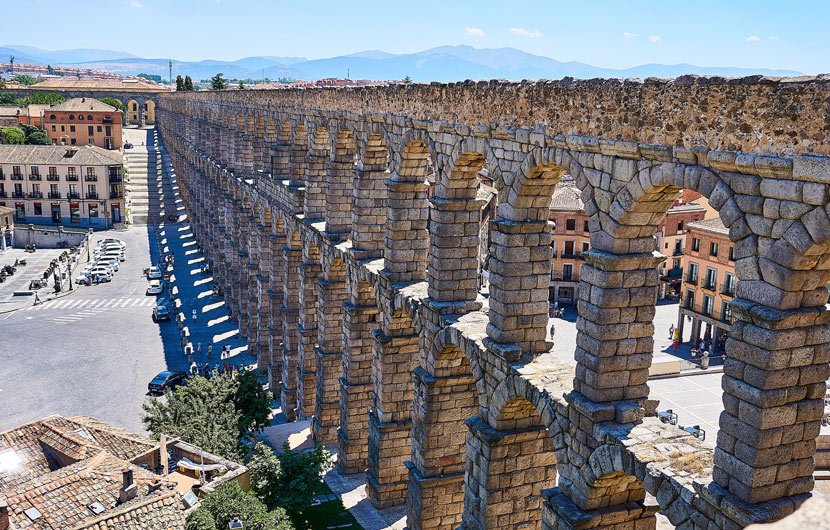
In the city of Segovia, marvel at the awe-inspiring Roman Aqueduct, a UNESCO World Heritage site.
Explore the Alcazar, a fairy-tale castle that served as inspiration for Disney's Cinderella Castle. Admission to the Aqueduct is free, while there's an entry fee for the Alcazar.
3. Discover the Burgos Cathedral:
The Burgos Cathedral is a masterpiece of Gothic architecture and home to the tomb of El Cid. Explore its intricate façade, awe-inspiring interior, and climb the towers for breathtaking views of the city. Entry fees contribute to the maintenance of this stunning monument.
4. Wine Tasting in Ribera del Duero:

Embark on a wine journey in Ribera del Duero, renowned for its exceptional red wines.
Visit local wineries, such as Bodegas Vega Sicilia, for guided tours and tastings.
Prices for tours and tastings vary, offering the chance to savour the region's finest wines.
Vega Sicilia Unico: A true icon, Vega Sicilia's Unico is a Bordeaux-style blend of Tempranillo and Cabernet Sauvignon. Aged for years, it boasts rich, complex flavours,
Pesquera Tinto: From Bodegas Alejandro Fernandez, Pesquera Tinto is an embodiment of Tempranillo's elegance.
Emilio Moro Malleolus: This single-vineyard Tempranillo is a modern classic. Crafted by Bodegas Emilio Moro.
5. Experience the Semana Santa in Valladolid:
During Holy Week, Valladolid comes alive with vibrant Semana Santa processions. Witness the religious fervour, intricate floats, and traditional rituals that make this event special. Join the local crowds in this unique cultural celebration.
6. Roam the Walls of Avila:
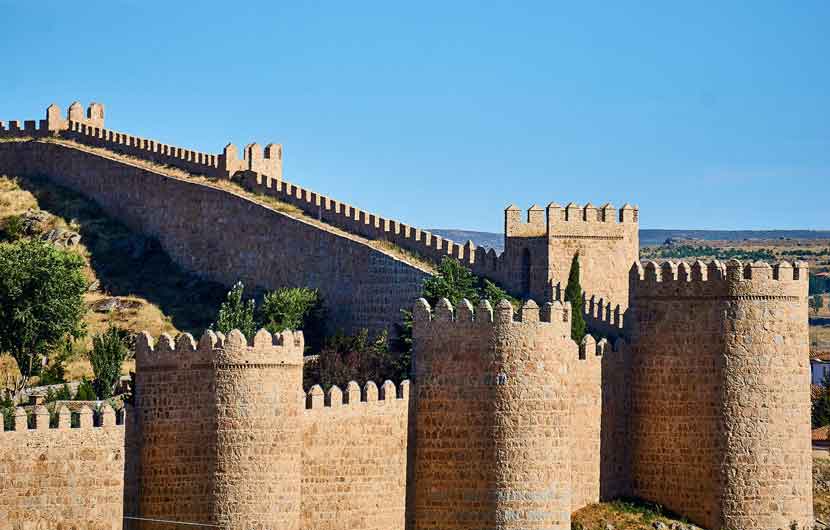
Explore Avila's remarkably preserved city walls, offering a glimpse into medieval Spain. Walk along the ramparts and discover the city's historic quarters.
At night, the Walls of Avila is the largest fully illuminated monument in the world – now there’s a treat. It is undoubtedly a stunning city and its history which makes visiting Avila something very special.
The walls of Avila have remained mostly unchanged since centuries ago; the atmosphere is solemn and tranquil, just as if you had gone back in time to Medieval Spain.
7. Visit the Monastery of San Juan de los Reyes:

In Toledo, visit the Monastery of San Juan de los Reyes, an exquisite example of Gothic architecture.
Admire the intricate carvings and serene cloisters. Explore the garden and chapel while learning about its historical significance.
The entry fees collected go to support the preservation of this architectural gem.
Castilla y Leon Gastronomy

The gastronomy of Castilla y Leon is a rich tapestry woven with tradition, innovation and a deep connection to the land.
Some of the most loved dishes from the region include succulent Roast lamb, known as "Lechazo Asado," which melts in your mouth, while dishes like "Sopa Castellana" and "Arroz a la Zamorana" offer warmth and comfort.
Cheeses like "Queso Zamorano" and the superb taste of "Jamon Iberico" are extremely popular with the locals.
These culinary treasures, combined with the renowned Ribera del Duero wines, speak of gastronomy that honours age-old recipes and embraces new influences, resulting in a symphony of taste that defines Castilla y Leon.

Here are some of the most popular dishes from the region:
- Lechazo Asado: Roast lamb, particularly suckling lamb, is a regional speciality. The meat is tender and flavourful, often roasted in wood-fired ovens.
- Cecina: This air-dried, cured beef or venison is typically served thinly sliced as a cold appetizer. It's a common delicacy in the region.
- Morcilla de Burgos: A type of blood sausage, morcilla is made with rice and blood, resulting in a unique taste.
- Sopa Castellana: This hearty garlic soup features bread, eggs, and sometimes ham. It's a warming and traditional dish in the region.
- Hornazo: A delicious savoury pie filled with chorizo, ham, and hard-boiled eggs, often enjoyed during festivals and celebrations.
- Queso Zamorano: This PDO-certified cheese is made from sheep's milk and aged to develop a robust flavour and crumbly texture.
- Jamon Iberico: While associated with other regions, Castilla y Leon is home to some quality producers of this renowned Spanish cured ham.
- Arroz a la Zamorana: A rice dish similar to paella, this dish includes rice, vegetables, and a variety of meats, often including rabbit and pork.
- Ribera del Duero Wines: The region is famous for its red wines, particularly those made from the Tempranillo grape in the Ribera del Duero DO. They are known for their complexity and rich flavours.
Where To Stay In Castilla y Leon
Looking for inspiration on where to stay in this picturesque region of Spain? Here are a few places you might like to consider.
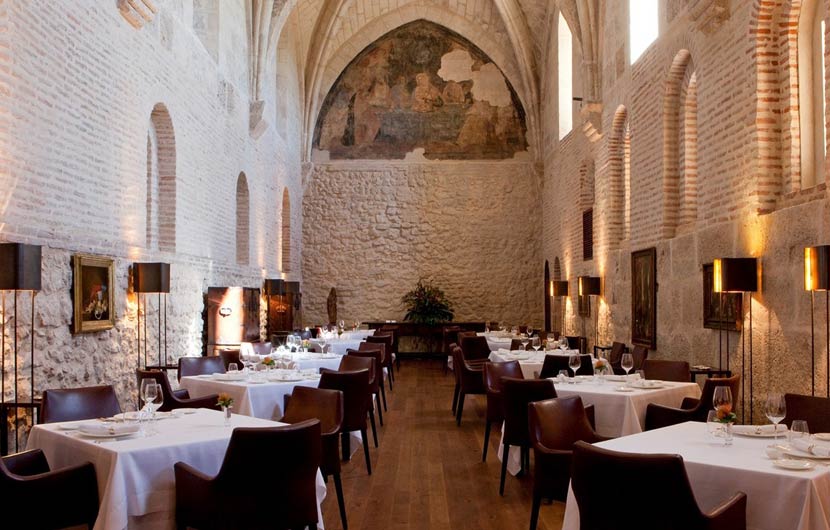
Abadia Retuerta LeDomaine: Set in a historic abbey, this luxury hotel offers an exclusive experience in the Ribera del Duero wine region. Here, you can enjoy wine tastings, explore the vineyards, and indulge in gourmet dining.
Parador de Segovia: Overlooking the city and the iconic Alcazar, this Parador offers stunning panoramic views. Its convenient location, classic architecture, and comfortable rooms provide a memorable stay in Segovia.
Hotel NH Collection Palacio de Burgos: Situated near the Cathedral of Burgos, this upscale hotel offers stylish rooms and excellent amenities. Its central location allows easy access to major attractions, including the Cathedral.
Hotel Olid: Positioned in the heart of Valladolid, this hotel provides easy access to the Plaza Mayor and other city landmarks. Its comfortable rooms and attentive service ensure a pleasant stay.
Hotel Palacio de Los Velada: Located within the city walls of Avila, this charming hotel is close to major attractions like the Avila Cathedral. Its historic ambience and modern comforts make it a unique place to stay.
Getting Around Castilla y Leon

Motorways & A Roads
A-1 Autovía del Norte
A-6 Autovía del Noroeste
A-62 Autovía de Castilla
A-66 Autovía Ruta de la Plata
AP-6 Autopista del Noroeste
AP-51 Autopista de Pinares
AP-71 Autopista Leon-Astorga
AP-68 Autopista Vasco-Aragonesa
A Roads (Carreteras Nacionales):
N-120 Carretera del Camino
N-601 Carretera de Madrid-Leon
N-625 Carretera de Bilbao-Oviedo
N-630 Carretera Ruta de la Plata
Main City Train Stations:
Due to the size of the region, there are several main train stations that offer service to and from all the major cities around Spain including:
Valladolid-Campo Grande, Leon, Burgos-Rosa de Lima, Salamanca, Zamora, Palencia, Avila, Segovia-Guiomar and Soria
Airports:
Valladolid Airport (VLL)
Leon Airport (LEN)
Burgos Airport (RGS)
Salamanca Airport (SLM)
