


With almost 6,000 kilometres of diverse coastline, Spain offers superb snorkelling opportunities to explore dazzling underwater scenery and marine life.
Here's a guide to the top spots and tips to enjoy the best of snorkelling in Spain:
The Balearic Islands are a snorkeler's paradise, especially Mallorca and Menorca, which boast clear waters and an abundance of coves, caves, and rocky reefs that are teeming with colourful fish.
Top spots include Cala Macarella's turquoise waters in Menorca and the rocky islets off Port D'andratx in Mallorca.
Further south, Cabo de Gata Natural Park in Almeria provides volcanic rock formations, seagrass meadows, and coral reefs to explore.
Snorkel with barracudas, octopuses and seahorses in this protected marine reserve.
Snorkelers can access vibrant reefs and shipwrecks from destinations like Nerja on the Costa del Sol.
Lanzarote offers unique snorkelling around its surreal lava rock fields in the Canary Islands.
Meanwhile, the schools of fish swirling around Maspalomas' El Faro lighthouse in Gran Canaria are not to be missed. Tenerife snorkelling impresses at the giant mural reefs of Las Galletas.
Snorkeling gear, including masks, snorkels and fins, can be rented affordably from most beach destinations in Spain.
Joining a guided snorkeling and scuba diving tour or diving boat tour will provide you with the right equipment and transportation to the best sites.
To go solo, arrive early before crowds disturb fish and always snorkel with a friend for safety.
Snorkelling on the Costa Brava

With its rugged coves, translucent waters, and abundant marine life, the Costa Brava is a premier destination for snorkelling along Spain's northeastern coastline.
The protected bays around Begur contain underwater scenes of rocky reefs and swaying sea grasses home to octopus, sea bream, and seahorses.
Around the Medes Islands, snorkelers can float through schools of fish swirling around the rocky islets a short boat ride from the shore.
Further north, Cap de Creus Natural Park provides dramatic cliffs and coves to discover. Snorkel among rainbow wrasse and red scorpionfish around the Cadaques peninsula.
If you want to venture out, you can explore the remains of Greek and Roman shipwrecks off the park's coast.
Many companies offer equipment rental and guided snorkelling excursions departing from popular towns like Lloret de Mar.
Head to Sant Feliu de Guixols to take kayak snorkelling experiences to otherwise inaccessible coves.
Certified divers can take introductory scuba courses to maximize time below the surface.
Snorkelling on the Canary Islands

With warm Atlantic waters and striking volcanic landscapes, the Canary Islands are often described as Spain’s little slice of the Caribbean.
Their dramatic underwater terrain makes the archipelago a premier snorkelling destination.
Lanzarote’s unique lunar-like lava fields extend into the sea, creating otherworldly snorkelling around coral reefs threaded through bizarre rock formations.
In Maspalomas off Gran Canaria, encountering schools of fish swirling around the historic El Faro lighthouse is unforgettable.
Tenerife’s crystalline waters host huge underwater mural reefs and shipwrecks encrusted in coral, like the underwater museum off Puerto de la Cruz.
Lesser-known islands like La Palma and El Hierro offer exceptional snorkelling without the crowds.
The Canaries’ year-round warm climate allows snorkelling any season, though visibility peaks in calmer summer conditions.
Joining a charter tour allows access to premier sites away from shore.
Snorkelling on the Balearic Islands

The Balearic Islands offer world-class snorkelling conditions off Spain's Mediterranean coast.
Around Majorca, top spots include snorkelling along the rocky islets off Port D'andratx or the translucent waters of Cala Macarell, with schools of fish darting beneath the arches and outcroppings.
Menorca provides dazzling snorkelling around coves like Cala Mitjana and Cala Trebaluger.
Ibiza contains over 50 beaches and secluded coves to explore underwater.
Snorkelers flock to Es Cavallet’s pristine white sand backed by seagrass meadows full of ocean life.
Formentera’s Ses Illetes has underwater vistas of pure white sand stretching out to sea. For the best spots, join a boat trip from Ibiza that offers snorkelling as part of the day out.
Charter boats access premier spots around rocky islets and cliffs where few swimmers venture.
Trained guides share knowledge about the ecosystems and lead the way through caves and passages.
Snorkeling on the Costa Blanca
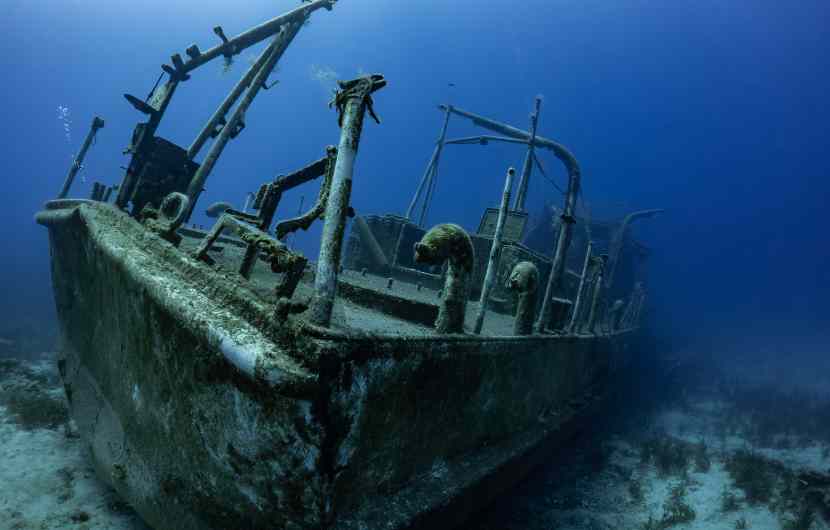
Snorkelling on the Costa Blanca is a mesmerising aquatic adventure that unveils the Mediterranean's hidden treasures.
This picturesque region along the eastern coast of Spain is renowned for its clear waters, abundant marine life, and unique underwater landscapes, making it a paradise for snorkelers of all levels.
Costa Blanca boasts diverse snorkelling spots, each offering a unique underwater experience.
The tranquil coves of Javea, the vibrant marine ecosystems of Tabarca Island, and the stunning underwater caves of Calpe are just a few of the exceptional locations awaiting exploration.
These sites are easily accessible, making them suitable for beginners and seasoned snorkelers.
The best time for snorkelling is during the warm summer months when water temperatures are invitingly mild and visibility is at its peak.
Local tour operators and dive centres offer guided snorkelling trips, ensuring safety and a deeper understanding of the region's marine life.
Snorkeling on the Costa del Sol

This stretch of coastline in southern Spain boasts clear waters, abundant marine life, and various snorkelling spots, making it a fantastic destination for underwater exploration.
The Costa del Sol offers a range of snorkelling opportunities suitable for all levels of expertise.
From the sheltered coves of Maro-Cerro Gordo Natural Park to the vibrant underwater landscapes near Nerja's Balcon de Europa, there's something for everyone.
The visibility in these waters is often excellent, allowing snorkelers to admire colourful fish, intricate coral formations, and other marine species.
Knowledgeable local guides can lead you to the best spots and provide insights into the local marine ecosystem, enhancing your snorkeling adventure.
Exploring The Fascinating Sea Life
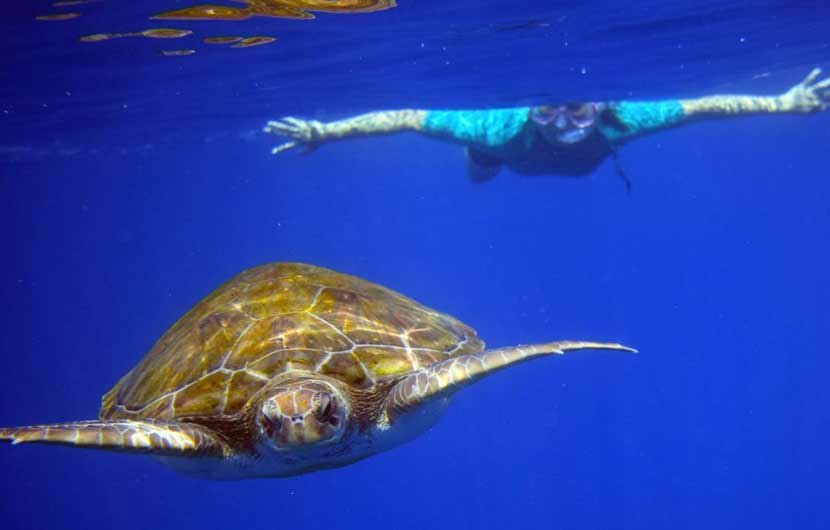
Snorkelling in Spain unveils a captivating world of marine and interesting sea life, thanks to its diverse coastal regions along the Mediterranean Sea and Atlantic Ocean.
Whether an experienced diver or a beginner, there are many opportunities to explore the local sea life whilst snorkelling in Spain.
In the crystal-clear waters of the Mediterranean, you can encounter schools of fish like damselfish, bream, and the occasional barracuda.
Coral reefs and sea fans adorn the seabed, while octopuses, moray eels, and seahorses hide among the rocks.
The Atlantic coast of Spain, particularly the Canary Islands, is known for its extraordinary marine biodiversity. Green turtles glide gracefully through the waters while angel sharks rest on the ocean floor.
Rays, triggerfish, and parrotfish add to the vibrant underwater mosaic.
Venture to marine reserves like the Islas Hormigas or the Medes Islands, and you'll discover thriving ecosystems teeming with marine species.
These protected areas are like underwater sanctuaries, preserving the delicate balance of life beneath the waves.
Spain's marine diversity extends beyond its fish and corals. Dolphins and pilot whales often appear, delighting snorkelers with their playful antics.
Best Snorkelling Spots in Spain
Spain boasts a plethora of stunning snorkelling spots along its diverse coastlines.
Here are some of the best spots that offer unforgettable experiences:
Medes Islands:

Snorkelling at the Medes Islands in Spain is a captivating experience for holidaymakers of all levels, from novices to experienced divers.
Located off the Costa Brava, these protected marine reserves offer clear, calm waters and a diverse underwater world.
Novices will appreciate the ease of access from the shore and the chance to see octopuses, as well as other marine species, in a safe environment.
The rich biodiversity and unique geological formations will enthral experienced snorkelers.
The Medes Islands are renowned for their stunning coral gardens, making it an underwater paradise.
Don't miss the opportunity to encounter barracudas, moray eels, and more.
Crystal-clear Medes Islands provide an unforgettable snorkelling adventure for every holidaymaker.
Cala Macarelleta:
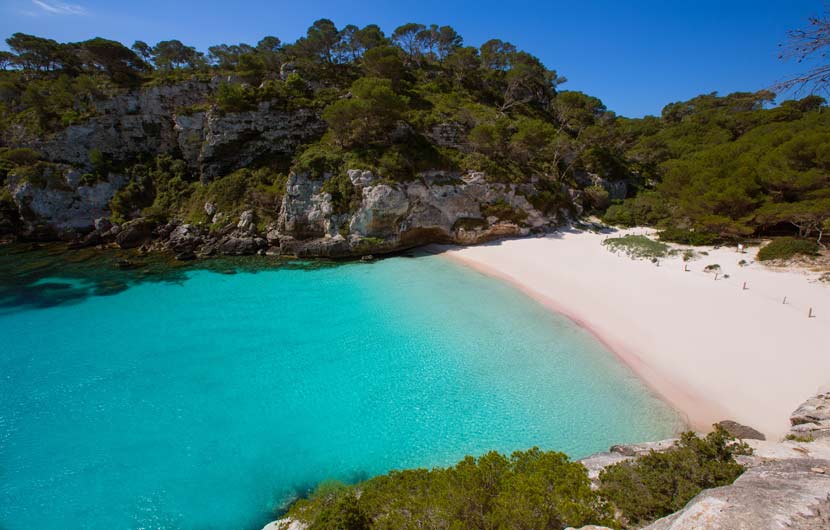
Snorkelling in Cala Macarelleta on the beautiful island of Menorca is a beautiful cove and one of the best snorkelling sites in Spain.
Here, this idyllic cove offers warm, crystal-clear waters and underwater marvels catering to beginners and seasoned divers.
Beginners will find the calm, shallow waters perfect for their first snorkelling experience, with vibrant marine life visible beneath the surface.
For the more experienced, Cala Macarelleta unveils a hidden world of underwater caves and thriving ecosystems.
Encounter schools of sea fans and explore the mesmerising rock formations.
With its accessibility and breathtaking marine landscapes, Cala Macarelleta is a must-visit spot.
Cabo de Palos:

Snorkelling in Cabo de Palos, in Murcia, is a delightful experience for holidaymakers of all levels, welcoming both novices and experienced divers.
Located on the southern coast of Spain, this destination offers pristine waters and a diverse marine environment.
Within the Cabo de Palos area, the Islas Hormigas is a small but ecologically significant group of islets.
These rocky formations, with their crystal-clear waters, are part of a protected marine reserve renowned for its extraordinary biodiversity.
Despite their diminutive size, the Islas Hormigas are a vital habitat for numerous marine species, including moray eels, groupers, octopuses, and barracudas.
These islets have become a haven for divers and snorkelers, offering an opportunity to explore vibrant coral gardens, underwater caves, and abundant marine life.
Beginners can explore sheltered areas with gentle currents and discover colourful fish and fascinating rock formations.
The rich marine life and underwater cliffs will enchant experienced snorkelers.
Cabo de Palos is renowned for its schools of fish, octopuses, and even the occasional moray eel.
Cala Macarella:
Cala Macarella, located on the island of Menorca, is a stunning cove that boasts clear turquoise waters that invite exploration.
Beginners appreciate the gentle, shallow entry points, providing easy access to a vibrant underwater world teeming with fish and serene seascapes.
For the more experienced snorkelers, Cala Macarella presents an opportunity to explore the thriving marine ecosystems.
With its natural beauty and accessibility, Cala Macarella offers an immersive and memorable snorkelling adventure for all holidaymakers.
Cala Galdana:

Snorkelling in Cala Galdana, Spain, is a fun adventure for holidaymakers of all skill levels.
Nestled on the beautiful island of Menorca, this pristine bay welcomes both novice snorkelers and experienced divers.
Beginners appreciate the calm, turquoise waters and shallow areas that provide easy access to an underwater world filled with vibrant marine life.
For the more seasoned snorkelers, Cala Galdana offers the chance to explore intricate rock formations and a variety of marine species.
Encounter schools of graceful sea fans and perhaps even a friendly octopus.
Cala Comte:

Snorkelling in Cala Comte, Spain, is a fantastic experience for holidaymakers of all skill levels, catering to beginners and seasoned divers.
Situated on the beautiful island of Ibiza, this beach boasts crystal-clear waters and underwater treasures waiting to be explored.
Novices can enjoy the calm, shallow areas where they'll encounter serene underwater vistas.
For the more experienced snorkelers, Cala Comte unveils a world of adventure with its rocky seabed and diverse marine ecosystems.
Encounter a wide array of marine life, from playful fish to intricate coral formations.
Playa de la Caleta:
Near Tenerife's Costa Adeje, Playa de la Caleta is perfect for family snorkelling.
Calm waters and rocky outcrops provide a habitat for various fish species, making it an excellent spot for beginners.
Cabo de Creus:
Located in Catalonia, Cabo de Creus is a protected marine area known for its underwater diversity.
Snorkelers can explore its underwater caves and vibrant coral formations and encounter various fish species.
Cala Coma de los Frailes:
Situated in the Cabo de Gata-Nijar Natural Park in Andalusia, this tranquil cove offers clear waters and an array of marine life.
Snorkelers can expect to see sea urchins, colourful fish, and seahorses.
Cala Varques:
On the island of Majorca, Cala Varques is a hidden gem with pristine waters and underwater caves.
The marine life here is abundant, and you can spot various fish species and sea fans.
Las Rotas:
Located near Denia on the Costa Blanca, Las Rotas is a snorkeling paradise with rocky seabeds and vibrant marine ecosystems.
Snorkelers often encounter groupers, octopuses, and even the occasional seahorse.
La Restinga:
On the island of El Hierro in the Canary Islands, La Restinga is a renowned snorkelling destination.
The waters here teem with marine life, including parrotfish, rays, and green turtles.
It also has the Mar de las Calmas Marine Reserve, ensuring a rich underwater experience.
Atlantic Ocean Snorkeling Spots in Spain

Spain offers some incredible snorkelling opportunities in the Atlantic Ocean. Here are five of the best spots:
Islas Cies (Cies Islands):
These remote islands in Galicia, off the coast of Vigo, offer crystal-clear waters and abundant marine life.
The protected marine reserve around the islands is perfect for snorkelers, who can spot octopuses and seahorses.
El Hierro:
El Hierro boasts pristine waters and a wealth of underwater treasures as the smallest of the Canary Islands.
La Restinga, in particular, is known for its diverse marine life, including parrotfish, groupers, and green turtles.
La Palma:
Another Canary Island, La Palma, features underwater volcanic formations, creating a unique snorkelling experience.
The clear waters along its coast are home to various fish species and intriguing rock formations.
Los Cristianos:
Tenerife: Besides its beautiful beaches, it offers fantastic snorkelling opportunities.
Los Cristianos, in the south of the island, provides access to calm waters and a thriving underwater world, including damselfish and trumpetfish.
La Gomera:
This tranquil island in the Canaries is a hidden gem for snorkeling.
Playa Santiago and Valle Gran Rey are popular snorkeling spots, where you can encounter rays, and even angel sharks.
What Gear Do You Need To Enjoy Snorkeling?
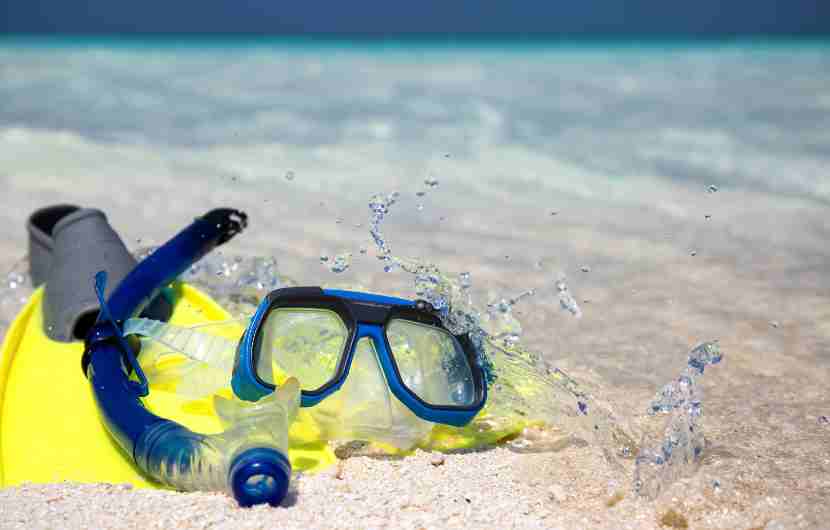
Here is the basic gear you need to enjoy snorkeling:
Snorkel - The curved breathing tube that allows you to breathe comfortably while swimming face down. Getting one with a dry top valve prevents water from entering.
Mask - Forms an airspace over your eyes and nose so you can see clearly underwater without having to close your eyes. Choose one that provides a water-tight seal on your face.
Fins - Flipper-like fins that fit on your feet to propel and manoeuvre easily through the water. Opt for adjustable open-heel fins.
Wetsuit - Insulates you in colder water temperatures. A snorkeling vest also provides buoyancy and protection. Not absolutely necessary when you are diving in warmer waters but good to have all the same.
Anti-fog - Prevents mask fogging by applying a gel/spray inside the lenses. Avoid spitting in your mask.
Weight Belt - For more advanced snorkelers. Optional weight worn at hips to provide better underwater control and balance.
Water Shoes - Protect your feet from sharp surfaces when entering/exiting the water.
Gear Bag - Carries and keeps all your gear together. A mesh bag allows for drainage.
Investing in quality gear tailored to your needs enhances the snorkeling experience and keeps you safe while exploring the underwater world.
Top Safety Snorkeling Tips & Tricks
Here are some top tips and tricks for an enjoyable, safe snorkelling experience:
Relax and breathe slowly - Avoid hyperventilating which uses oxygen quickly. Take long, deep breaths through both nose and mouth.
Keep your body horizontal - This reduces drag and effort while snorkelling. Avoid vertical kicks and pulls, which take more energy.
Use your core and hips - Engage your abdominal and hip muscles to propel yourself forward rather than just your arms and legs. This conserves energy.
Clear your mask gently - Press the top to your forehead and blow out your nose gently to clear any fog or water. Avoid over-pressurising the mask's seal.
Descend and ascend slowly - Equalise pressure in your ears by wiggling your jaw as you go up/down. Never hold your breath.
Snorkel on incoming waves - Time your breathing so you inhale through the snorkel on waves rolling under you. Exhale through your nose and mouth when waves recede.
Watch your buoyancy - Adjust your weight belt, wetsuit inflation, and lung volume to stay neutrally buoyant, neither sinking or surfacing.
Conserve energy - Take breaks floating on your back. Let currents or waves carry you when possible. Avoid fighting the ocean.