

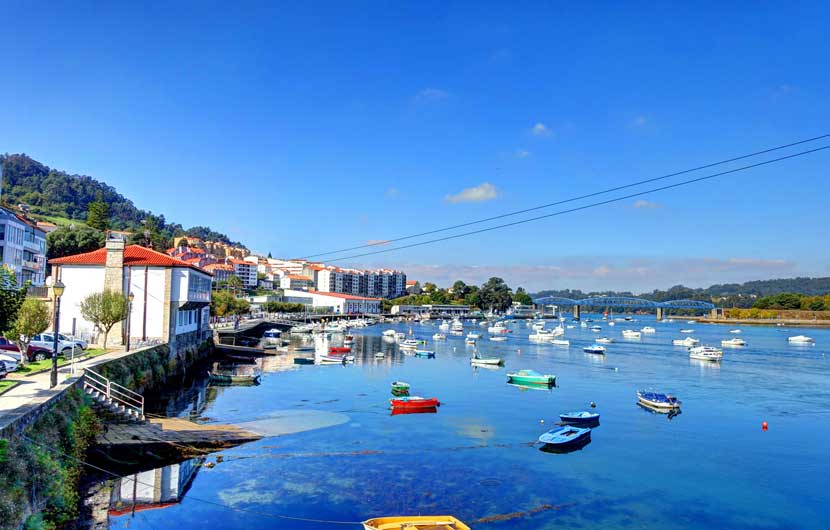
The Atlantic Islands of Galicia Maritime-Terrestrial National Park is a true natural paradise off Spain’s northwest coast.
Known for its unspoiled beaches, clear waters, and rich biodiversity, this park is a must-visit for anyone who loves nature, hiking, or simply relaxing in pristine surroundings.
Location and How to Get There
This stunning national park is located in Galicia, Spain, and consists of four main archipelagos: Cies Islands, Ons Islands, Salvora, and Cortegada.
These islands dot the Rias Baixas (lower estuaries) and are only accessible by boat.
Getting There from Major Cities:
- From Vigo (Cies Islands): Vigo is the primary gateway. Ferries run daily during the high season (spring and summer) to the Cies Islands. It’s just a 40-minute ride.
- From Bueu (Ons Islands): Take a short ferry ride from this charming coastal town.
- From Santiago de Compostela (70 km): Drive or take a train to Vigo or Bueu (1–1.5 hours), then catch a ferry.
- From A Coruña (150 km): A 2-hour drive or train ride to Vigo will get you close to the park.
- By Plane: The closest airport is Vigo Airport (VGO), which has connections to major Spanish cities like Madrid and Barcelona.
Location and How to Get There
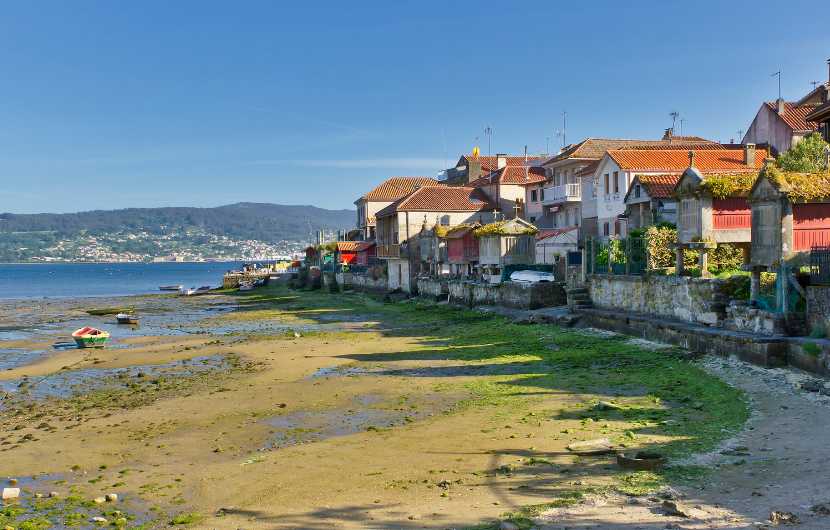
This stunning national park is located in Galicia, Spain, and consists of four main archipelagos: Cies Islands, Ons Islands, Salvora, and Cortegada.
These islands dot the Rias Baixas (lower estuaries) and are only accessible by boat.
Getting There from Major Cities:
- From Vigo (Cies Islands): Vigo is the primary gateway. Ferries run daily during the high season (spring and summer) to the Cies Islands. It’s just a 40-minute ride.
- From Bueu (Ons Islands): Take a short ferry ride from this charming coastal town.
- From Santiago de Compostela (70 km): Drive or take a train to Vigo or Bueu (1–1.5 hours), then catch a ferry.
- From A Coruña (150 km): A 2-hour drive or train ride to Vigo will get you close to the park.
- By Plane: The closest airport is Vigo Airport (VGO), which has connections to major Spanish cities like Madrid and Barcelona.
Fascinating Facts About the Park
- Size and Scope: The park spans 8,480 hectares, of which 86% is marine, making it a haven for underwater explorers.
- Protected Status: Established in 2002, it’s Spain’s only national park that combines terrestrial and marine ecosystems.
- The “Galician Caribbean”: The Cies Islands are famous for Praia de Rodas, often voted one of the world’s best beaches.
- Rich History: The islands have been inhabited since Roman times and were once a base for pirates!
- Sustainability: Visitor numbers are capped to protect the fragile ecosystem, ensuring the park remains unspoiled.
Best Times to Visit
The park is open year-round, but access to the islands depends on the season and weather. Here’s when YOU should visit:
- Spring (April to June): Perfect for hiking and birdwatching, with pleasant weather and blooming flora.
- Summer (July to September): High season for beachgoers and snorkelers. Be sure to book ferries and accommodations well in advance!
- Autumn (October to November): Cooler temperatures, fewer crowds, and an excellent time to enjoy the tranquil beauty of the islands.
- Winter (December to March): The islands are quieter, with limited access and fewer ferry services, but a magical time for solitude and photography.

Best Things to See and Visit
- Praia de Rodas (Cies Islands): Often called "the best beach in the world," this crescent-shaped beach boasts white sands and turquoise waters.
- Monte Faro Lighthouse (Cies Islands): A rewarding hike with panoramic views of the Atlantic Ocean and surrounding islands.
- Ons Lighthouse (Ons Islands): A scenic trek to this iconic lighthouse offers breathtaking views of the rugged coastline.
- Cortegada’s Forest: Home to one of Europe’s largest laurel forests, perfect for quiet nature walks.
- Salvora’s Virgin Beaches: A secluded escape accessible only on guided tours.
- Seabird Colonies: Both Cies and Ons are crucial breeding grounds for seabirds like the yellow-legged gull and shag.
Wildlife: Animals and Birds You Can Spot
The Atlantic Islands are a biodiversity hotspot with something for every nature enthusiast:
- Marine Life: The waters are teeming with dolphins, octopuses, starfish, and colourful fish.
- Birds: Over 15,000 seabirds, including puffins, storm petrels, and cormorants, nest here. It’s a birdwatcher’s paradise.
- Reptiles and Amphibians: The islands are home to species like the Iberian lizard and tree frogs.
- Flora: Explore endemic plants and rare species like sea daffodils and salt marsh vegetation.
Insider Tips for Visiting
- Book in Advance: Access to the islands is limited, so reserve ferry tickets and accommodation early, especially in summer.
- Wear Proper Shoes: Hiking trails can be rocky. Comfortable walking shoes are essential.
- Pack Smart: Bring sunscreen, water, snacks, and a hat. There are limited facilities on the islands.
- Explore the Underwater World: Don’t forget your snorkelling gear to see the vibrant marine life.
- Start Early: The islands are at their most peaceful in the morning before day-trippers arrive.
- Leave No Trace: Follow the park’s strict rules on waste and conservation to keep this ecosystem pristine.
Entry Costs
- Park Access: Entry to the national park is free, but visitor permits are required for the Cies and Ons Islands. These can be obtained online or via ferry operators.
- Ferry Tickets: Round-trip fares range from €16 to €25 for adults, depending on the route and season.
- Guided Tours: Specialised tours (diving, kayaking, or guided hikes) may cost an additional €20 to €80, depending on the activity.
Guided Tours and Where to Book
Guided tours are highly recommended to make the most of your visit. Options include:
- Hiking Tours: Learn about the park’s history, geology, and ecosystems while exploring its trails. Book through local operators or online platforms like Get Your Guide, and Civitatis.
- Boat Tours: Explore the marine areas with glass-bottom boats, kayaking excursions, or snorkelling trips. Many depart from Vigo and Bueu.
- Cultural Tours: Discover the legends and history of the islands, including ancient ruins and pirate lore.
- Diving Experiences: Dive into the park’s underwater world with licensed diving schools in Vigo or Bueu.