

Northern Spain offers extraordinary cultural, culinary and natural diversity for visitors within its four main regions: Galicia, Asturias, Cantabria and Basque Country.
Each area provides unique attractions and beauty spanning lush forests to rugged coastlines.
Galicia is one of the best places to visit in Northern Spain. The stunning city of Santiago de Compostela draws pilgrims to its ornate cathedral and lively old town.
Seaside towns like A Coruna punctuate the wild, rocky coastline while vineyards thrive inland.
Asturias captivates with its mountain wilderness and vibrant cities like Oviedo which blends pretty plazas with pre-Romanesque architecture. Trying cider poured from great heights is a must.
Cantabria flaunts elegant belle epoque beach towns like Santander and Santillana del Mar alongside spectacular caves and the towering Picos de Europa mountains.
The cute capital of Santander provides a gateway to quiet coastal villages and lush nature reserves perfect for hiking.
The Basque Country tempts with fantastic food from San Sebastian, a world-class culinary capital.
Vitoria's medieval old town and show-stopping modern Guggenheim Museum in Bilbao demonstrate the region's diversity.
Basque Country coastal villages like Getaria and Zumaia lend charm.
From the peaks of the Picos de Europa to the tapas bars of San Sebastian, northern Spain promises astonishing culture, nature and cuisine of the typical Spanish tourist trail but worth discovering.
Bilbao

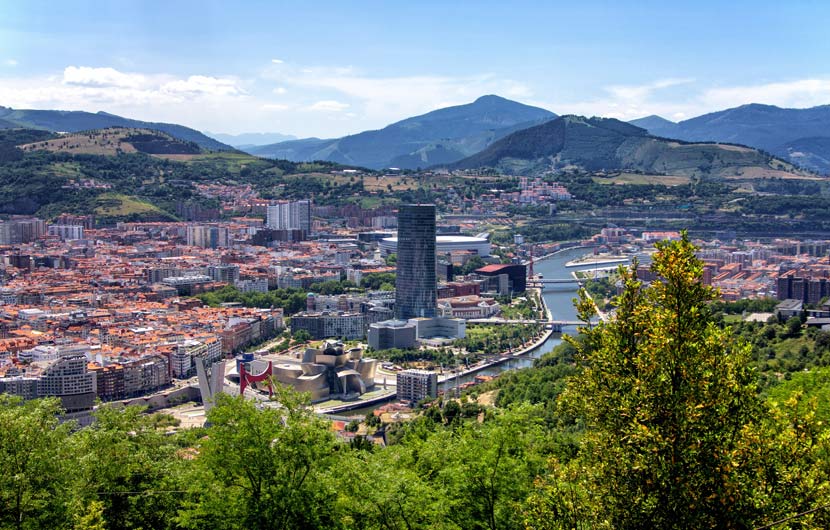
Bilbao is set amid green hills where the Nervion River meets the Bay of Biscay. Once focused on heavy industries like shipbuilding, today Bilbao has transformed into a cultural and architectural gem where historic sites mingle with modern masterpieces.
The city is most famous for the Frank Gehry-designed Guggenheim Museum, an architectural marvel clad in curving titanium that draws art aficionados from around the world.
Antoni Gaudí also left his mark with buildings like the Algoibar House. Casco Viejo, the atmospheric medieval quarter, charms with bustling plazas and pintxos bars crowding its narrow lanes.
Bilbao enjoys an outstanding dining scene centred around the countless pintxos bars offering creative bite-sized creations and Txakoli wine.
The city provides easy access to the Rioja wine region to sample its famed Tempranillos. Outdoor life thrives along the scenic Nervión River threading through town.
While smaller than Spain’s major hubs, Bilbao provides huge cultural offerings with galleries and museums showcasing everything from maritime history to fine arts.
World-class architecture, both historic and modern, makes exploring Bilbao's neighbourhoods an architectural feast for the eyes.
With its seamless blend of culture, cuisine and natural beauty, Bilbao emerges as one of Spain’s most compelling and progressive cities.
The colourful La Salve Bridge is sure to catch your eye, and once you cross it to the other side of the river, you will be right by the entrance to the famous Guggenheim Museum Bilbao. This is one of the most famous attractions in the entire city, so don’t miss a chance to explore it.
Next up, you will definitely want to see the gorgeous stained glass windows at the Abando Train Station, which depict parts of the city’s history.
Consider taking an evening stroll through the Doña Casilda Iturrizar Park, which is filled with walking paths, statues and fountains.
Cantabria

Spain's northern Cantabria region hugs the Bay of Biscay, stretching from the towering Picos de Europa mountains to vibrant seaside towns dotted along the coast.
With its abundance of nature, culture and cuisine, Cantabria entices visitors seeking an authentically Spanish experience away from major tourist hubs.
The quaint capital, Santander, boasts an elegant waterfront promenade, a lively old town, and excellent museums like the Cantabria Maritime Museum honouring the region's shipbuilding heritage.
Nearby, Santillana del Mar enchants with stone architecture, which earned it a 'town of historical importance' designation.
Cantabria's rugged shoreline provides opportunities for beachgoing, surfing, and coastal hikes to picturesque whitewashed fishing villages. Inland, the jagged limestone peaks of the Picos de Europa offer spectacular hiking and mountain refuges.
Descend into the magical Cuevas de El Soplao, a complex of caves adorned with geological formations.
Cantabria's rich natural bounty translates to excellent regional cuisine. Try smoked anchovies, sobaos, sweet pastries, and hearty stews that use fresh meat, seafood and produce from this lush corner of Spain.
With an alluring blend of history, culture, cuisine and outdoor adventure set amid stunning landscapes, Cantabria provides a chance to experience a more authentic side of Spain.
Asturias

The verdant Principality of Asturias enchants visitors with its wild landscapes, fabulous food and drink, and traces of an ancient Celtic past.
With Spain’s highest coastal mountains and a scenic shoreline dotted with fishing villages, Asturias promises pure natural magic.
The capital, Oviedo, displays elegant palaces and lively cider bars around its beautifully preserved medieval core.
Towering mountain ranges like the Picos de Europa contain excellent hiking trails past glacial lakes and soaring peaks. The plunging Cares River gorge threads through mountains over a mile high in places.
Asturias’ wild coastline yields delicious seafood, especially pintxos of just-caught octopus and shrimp. Inland, the region’s legendary bean and meat stew known as fabada asturiana warms body and soul.
Don't leave without sampling Asturias' famous cider, poured from bottles held overhead to aerate the dry, funky brew in proper sidreria fashion.
From prehistoric cave art to crumbling Roman ruins, Asturias’ history and culture come alive. Quaint coastal villages like Cudillero and Llanes resemble the colourful fishing hamlets of the Basque Country further east.
With its own distinct traditions and landscapes, Asturias unveils a unique corner of natural and cultural riches that is waiting to be discovered in northern Spain.
Galicia

Galicia enchants visitors with its rugged Atlantic coastline, famed pilgrimage route, and traces of Celtic heritage that infuse its architecture and bagpipes. The remote landscapes here feel far removed from Spain's sun-baked southern coasts.
Santiago de Compostela draws pilgrims from across the globe to its lavishly decorated cathedral honouring the apostle Saint James.
Visitors also flock to Galicia's sublime beaches and charming medieval towns like Pontevedra, nestled into the Rías Baixas ria inlets. Quaint coastal villages pepper the coast, from fishing hamlets to beach resort towns.
Galicia's cold, deep Atlantic waters yield extraordinary seafood, from spider crab to goose barnacles.
Albarino white wines grown near the coast have put Galicia on the viticulture map for their balanced fruit and acidity.
Locals wash down piles of steamed mussels and shrimp with refreshing glasses of crisp white wine.
Ancient Celtic traditions woven into Galicia's music, dance, bagpipes and superstitions reveal its shared roots with neighbouring Celtic nations Ireland, Scotland, Wales and Brittany in France.
With its fusion of incredible coastal and mountain scenery, heady seafaring culture and singular traditions, Galicia offers travellers an enchanting look into Spain's mystical northern soul.
La Rioja

The Rioja region, located in northern Spain, is renowned worldwide for its exceptional wine production, breathtaking landscapes, and rich cultural heritage.
Here's an overview of this captivating region:
Wine Heritage: Rioja is synonymous with fine wine. It's one of Spain's most celebrated wine regions, known for its red wines made primarily from Tempranillo grapes.
Rioja wines are categorised into several quality levels, including Crianza, Reserva, and Gran Reserva, each representing different ageing requirements.
The region is dotted with prestigious wineries, known as bodegas, where visitors can explore centuries-old cellars and indulge in wine tastings.
Scenic Beauty: Beyond its vineyards, Rioja boasts stunning natural scenery. The Ebro River meanders through the region, flanked by picturesque towns and rolling hills covered in vineyards.
The Camino de Santiago pilgrimage route also crosses through Rioja, attracting hikers and history enthusiasts.
Charming Towns: Rioja is home to charming towns and cities, such as Logroño, the regional capital, known for its lively atmosphere and tapas bars.
Haro, the wine capital of Rioja, hosts the famous Batalla del Vino (Wine Battle) each year. Briones and Laguardia are enchanting medieval villages with well-preserved architecture.
Culinary Delights: Rioja's gastronomy perfectly complements its wines. The region is famous for its succulent lamb dishes and a wide range of local produce, including peppers, asparagus, and artichokes.
Dining in a traditional Riojan restaurant is an opportunity to savour the flavours of Spain's northern cuisine.
Culture and Festivals: Rioja is steeped in cultural traditions, with festivals and events celebrating the region's heritage.
The Batalla del Vino, mentioned earlier, is a unique wine fight where participants douse each other with wine. Rioja also hosts numerous wine-related festivals and cultural events throughout the year.
Rioja is a captivating destination that caters to wine aficionados, nature lovers, history buffs, and food enthusiasts alike. Its unique blend of wine culture, natural beauty, and cultural heritage makes it a must-visit region in Spain.
Navarra

Navarra captures the essence of diversity and scenic beauty. It's a place where vibrant cultures, stunning landscapes, and a rich tapestry of traditions converge.
The Navarra region is a mosaic of landscapes. To the north, the majestic Pyrenees Mountains paint a dramatic backdrop with verdant valleys, beckoning hikers and nature enthusiasts. In contrast, the southern region transforms into a fertile plain, where vineyards and orchards thrive in the Mediterranean climate.
The region is celebrated for its wine production, notably its acclaimed rosé wines crafted from Garnacha grapes.
Here, you can explore local wineries, known as bodegas, where tastings offer a delightful journey through the region's winemaking heritage. Complementing the wines, Navarra's cuisine is a treat for the senses, featuring traditional dishes like Pochas a la Navarra and the flavorful Chistorra sausage.
Pamplona, the capital of Navarra, is a city steeped in history. Its medieval old town, enveloped by ancient walls, exudes an enchanting charm.The Pamplona Cathedral, a striking example of Gothic architecture, is a prominent landmark.
Beyond its urban treasures, Navarra showcases the mesmerising Bardenas Reales, a semi-desert region designated as a UNESCO Biosphere Reserve. Its arid landscapes, reminiscent of cinematic westerns, draw photographers and adventure seekers.
Navarra celebrates its rich cultural heritage through a myriad of festivals. The San Fermín festival is just the tip of the iceberg, with traditional music, dance, and folklore events that honour the region's Basque and Navarrese roots.
Navarra's tapestry of natural beauty, cultural depth, and culinary excellence offers an authentic Spanish experience. Whether you seek outdoor adventures, cultural immersion, or simply a taste of the local way of life, Navarra welcomes you with open arms, inviting you to explore its captivating tapestry.
The Cities of Northern Spain

Here are the main cities located within the regions of Northern Spain:
Bilbao (Basque Country): Bilbao is the largest city in the Basque Country and is renowned for its modern architecture, most notably the Guggenheim Museum. The city is an industrial and cultural hub with a vibrant arts scene and a thriving culinary tradition.
Vitoria-Gasteiz (Basque Country): As the capital of the Basque Country, Vitoria-Gasteiz is known for its well-preserved medieval old town and green spaces. It's often cited as one of the greenest cities in Europe.
San Sebastian (Basque Country): San Sebastian, or Donostia in Basque, is certainly one of the best places to visit in Northern Spain. It is famous for its stunning beaches, culinary excellence, and the annual San Fermín festival. Its picturesque old town and beautiful La Concha Beach are major attractions.
Pamplona (Navarra): Pamplona is famous for the San Fermín festival and its historic old town. It's a city steeped in tradition and history, with a charming atmosphere.
Logrono (La Rioja): As the capital of La Rioja, Logroño is at the heart of Spain's wine country. The city is known for its tapas culture and is a great base for exploring the local wineries.
Oviedo (Asturias): Oviedo is the capital of Asturias and is celebrated for its historic architecture and lively arts scene. It's a city where tradition meets modernity.
Gijón (Asturias): Gijón is Asturias' largest city and offers a vibrant coastal experience with beautiful beaches and a thriving nightlife.
Santander (Cantabria): Santander is a picturesque coastal city with elegant architecture, beautiful beaches, and a relaxed atmosphere. It's a popular destination for beachgoers and tourists.
A Coruna (Galicia): A Coruña, or La Coruña, is known for its stunning waterfront promenade, historic old town, and the Tower of Hercules, a Roman lighthouse and UNESCO World Heritage site.
Santiago de Compostela (Galicia): Santiago de Compostela is the spiritual and cultural heart of Galicia, famous for its cathedral and the Camino de Santiago pilgrimage route. Its historic old town is a UNESCO World Heritage site and one of best places to visit in Northern Spain.
Best Places To Say in Northern Spain

Whether you seek cultural immersion, natural beauty, or coastal relaxation, Northern Spain has something for everyone.
Here is our pick of the best places to stay in Northern Spain:
San Sebastian:
Nestled along the Bay of Biscay, San Sebastian, or Donostia in Basque, is a coastal jewel celebrated for its exquisite beaches, including La Concha and Zurriola.
The city's crown jewel is its Old Town, where narrow cobblestone streets lead to delightful pintxos (tapas) bars, showcasing the Basque culinary prowess.
San Sebastian is an ideal destination for beach lovers, foodies, and those seeking a cultural and culinary odyssey.
Bilbao:
Bilbao, the largest city in the Basque Country, has undergone a remarkable transformation from an industrial hub to a cultural epicentre.
The iconic Guggenheim Museum, designed by architect Frank Gehry, has become a symbol of modern architecture and contemporary art. Beyond the museum, explore the lively neighbourhoods, sample Basque cuisine at local restaurants, and stroll along the banks of the Nervión River.
Santiago de Compostela:
The capital of Galicia, Santiago de Compostela, is synonymous with the Camino de Santiago, a medieval pilgrimage route that culminates at its stunning cathedral.
The historic old town is a UNESCO World Heritage site, boasting charming squares, centuries-old buildings, and a vibrant atmosphere.
Pilgrims and travellers alike are drawn to the city's spiritual and cultural allure.
Santander:
Santander, the capital of Cantabria, is an elegant coastal city offering a perfect blend of urban sophistication and natural beauty.
Playa del Sardinero is a pristine beach where you can soak in the sun, while the Palacio de la Magdalena, a grand palace overlooking the bay, is a testament to the city's aristocratic past.
Logrono:
As the capital of La Rioja, Logroño is the epicentre of Spain's renowned wine region. The historic centre is a labyrinth of charming streets where you can enjoy exquisite tapas and local wines. Stroll along Laurel Street, known as the "Path of the Elephants," and savour the tastes of La Rioja's cuisine.
Pamplona:
Pamplona, the capital of Navarra, is famous for the San Fermín festival and its exhilarating Running of the Bulls.
The city's historic quarter is a treasure trove of Gothic architecture, including the Pamplona Cathedral. Beyond the festival, Pamplona offers a rich cultural experience, making it a compelling destination year-round.
Oviedo:
The capital of Asturias, Oviedo, is a city of contrasts. Its historic old town is a testament to centuries of history, with striking architecture and charming squares. The city's modern side boasts a vibrant arts scene, world-class restaurants, and a welcoming atmosphere.
Bardenas Reales:
This semi-desert region in Navarra is a geological wonderland characterized by eerie rock formations and rugged landscapes.
Bardenas Reales is a paradise for adventure seekers, offering opportunities for hiking, biking, and photography.
Rías Baixas:
In the heart of Galicia, Rías Baixas is a coastal haven defined by its picturesque rías (estuaries) and vineyard-covered hillsides.
The region's Albarino wines are celebrated, and visitors can explore charming seaside towns like Sanxenxo and Combarro while indulging in fresh seafood.
Picos de Europa:
Spanning multiple regions, the Picos de Europa mountain range is a haven for nature enthusiasts.
Towering peaks, lush valleys, and pristine lakes define this stunning natural landscape.
Hiking, wildlife watching, and exploring traditional mountain villages are among the many activities available.
Recommended Hotels in Northern Spain

Luxury Hotels:
- Hotel Maria Cristina (San Sebastián): This iconic luxury hotel, part of the Marriott Luxury Collection, exudes elegance and is located in the heart of San Sebastián. Guests enjoy opulent rooms, gourmet dining, and views of the Urumea River.
- Gran Hotel Domine Bilbao: Situated next to the Guggenheim Museum, this 5-star hotel combines contemporary design with comfort. Its rooftop terrace offers panoramic views of the city.
- Parador de Santiago de Compostela: A historic Parador (luxury state-run hotel) located next to Santiago de Compostela Cathedral, this establishment is steeped in history and offers lavish rooms and top-notch dining.
Mid-Range Hotels:
- Sercotel Hotel Las Rocas (Santander): Overlooking the Bay of Biscay, this mid-range hotel provides comfortable rooms with sea views. It's an excellent choice for travellers seeking affordability and a beachfront location.
Budget-Friendly:
- Albergue Jakue (Pamplona): Pilgrims and budget-conscious travellers can find comfortable accommodations at this pilgrim hostel in Pamplona. It's a great choice for those walking the Camino de Santiago.
Best Beaches in Northern Spain
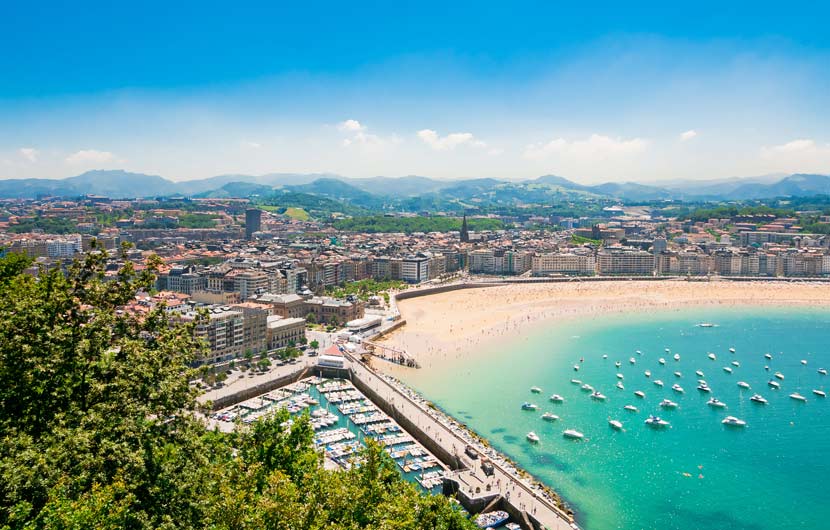
- La Concha Beach (San Sebastian): La Concha is renowned for its pristine crescent shape, soft sands, and crystal-clear waters. It's ideal for swimming and water sports while offering views of the city and the Urgull and Igeldo mountains.
- Zurriola Beach (San Sebastian): Known for its surf-friendly waves, Zurriola attracts surfers from around the world. The beach is lively and has a youthful atmosphere, making it a hotspot for beachgoers.
- Playa de Orzan (A Coruna): A spacious urban beach with fine golden sand, Orzán is perfect for long walks and sunbathing. The beach promenade offers a range of dining options and bars.
- Playa de las Catedrales (Ribadeo): This beach is famous for its unique rock formations and natural arches. During low tide, visitors can explore these geological wonders.
- Playa de Somo (Santander): Somo Beach is a haven for surfers, known for its consistent waves and surf schools. The long stretch of sandy shore is perfect for beach games and relaxation.
- Playa de Gulpiyuri (Llanes): A hidden gem, Gulpiyuri Beach is an inland beach with freshwater from underground streams. It's a surreal and beautiful spot for a unique beach experience.
- Playa de Silencio (Cudillero): Also known as "Silent Beach," this secluded cove is surrounded by cliffs and offers a tranquil escape. It's a great place for a peaceful swim and enjoying the rugged beauty of Asturias.
- Playa de Noja (Noja): Located in Cantabria, Noja Beach is known for its family-friendly atmosphere, golden sands, and clear waters. Water sports enthusiasts can enjoy activities like windsurfing and kayaking.
- Praia das Catedrais (Ribadeo): This Galician beach is famous for its breathtaking rock formations and natural arches. Visitors can explore these geological wonders during low tide.
- Playa de Samil (Vigo): Samil Beach in Vigo is a popular urban beach with fine sands and a wide range of facilities. It's an excellent place for families to relax and enjoy the sea.
- Playa de Rodas (Cíes Islands): Often called one of the best beaches in the world, Rodas Beach offers stunning white sands and clear turquoise waters in the Cíes Islands, part of the Galician coast.
- Playa de Los Quebrantos (San Juan de la Arena): Located in Asturias, Los Quebrantos Beach is known for its wild beauty, rocky formations, and surfing conditions.