


Aragon
Travel Guide
Aragon is the kind of place that quietly amazes you. It’s not shouting for attention like some of Spain’s bigger tourist spots, but that’s exactly what makes it so special. The moment someone arrives, they realise they’ve stepped into a region that feels undiscovered, wild, and wonderfully authentic.
Zaragoza, the capital, is a great starting point. Standing in Plaza del Pilar, looking up at the enormous basilica, there’s a real sense of grandeur. But it’s not just about the famous landmarks—the real magic is in the details. Wandering along the Ebro River at sunset, finding a tucked-away tapas bar where locals argue over football while sipping vermouth, or stumbling across a tiny Mudejar-style church that’s just as beautiful as anything in Andalusia.
Further into Aragon, the landscapes start playing tricks on you. One moment, it’s rolling green valleys, the next, it’s the rugged, almost otherworldly beauty of the Mallos de Riglos, where massive rock formations tower over sleepy villages. And then there’s Albarracin—a medieval town so perfectly preserved it feels like a film set, with pink-hued houses stacked along narrow, winding streets.
But Aragon isn’t just about picture-perfect sights; it’s about feeling connected to something ancient. Whether it’s exploring the abandoned monasteries of the Pyrenees, standing in awe of the sheer scale of Loarre Castle, or hearing the eerie silence of the Bardenas Reales desert, this is a place that surprises you at every turn.
There’s something deeply special about Aragon, a place where history, nature, and tradition all blend together. And the best part? It still feels like a secret.
Natural Wonders of Aragon:
Nature enthusiasts will be drawn to Aragon's stunning landscapes, ranging from the majestic Pyrenees mountains to lush valleys and serene lakes.

The Ordesa and Monte Perdido National Park, also a UNESCO World Heritage Site, offers breathtaking hikes amidst impressive cliffs, waterfalls, and a huge variety if diverse flora and fauna.
The region is also home to the stunning Moncayo Natural Park, known for its diverse ecosystems and the iconic Moncayo Mountain.
For Adventure Seekers:
For thrill-seekers, Aragon offers a wide array of outdoor activities, from skiing in the Pyrenees during the winter to hiking, rock climbing, and white-water rafting during the warmer months.
The region's diverse landscapes provide the perfect backdrop for an adrenaline-packed adventure.
Charming Villages and Towns:
Exploring Aragon means immersing yourself in picturesque villages and towns that seem untouched by time.
Albarracin, known for its medieval architecture and narrow streets, is often referred to as one of the most beautiful villages in Spain.
Ainsa, in the heart of the Pyrenees, is a charming village full of historic charm through its well-preserved buildings and stunning Plaza Mayor.
Interesting Facts About Aragon Spain

- Aragon is renowned for its Mudejar architecture, a unique style that emerged during the Christian rule of Muslim territories. This architectural fusion showcases intricate geometric designs, brickwork, and ornate decorations.
- With more than 200 castles, Aragon is often referred to as the "Land of Castles." These fortresses and strongholds tell tales of the region's medieval history and its strategic importance during conflicts between Christians and Moors.
- The world-famous painter Francisco de Goya was born in the small village of Fuendetodos in Aragon. His art has left an indelible mark on Spanish culture, and visitors can explore his legacy at the Goya Museum in Zaragoza.
- Aragon is known for its traditional folk music, especially the Jota. Known as the “courtship dance”, this lively and rhythmic music is often accompanied by intricate dance routines. The Jota Festival, held in various towns, showcases this unique cultural aspect of the region.
- In contrast to its mountainous regions, Aragon is also home to the Monegros Desert. This semi-arid area offers a unique landscape of sand dunes, shrublands, and distinct flora and fauna, creating an unexpected desert experience in Spain.
- The town of Calanda in Aragon is renowned for its unique Holy Week tradition known as the "Drumming of Calanda." Or “Ruta del Tambor”
- On Good Friday, thousands of drummers take to the streets, creating an intense and mesmerising rhythm that resonates throughout the town and has become an internationally recognised event.
Historic Routes:

Aragon is traversed by several historic routes, including those of the famed Camino de Santiago and the Way of Saint James.
These well-trodden routes offer pilgrims and travellers the opportunity to explore the region's landscapes, culture, and heritage while embarking on a spiritual journey.
Festivals and Traditions:
Aragon's vibrant culture comes to life through its numerous festivals and traditions.
The region hosts colourful and lively events such as the Fiestas del Pilar in Zaragoza, a week-long celebration in honour of Our Lady of the Pillar, and the Festival Internacional de las Culturas Pirineos Sur, a music and cultural festival in the Pyrenees.
Gateway to the Pyrenees:
Aragon is a gateway to the majestic Pyrenees mountains, making it an ideal starting point for those seeking mountain adventures.
The Pyrenees offer an abundance of outdoor activities, from skiing and snowboarding in winter to hiking and mountaineering in the summer.
Unique Architecture:
Aragon boasts a blend of architectural styles, from Roman and Moorish influences to Gothic and Renaissance designs.
The Mudejar architecture, a unique style that developed under Christian rule, is particularly prominent in the region, evident in structures such as the Aljafería Palace.
Best Things To Do In Aragon

Visit the Aljaferia Palace in Zaragoza:
Explore the stunning Aljaferia Palace, a UNESCO World Heritage Site in Zaragoza. This historic fortress-palace is a prime example of Mudejar architecture, blending Islamic and Christian influences.
Wander through its beautifully decorated halls, courtyards, and gardens, while learning about its fascinating history.
Admission prices range from €5 to €7.
Explore the Ordesa and Monte Perdido National Park:

Discover the natural beauty of Aragon at Ordesa and Monte Perdido National Park.
Located in the Pyrenees Mountains, this park boasts breathtaking landscapes, including waterfalls, lush forests, and high mountain peaks.
Here, you can hike various trails, such as the Ordesa Valley, to witness the region's diverse flora and fauna.
Entry is typically free.
Recommended Guided Tour: Ordesa National Park Guided Snowshoeing Tour:
Visit Teruel's Lovers Mausoleum:
Visit the Teruel Lovers Mausoleum, a romantic landmark dedicated to a tragic love story from the 13th century.
The stunning Mudejar architecture of this mausoleum is a testament to the artistic prowess of the region. Discover the tale of Diego and Isabel and admire the intricate details of the building.
Entry fees are around €3.
Guided Tour: Teruel Lovers Mausoleum
Discover the Monasterio de Piedra Natural Park:
Immerse yourself in the enchanting Monasterio de Piedra Natural Park, located near Nuevalos.
Wander through lush gardens, caves, and waterfalls within the grounds of an ancient monastery.
Explore the Mirror Lake and marvel at the stunning Nuestra Señora de la Piedra Monastery.
Explore the Medieval Village of Albarracin:

Step back in time by visiting the medieval village of Albarracín.
Nestled atop a hill, this picturesque town features narrow streets, ancient buildings, and a well-preserved fortress.
Stroll through the charming alleys, admire the Cathedral of El Salvador, and take in panoramic views.
Enjoy a Weekend Getaway in Zaragoza:
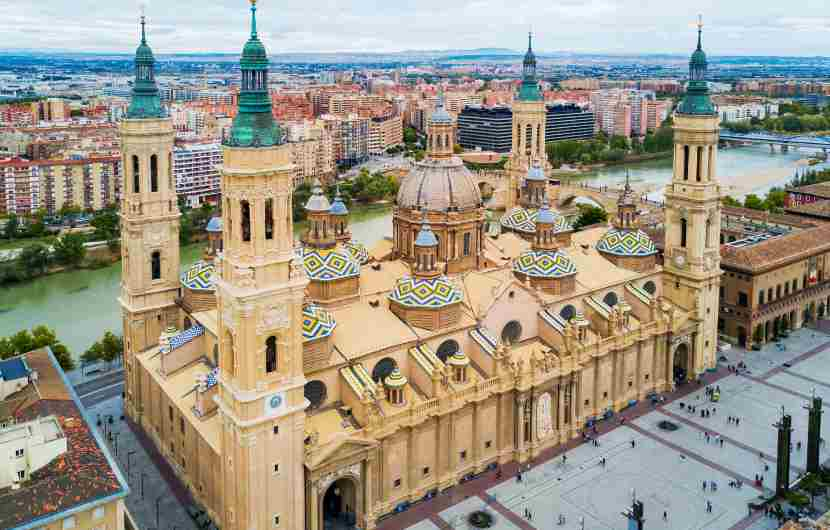
Experience a captivating weekend in Zaragoza, Aragon's historic and very impressive capital.
Start with the remarkable Basilica de Nuestra Senora del Pilar, a riverside marvel. Wander Plaza del Pilar's lively surroundings.
Explore La Seo Cathedral's Gothic and Mudejar architecture and Aljaferia Palace's multicultural heritage.
Stroll along the Ebro River's banks, enjoying serene views and iconic bridges.
Dive into Zaragoza's culinary scene, tasting the delicious tapas such as migas and chicken chilindron.
Head to the busy El Tubo district of the city to discover diverse tapas bars and welcoming restaurants.
For a lively night, visit Calle de las Armas, known for its bars and clubs.
Visit the Monasterio de San Juan de la Pena:
Journey to the Monasterio de San Juan de la Pena, an iconic religious site near Jaca.
Explore its unique location nestled into the cliffs and learn about its historical significance as a religious and cultural center.
Enjoy the Romanesque architecture and the surrounding views.
Admission prices vary, starting from €7.50
Visit Tarazona Cathedral:
Explore the Tarazona Cathedral, a stunning Gothic and Mudejar masterpiece in the town of Tarazona.
Admire its intricate façade, ornate interior, and intricate woodcarvings. Don't miss the impressive cloister and its sculptures.
Entry fees are usually around €4.5

Aragon Gastronomy

Here are nine famous dishes, foods, wine, and cheese from the Basque Country:
- Ternasco: This traditional Aragonese dish is made from roasted baby lamb seasoned with local herbs and spices. It's a delicacy enjoyed by locals and visitors alike.
- Migas: A hearty dish made from breadcrumbs, often accompanied by chorizo, bacon, and fried eggs. It's a popular comfort food in Aragon.
- Chiretas: A unique dish made from sheep's intestine stuffed with rice, vegetables, and spices. It's a traditional delicacy often enjoyed during festivals.
- Somontano Wine: Aragon's wine-producing region, Somontano, is known for its high-quality wines, including reds, whites, and roses. The region offers wine-tasting experiences and beautiful vineyard landscapes.
- Jamon de Teruel: Teruel is famous for its cured ham, similar to the well-known Jamón Iberico. It's a local speciality that's often enjoyed as a tapa.
- Longaniza: A type of sausage made from pork, paprika, and garlic. It's a flavorful staple of Aragonese cuisine, commonly served as part of tapas.
- Truffle-based Dishes: The region is known for its truffles, and dishes like truffle risotto, truffle pasta, and truffle-infused sauces are highly sought after by food enthusiasts.
- Borraja: A traditional vegetable dish made from borraja, a local green plant. It's often cooked with potatoes and garlic, resulting in a flavorful and nutritious meal.
- Queso de Tronchon: A semi-hard cheese made from sheep's milk, Queso de Tronchón has a unique cylindrical shape. It's known for its distinctive flavour and is often enjoyed with local bread.
Getting Around Aragon

Motorways & A Roads:
AP-2: Connects Zaragoza with the Mediterranean coast, including Barcelona.
AP-68: Connects Zaragoza with northern Spain, including Bilbao.
A-2: Major road connecting Madrid with Zaragoza and northeastern Spain.
A Roads (Autovias):
A-23: Connects Zaragoza with the Pyrenees and northeastern Spain.
A-21: Links Zaragoza with the Jaca region in the Pyrenees.
A-22: Connects Huesca with Lleida in Catalonia.
A-1: Connects Zaragoza with Teruel.
Train Stations:
Zaragoza-Delicias: This is the main station in Zaragoza, it is well-connected to various destinations in Spain.
Huesca: Main train station in the city of Huesca.
Teruel: Train station in the city of Teruel.
Airports:
Zaragoza Airport (ZAZ): The main international airport serving Zaragoza and the region.
Huesca-Pirineos Airport (HSK): Located near Huesca, offering domestic flights.
Teruel Airport (TEV): A small airport near Teruel, mainly used for cargo and training flights.
Where To Stay In Aragon

From historic cities to scenic mountain retreats, here are some of the best places to consider when planning your stay in Aragon:
Zaragoza:
As the capital of Aragon, Zaragoza is a vibrant city steeped in history. You can stay in the heart of the city to explore its rich cultural heritage, including the iconic Basilica of Our Lady of the Pillar and the Aljafería Palace. The old town is a fantastic choice for its lively atmosphere and proximity to key attractions.
Huesca:
Nestled in the foothills of the Pyrenees, Huesca is a charming city known for its medieval architecture and scenic surroundings. Staying in Huesca provides easy access to outdoor adventures in the nearby mountains and visits to historical sites like the Huesca Cathedral.
Teruel:
This city is famous for its Mudejar architecture and is a UNESCO World Heritage site. Teruel's historic centre is an excellent place to stay, allowing you to explore its stunning churches, towers, and squares.
Ordesa y Monte Perdido National Park:
For nature enthusiasts, staying near this national park is a must. The park is a UNESCO Biosphere Reserve, offering hiking and outdoor activities amidst breathtaking landscapes.
Albarracín:
Often referred to as one of Spain's most beautiful towns, Albarracín is a medieval gem. Staying in this charming town allows you to wander its cobbled streets, admire its red sandstone buildings, and experience its unique atmosphere.
Benasque:
Located in the heart of the Pyrenees, Benasque is a gateway to outdoor adventures, including hiking, skiing, and mountaineering. This picturesque valley is an ideal base for exploring the surrounding mountains and natural beauty.
Jaca:
Situated in the Pyrenees, Jaca is a historical town with a strong medieval influence. Staying in Jaca gives you access to its impressive fortifications, cathedral, and proximity to the Pyrenean landscapes.
Daroca:
This lesser-known town is a hidden gem with a well-preserved medieval quarter. Staying in Daroca provides an opportunity to immerse yourself in history and savour its tranquil ambience.
Popular Aragon Hotels
Discover the allure of Aragon while enjoying the best value in accommodation options for any budget.
For a touch of luxury, Hotel Exe Boston offers a blend of elegance and comfort, providing an ideal base for exploring Zaragoza.
If you seek mid-range options, Hotel Sauce combines affordability with a prime location in the heart of the city. Budget-conscious travellers can find comfort at Hostal Milmarcos, offering simplicity without compromising on convenience.
In the picturesque town of Albarracin, Hotel Dona Blanca provides an enchanting stay, blending affordability with authenticity.