1. The Cinco Villas
If you’re looking for a road trip that combines colourful history, stunning architecture, and a taste of traditional, authentic Spain, then the Cinco Villas route in the north is just the ticket. This 90-kilometre drive through five historic villages is like stepping into a time machine, where every twist and turn reveals another layer of Spain’s rich past. Trust me, it’s a journey you won’t forget.
I remember starting my adventure in Tauste, a charming little town with a striking Mudéjar-style church that set the tone for what was to come. From there, I headed north to Ejea de los Caballeros, where the medieval castle and Romanesque churches felt like something out of a storybook. I spent hours wandering the cobbled streets, popping into local shops, and chatting with friendly locals happy to share their town’s history.
Next was Sádaba, home to an impressive 13th-century castle looming over the village like a guardian. I’ll never forget standing at the base of its towering walls, imagining the battles and stories they’ve witnessed over the centuries.
But the real showstopper was Uncastillo, a picturesque village that felt like a film set. The Romanesque churches here are some of the best-preserved in Spain, and the views from the hilltop castle are worth the climb. I remember sitting in the square, sipping a café con leche, and feeling completely transported to another era.
Finally, I arrived in Sos del Rey Católico, the birthplace of King Ferdinand II of Aragon. This village is a maze of narrow streets, ancient stone houses, and hidden courtyards. I spent hours exploring its nooks and crannies, each one more enchanting than the last.
If you're looking for accommodation in those areas, please check out these hotels in Zaragoza.
2. Drive from Vielha to Esterri d’Aneu
If you’re the kind of person who loves a road trip that leaves you breathless (and not just from the altitude), then the 42-kilometre drive from Vielha to Esterri d’Aneu in the Spanish Pyrenees is an absolute must. This route is a masterclass in natural beauty, with every twist and turn offering a new, jaw-dropping view of one of Spain’s most stunning landscapes. Trust me, it’s the kind of drive that makes you want to pull over every five minutes just to take it all in.
I remember setting off from Vielha, a cosy little Pyrenean city that feels like it’s been plucked straight out of a storybook. The moment I hit the road, the mountains began to rise around me, their peaks dusted with snow even in the warmer months. The drive takes you over the Bonaigua Pass, and let me tell you, it’s worth every hairpin turn. The views from the top are nothing short of spectacular—endless mountains stretching out in every direction, their slopes covered in lush forests and dotted with wildflowers.
As I descended into the Vall d’Aneu, the landscape shifted, revealing tranquil valleys and crystal-clear rivers. I’ll never forget the moment I caught my first glimpse of Esterri d’Aneu, a charming town nestled in the heart of the valley. It’s the kind of place where time seems to slow down, and you can’t help but feel a sense of peace.
This area is a paradise for nature lovers and hikers. The surrounding national parks are crisscrossed with trails that lead to hidden lakes, ancient forests, and panoramic viewpoints. I spent a day hiking near Aigüestortes i Estany de Sant Maurici National Park, and it was one of the most rewarding experiences of my life.
Whether you’re looking to immerse yourself in Spain’s great outdoors or simply want to soak up some of the most breathtaking scenery the country has to offer, the drive from Vielha to Esterri d’Aneu is an adventure you won’t want to miss.
» Hotels in Lleida.
3. The Basque Coast
If there’s one thing I’ve learned from driving along the Basque Coast, it’s that this part of Spain is all about freedom and discovery. The great thing about this coastline is that you can start anywhere, drive in any direction, and stumble upon places that will leave you speechless. It’s the kind of road trip where you can truly be the master of your own destiny—just follow your instincts and see where the road takes you.
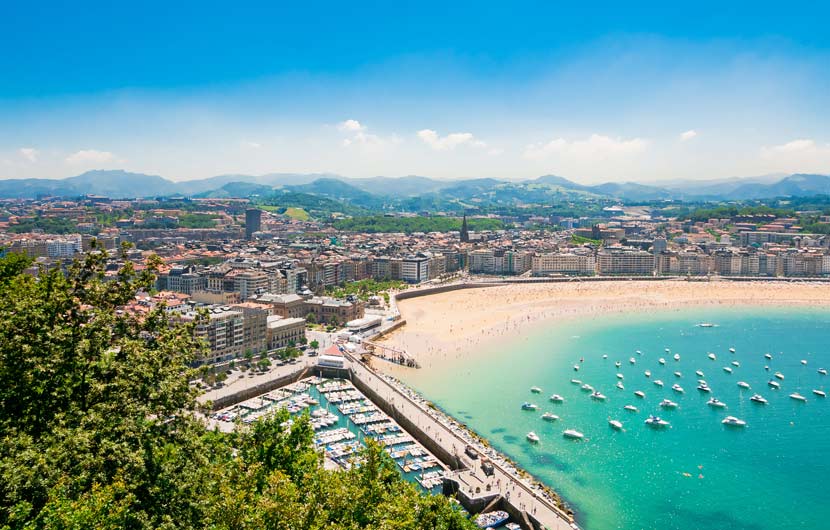
I remember starting my journey in San Sebastian, a city that’s as lively as it is beautiful. The urban beach, Playa de la Concha, is the perfect spot to stretch your legs and soak up the atmosphere before hitting the road. From there, I headed west, following the winding coastal roads that hug the cliffs and offer jaw-dropping views of the Atlantic.
One of my favourite stops was Getaria, a charming fishing village that feels like it’s been frozen in time. I’ll never forget wandering through its narrow streets, past colourful houses and seafood restaurants, before settling down for a plate of grilled fish at a local taverna. The view of the harbour, with its bobbing boats and rugged cliffs, was the perfect backdrop for a lazy lunch.
Further along the coast, I stumbled upon Lekeitio, another gem of a village that’s perfect for a laid-back afternoon. The beach here is stunning, and the old town is a maze of cobbled streets and historic buildings. I spent hours exploring, popping into little shops and chatting with locals who were more than happy to share their stories.
Driving along the Basque Coast is about more than just the destinations—it’s about the journey itself. The dramatic cliffs, the charming villages, the endless sea views—it’s the kind of road trip that stays with you long after you’ve parked the car.
» Hotels San Sebastian
4. Valle del Jerte
If there’s one road trip in Spain that feels like driving through a postcard, it’s the journey through the Valle de Jerte in the north. This 70-kilometre route, following the Rio Jerte along the N110, is a feast for the senses—especially in spring, when the valley transforms into a sea of white cherry blossoms. Trust me, it’s a sight you’ll never forget.
I remember my first time driving through the valley in early spring. When I turned onto the N110, I was greeted by endless rows of cherry trees, their delicate blossoms blanketing the hillsides like fresh snow. It was so breathtaking that I had to pull over just to take it all in. The air was sweet with the scent of flowers, and the sound of the river bubbling alongside the road was like nature’s soundtrack.
But the Valle de Jerte isn’t just about the cherry blossoms (though they’re worth planning your trip around). The valley is surrounded by rugged mountains and dotted with charming villages, each one more picturesque than the last. I stopped in Cabezuela del Valle, a quaint little town with cobbled streets and traditional stone houses, and spent hours wandering through its narrow alleys, popping into local shops and chatting with friendly villagers.
For the adventurous, the valley is a playground of outdoor activities. I’ll never forget the thrill of hiking up to the Cascada de la Desesperada, a stunning waterfall hidden deep in the mountains. The trail was challenging, but the reward—a crystal-clear pool surrounded by lush greenery—was worth every step.
Driving through the Valle de Jerte is more than just a road trip; it’s an immersion into Spain’s natural beauty. Whether you’re here for the cherry blossoms, the hiking trails, or just the joy of the open road, this valley has a way of staying with you long after you’ve left.