


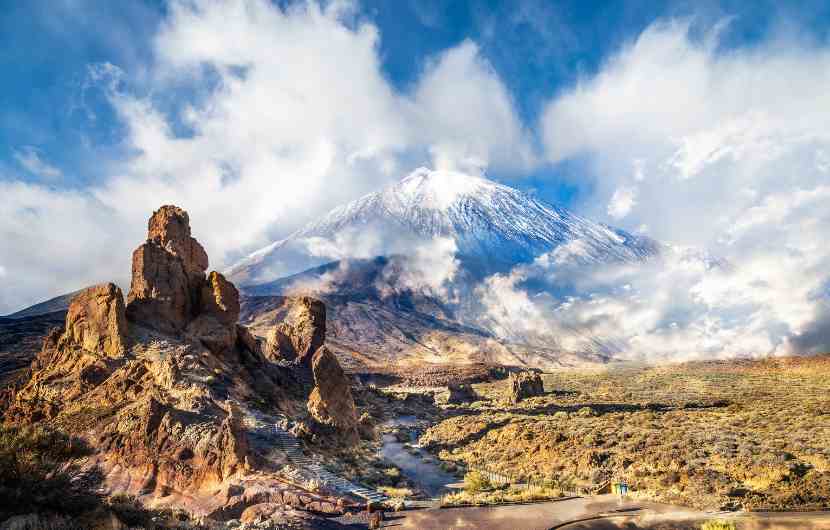
Teide National Park, located on the island of Tenerife in the Canary Islands, is a UNESCO World Heritage Site and a must-visit destination for nature lovers and adventurers.
Home to Mount Teide, the tallest peak in Spain at 3,718 meters (12,198 feet), this park boasts an otherworldly landscape shaped by volcanic activity, offering unique geological wonders and stunning vistas.
Whether you’re seeking challenging hikes, surreal scenery, or simply a peaceful escape, Teide National Park has something for everyone.
Location and Getting There
Teide National Park lies in the heart of Tenerife and is easily accessible from major towns on the island, such as Santa Cruz, La Laguna, and Puerto de la Cruz.
You can reach the park by car via well-maintained roads like the TF-21 from Vilaflor or the TF-24 through La Esperanza.
Public buses, known as "guaguas," also provide transport with dedicated routes to the park. Many visitors opt for guided tours or hire cars for flexibility and convenience.
Fascinating Facts About the Park
Spanning over 18,990 hectares (47,000 acres), Teide National Park is the largest in the Canary Islands. It is centered around Mount Teide, a stratovolcano whose last eruption occurred in 1909.
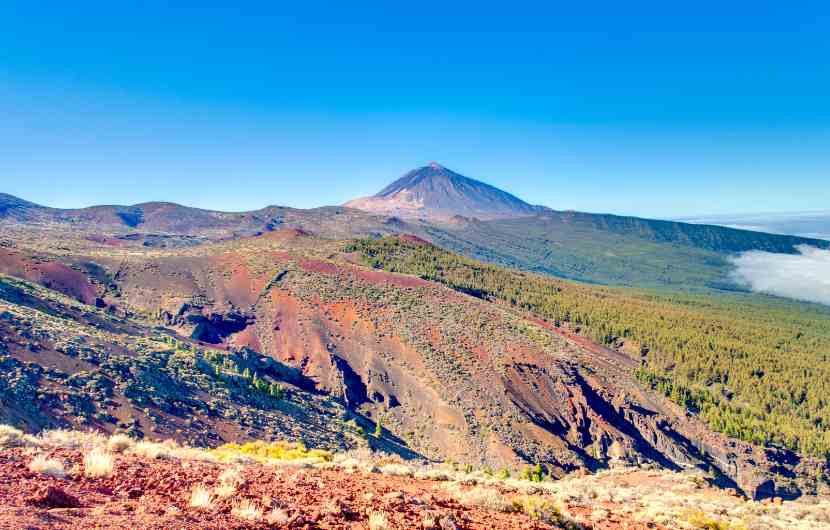
The park’s volcanic terrain features unique formations like lava fields, craters, and ancient calderas, offering a glimpse into Earth’s geological history.
Its altitude and clear skies also make it a prime spot for stargazing, with several observatories nearby.
Best Times to Visit
The park is a year-round destination, but the best times to visit are spring (March to May) and autumn (September to November) when temperatures are mild and crowds are fewer.
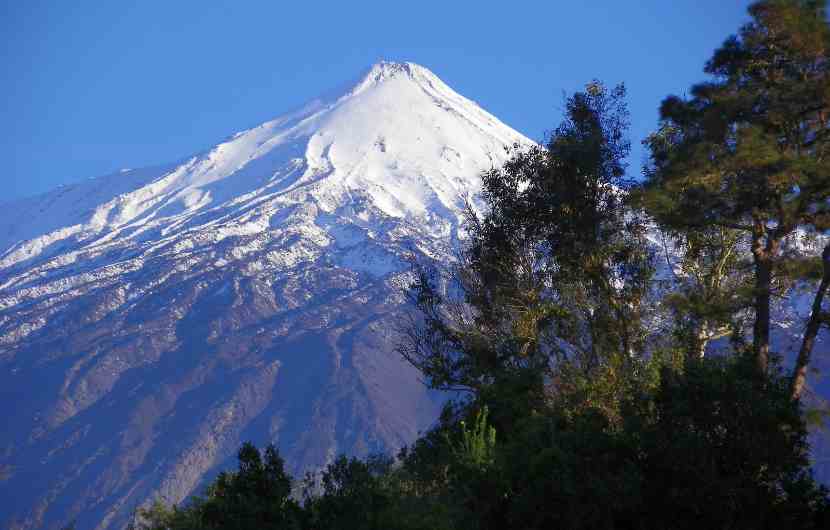
During winter, Mount Teide’s summit is often dusted with snow, creating a striking contrast against the volcanic landscape. Summer brings warmer weather but also more visitors.
Regardless of the season, early mornings or late afternoons are ideal for avoiding peak tourist times.
Highlights of Teide National Park
- Mount Teide Summit: Reaching the summit is a highlight for many visitors. You can take the cable car to a station at 3,555 meters and then hike the remaining distance to the peak with a permit.
- Roques de García: These iconic rock formations are a must-see, offering panoramic views of the park.
- Las Cañadas Caldera: This massive crater is an awe-inspiring sight, with vast plains surrounded by dramatic volcanic cliffs.
- Observatorio del Teide: For astronomy enthusiasts, the nearby Teide Observatory offers tours showcasing its world-renowned telescopes.
- Walking Trails: The park has over 30 marked trails, ranging from easy walks to challenging hikes, each showcasing different aspects of its unique environment.
Wildlife and Flora
Teide National Park is home to several endemic species adapted to its harsh volcanic environment.
You might spot the Teide violet, found only at high altitudes, or the towering Teide bugloss, which blooms with vibrant red flowers in spring. The park is also home to lizards, insects, and birds like kestrels and the Canary Island chiffchaff.
Keep an eye out for these creatures as you explore.
Insider Tips for Visiting
- Bring Layers: Temperatures can vary significantly due to altitude, so wear layers and pack a windbreaker.
- Permits for the Summit: If you plan to hike to Mount Teide’s peak, secure your permit online in advance, as spots are limited.
- Pack Essentials: Sunscreen, water, and sturdy shoes are essential for exploring the rugged terrain.
- Start Early: Arrive early to avoid crowds and make the most of the park’s tranquillity.
- Stargazing: Stay after dark for exceptional stargazing opportunities; check the lunar calendar for the best conditions.
Entry Costs and Guided Tours
Entry to Teide National Park is free, but there is a fee for the Teide Cable Car (approximately €37 for adults and €18.50 for children).
Guided tours, ranging from hiking expeditions to stargazing experiences, can be booked through local operators or online platforms like GetYourGuide or Viator. These tours provide expert insights and ensure a seamless visit.
Teide National Park is more than just a natural wonder; it’s a journey into the heart of Tenerife’s volcanic legacy. With its diverse landscapes, abundant wildlife, and fascinating geology, the park promises an unforgettable experience for visitors of all ages.