


Extremadura: Spain's Hidden Heartland - Conquer Medieval Castles, Feast on Iberian Ham, and Find Serenity in Untamed Landscapes

If you’ve never been to Extremadura, you’re in for something completely different. This isn’t your typical Spanish holiday spot with golden beaches or flashy resorts. Instead, you’ll find yourself stepping into a land of ancient cities, rolling countryside, and food to die for.
Start in Merida, and the first thing that’ll hit you is just how ridiculously well-preserved the Roman ruins are. You’re walking through an amphitheatre that still looks like it could host a gladiator battle, past an enormous Roman bridge that just casually stretches across the Guadiana River. And then there’s the theatre—stand on the stone steps, and you can almost hear the echoes of performances from thousands of years ago. It’s history, but it’s alive.
Then there’s Cáceres, which honestly feels like you’ve walked onto a medieval film set. The old town is a maze of stone towers, hidden archways, and grand palaces, all looking exactly as they did centuries ago. At night, when the street lamps flicker on and the shadows dance across the walls, it’s got this timeless, almost eerie beauty that stays with you long after you’ve left.
If you love the outdoors, the Monfrague National Park is where you’ll get your fix. Picture wild landscapes, dramatic cliffs, and some of the best birdwatching in Europe. Even if you’re not a bird nerd, spotting eagles and vultures soaring overhead is pretty breathtaking. The whole region feels raw, untouched—like nature is still in charge here.
And then there’s the food. You think you know jamon iberico, but then you taste the real stuff from the black-footed pigs of Extremadura, raised on acorns in the dehesa. It melts in your mouth in a way you didn’t think possible. Add a glass of local red wine, and you’ll wonder why this region isn’t packed with visitors.
Extremadura is Spain at its most authentic. You don’t come here for the obvious. You come here for the magic hidden in the quiet corners, the landscapes that take you by surprise, and that feeling that you’ve discovered a place that everyone else somehow missed.
Historic Riches and Cultural Heritage:
Extremadura boasts a remarkable history that dates back to ancient civilizations, leaving behind a wealth of archaeological treasures.
The Roman ruins of Merida, a UNESCO World Heritage site, offer a glimpse into the grandeur of the past.
The region's strategic location between Spain and Portugal has shaped its history, resulting in well-preserved medieval towns such as Trujillo and Caceres. The latter, a UNESCO-listed city, is a living museum of architectural marvels that reflect its Roman, Islamic, and Gothic influences.
Natural Beauty and Outdoor Exploration:
Extremadura's diverse landscapes range from the rolling plains of the countryside to the rugged peaks of the Sierra de Gata National Park and the serene beauty of the Monfrague National Park.
This fascinating and beautiful nature park is home to numerous wildlife species and is a popular spot for birdwatchers who come to see the majestic Spanish imperial eagle, amongst others.
The Tajo International Natural Park, shared with neighbouring Portugal, offers breathtaking vistas of deep gorges, stunning pine forests and flowing rivers.
Culinary Delights and Gastronomic Adventures:
The region's cuisine is a celebration of its rich agricultural heritage. Extremaduran gastronomy delights in locally sourced ingredients, resulting in dishes that highlight the flavours of the land.
Savour traditional delights such as migas, a rustic dish made from bread and accompanied by sausages or vegetables. Iberian ham, a prized delicacy, is cured in the pure air of Extremadura's oak forests.
Wine lovers can explore the burgeoning wine scene, with the Ribera del Guadiana DO producing excellent wines that pair perfectly with local dishes.
Festivals and Traditions
Extremadura's festivals reflect its deep-rooted traditions and vibrant culture.
Semana Santa (Holy Week) is celebrated with vigour and passion, and towns such as Caceres and Badajoz host elaborate processions that attract visitors from far and wide.
The Womad Festival in Caceres showcases world music and dance, while the Cherry Festival in Valle del Jerte celebrates the blooming of cherry blossoms with vibrant parades and events.
Modern Comforts and Authentic Experiences
While Extremadura is steeped in history and tradition, it also offers modern comforts and amenities to ensure a memorable stay.
If you plan to visit the region, you can choose from a variety of accommodations, from charming rural cottages to luxurious hotels.
The region's commitment to sustainable tourism ensures that your stay respects and preserves its natural and cultural treasures.
6 Interesting Facts About Extremadura

Stork Sanctuaries:
Extremadura is home to one of the largest stork populations in Europe.
The region's historic towns, such as Trujillo and Caceres, are adorned with stork nests perched atop ancient buildings, creating a unique blend of natural and architectural beauty.
Land of Conquistadors:
Extremadura was the birthplace of many famous explorers and conquistadors, including Hernan Cortes and Francisco Pizarro.
These adventurers played significant roles in the conquest of the Americas, leaving an indelible mark on world history.
Megalithic Marvels:
Extremadura hides an impressive collection of megalithic monuments, including dolmens and stone circles that date back to prehistoric times.
These enigmatic structures provide a window into the lives and beliefs of the region's earliest inhabitants.
Black Iberian Pig Haven:
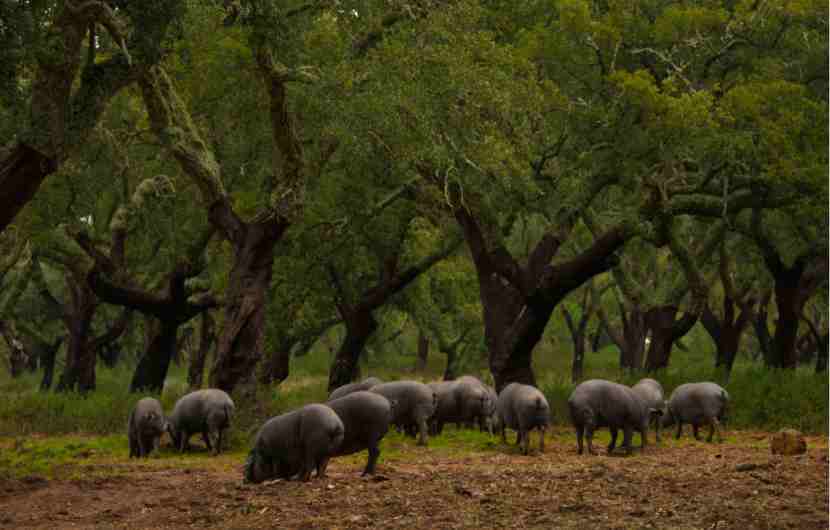
Extremadura's oak forests are scenic and home to the renowned black Iberian pig.
These pigs roam freely and feed on acorns, resulting in the exquisite Jamon Iberico de Bellota ( Black Foot Ham ), one of the finest hams in the world.
Legendary Cheese:
The region's unique cheese, Torta del Casar, is honoured in Extremadura's culinary heritage. Made from the milk of Merino sheep, this creamy delicacy has a distinct flavour profile and a soft, gooey texture that sets it apart.
Royal Quarters:
Guadalupe boasts the stunning Monasterio de Santa Maria de Guadalupe, a UNESCO World Heritage site. This monastery served as a royal residence and pilgrimage destination for centuries, and its rich history is interwoven with Spain's royal families.
8 Best Things To Do In Extremadura

Explore Caceres:
Step into the enchanting medieval town of Caceres, which boasts an impressive blend of Roman, Islamic, Gothic, and Renaissance architecture.
As a UNESCO World Heritage site, Caceres offers a fascinating glimpse into its rich history through well-preserved palaces, churches, and narrow streets.
The Plaza Mayor is a central hub, surrounded by charming cafes and restaurants where you can soak in the atmosphere.
» Check Out Guided Tours of Caseres
Visit Merida's Roman Legacy:

Delve into Merida's Roman past as you stroll through its remarkably preserved ruins.
The Roman Theatre, with its stunning semi-circular design, transports you to the days of gladiatorial combat.
The Roman Amphitheatre and the Archaeological Ensemble offer insights into ancient Roman life.
The National Museum of Roman Art, designed by architect Rafael Moneo, complements the experience with its impressive collection of artefacts.
» Check Out Guided Tours of Merida
Birdwatching in Monfrague:

Monfrague National Park is a haven for bird enthusiasts, home to diverse species.
The Salto del Gitano viewpoint offers an excellent vantage point to spot the majestic Spanish imperial eagle and other raptors soaring through the sky.
The park's rugged landscapes also provide opportunities for hiking and connecting with nature.
Step into Guadalupe:

The Monasterio de Santa Maria de Guadalupe is a captivating pilgrimage site that houses stunning Gothic, Mudejar, and Plateresque architecture.
Discover the sacred Black Madonna, which holds great religious significance.
The monastery's museum showcases a treasure trove of religious artefacts, illuminated manuscripts, and historical objects.
Hike in Valle del Jerte:

The Valle del Jerte bursts into a vibrant spectacle in spring as cherry blossoms blanket the hillsides.
This annual natural phenomenon draws visitors to witness the breathtaking landscape awash in pink and white hues.
Hiking trails weave through the valley, offering picturesque views of the blossoms and the surrounding Sierra de Gredos mountains.
Explore The Roman Bridge at Alcantara:
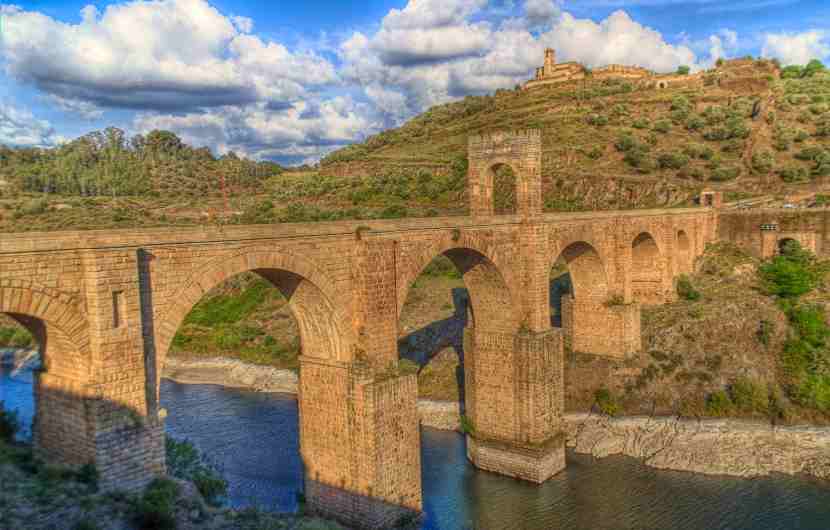
Admire the incredible engineering of the Alcantara Bridge, an ancient Roman feat that spans the Tajo River.
The bridge's towering arches and grandeur reflect the mastery of Roman architecture.
Delve into its history at the Interpretation Centre, which provides insights into the bridge's construction and its significance in the region's past.
Discover Trujillo:
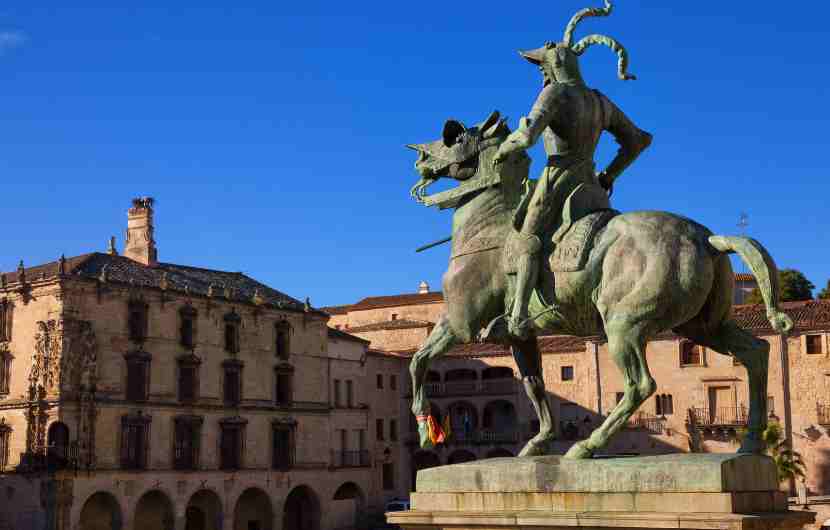
Discover the historic town of Trujillo, centred around the grand Plaza Mayor; the town's rich history is evident around every corner.
This town played a significant role in Spain's conquest of the New World, as evidenced by its regal palaces.
Ascend the Trujillo Castle for panoramic views of the surrounding landscape and explore the Statue of Francisco Pizarro, honouring the town's most famous conquistador.
The Gastronomy of Extremadura

Extremadura's gastronomy is a rich tapestry of flavours deeply rooted in its history and natural resources.
Known for its hearty dishes, the region offers culinary delights like the renowned Iberian ham, a product of its lush oak forests.
Extremadura's cuisine also features traditional stews like "cocido extremeno," showcasing its agricultural bounty.
Cheese lovers can savour unique varieties like "Torta del Casar" and "Queso de la Serena."
The landscape's olive groves produce high-quality olive oil, enhancing the local fare.
Sweet treats like "floretas" and "perrunillas" provide a delightful finish to meals.

- Jamon Iberico de Bellota: Extremadura's prized Iberian acorn-fed ham is a delicacy known for its exceptional taste and texture, crafted from the finest breed of pigs.
- Torta del Casar: This unique sheep's milk cheese boasts a creamy interior with a strong, distinct flavour. It's often enjoyed spread on bread or accompanied by quince paste.
- Migas Extremenas: A hearty dish made from breadcrumbs, garlic, and pork fat, often mixed with chorizo, pancetta, or peppers, resulting in a flavourful and satisfying comfort food.
- Cocido Extremeno: A traditional stew featuring a variety of meats, vegetables, and chickpeas, simmered together to create a rich and hearty dish, perfect for cooler months.
- Queso de la Serena: Another delectable sheep's milk cheese with a creamy texture and tangy flavour, traditionally served on its own or paired with local wines.
- Pimenton de la Vera: This smoked paprika is a key ingredient in many Extremaduran dishes, adding depth and a distinct smoky flavour to various recipes.
- Tarta de la Serena: A sweet delight, this cake is made with ingredients like almonds, honey, and eggs, capturing the essence of the region's natural flavours.

Getting Around Extremadura

Motorways:
A-5 (Autovia del Suroeste): Connects Madrid to Badajoz, passing through Merida.
A-66 (Autovia de la Plata): Runs from Gijon in Asturias to Seville, passing through Mérida and Plasencia.
A Roads (Nacionales):
N-630: Connects Seville to Gijon, passing through Merida and Caceres.
N-521: Links Caceres to Portugal, passing through Coria.
N-430: Connects Badajoz to Valencia, passing through Merida and Don Benito.
N-521: Runs from Plasencia to Portugal, passing through Valencia de Alcantara.
Train Stations:
Merida: A major railway hub connecting Extremadura with cities like Madrid, Seville, and Lisbon.
Caceres: Another key station providing rail connections to various destinations.
Badajoz: Offers train services to cities like Madrid, Seville, and Lisbon.
Airports:
Badajoz Airport (BJZ): It serves Badajoz and the surrounding area and has limited domestic flights.