



Imagine sailing across the sparkling Mediterranean, enjoying breathtaking views of Spain's stunning coastline, and accessing hidden gems that only a ferry journey can offer.
Traveling by ferry in Spain isn't just about getting from point A to point B—it's about the adventure, the scenery, and the unique experiences along the way.
Whether you're looking for a relaxing journey, a cost-effective way to travel, or the thrill of the open sea, ferry travel in Spain has something for everyone.
Why Choose Ferry Travel in Spain?

Choosing ferry travel around Spain is an excellent idea for numerous reasons.
Firstly, ferries offer a scenic and relaxing way to explore the country’s stunning coastline and islands, providing panoramic views that are often inaccessible by other means of transport.
Additionally, ferry travel is usually more spacious and comfortable, allowing passengers to move around freely, enjoy fresh air on deck, and avoid the cramped conditions typical of planes and buses.
Ferry routes connect major coastal cities and islands, making it easy to explore diverse regions such as the Balearic and Canary Islands. This mode of travel is often more affordable and convenient for transporting vehicles, enabling tourists to bring their cars and explore destinations at their own pace.
Moreover, ferries are environmentally friendly, producing fewer carbon emissions per passenger compared to flights. They also offer various amenities like restaurants, lounges, and entertainment, ensuring a pleasant journey. Overall, ferry travel combines comfort, convenience, and eco-friendliness, making it an ideal choice for exploring Spain.
Scenic Routes and Unique Experiences
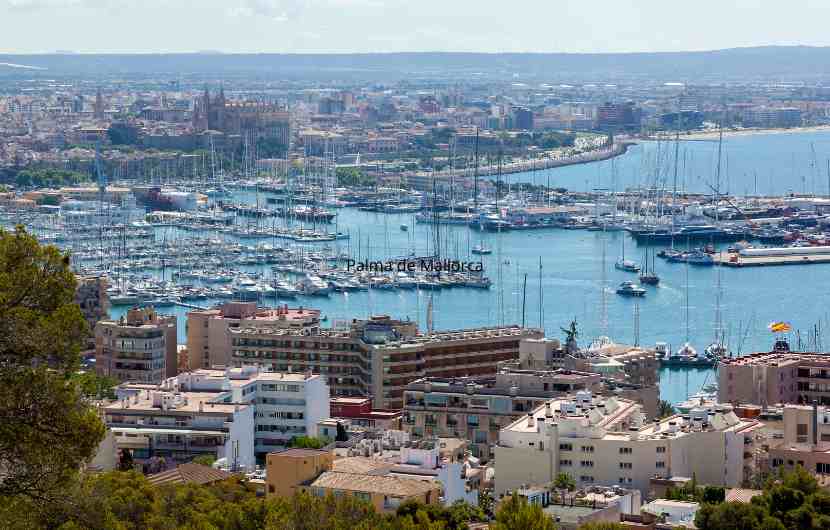
Spain offers a wide range of ferry routes, connecting its mainland to various islands and international destinations.
The Balearic Islands, including Mallorca, Menorca, Ibiza, and Formentera, are accessible via short, frequent ferry trips from ports like Barcelona, Valencia, and Denia. These routes cater to island hopping, allowing you to explore multiple islands in a single trip.
The Canary Islands also boast an extensive network of ferry routes, linking islands such as Tenerife, Gran Canaria, Lanzarote, and Fuerteventura. These inter-island ferries provide a convenient way to explore the archipelago’s diverse landscapes.
For international routes, larger ferries operate between Spain and countries like the UK and France. Popular routes include crossings from Santander or Bilbao to Portsmouth or Plymouth in the UK, and from Barcelona to various ports in France.
These longer journeys offer a comfortable and scenic alternative to air travel, often equipped with amenities such as different types of cabins to suit all budgets, pet-friendly cabins, rest areas, sun decks, restaurants, and even entertainment options.
Travelling by ferry in Spain offers an unparalleled opportunity to enjoy some of the country's most scenic routes.
Ferries provide access to hidden gems and secluded beaches that are often inaccessible by other means, making your journey as memorable as your destination.
Popular Ferry Routes in Spain

Spain's mainland ferry routes connect major cities and popular tourist destinations, making it easy to incorporate ferry travel into your itinerary.
Here are the 15 most popular ferry routes in Spain:
- Barcelona to Ibiza
This route is operated by companies such as Balearia and Trasmediterranea. It connects the vibrant city of Barcelona with the iconic party island of Ibiza. The journey typically takes around 8 hours. Ferries on this route offer amenities like restaurants, cabins, and entertainment, making it a comfortable way to start your island adventure. - Valencia to Palma de Mallorca
Operated by Balearia and Trasmediterránea, this route connects Valencia on the Spanish mainland to the capital of the Balearic Islands, Palma de Mallorca. The ferry ride lasts about 7-8 hours and offers stunning views of the Mediterranean. Onboard amenities include dining options, cabins, and lounges, ensuring a pleasant journey. - Algeciras to Ceuta
This short ferry route, operated by companies like Balearia and FRS, connects the port of Algeciras in southern Spain to the Spanish enclave of Ceuta in North Africa. The journey takes approximately 1-1.5 hours. It’s a popular route for those looking to explore the unique blend of cultures in Ceuta. - Ibiza to Formentera
A short but scenic 30-40 minute ride, this route is operated by companies like Trasmapi and Aquabus. It connects Ibiza with the tranquil island of Formentera, known for its pristine beaches and crystal-clear waters. The ferries run frequently throughout the day, making it easy to plan a day trip or a longer stay. - Cadiz to Tenerife
This longer route, operated by Naviera Armas, connects the mainland port of Cadiz with the Canary Island of Tenerife. The journey can take around 40 hours, providing a mini-cruise experience. Onboard amenities include comfortable cabins, dining options, and entertainment, ensuring a pleasant journey across the Atlantic. - Huelva to Gran Canaria
Operated by Fred Olsen Express and Naviera Armas, this route connects Huelva in Andalusia to Las Palmas in Gran Canaria. The ferry ride takes about 35 hours. These ferries offer amenities such as private cabins, restaurants, and lounges, making the long journey enjoyable. - Malaga to Melilla
This route, operated by Trasmediterránea, connects the Andalusian city of Malaga to the Spanish enclave of Melilla on the North African coast. The ferry journey takes around 6-7 hours. Onboard, passengers can enjoy amenities like dining facilities, comfortable seating, and sometimes even entertainment options. - Denia to Ibiza
Balearia operates this route, which connects the mainland town of Denia with Ibiza. The journey takes about 2-3 hours by fast ferry. The modern ferries offer amenities such as restaurants, seating areas, and sometimes even a swimming pool, providing a comfortable and quick passage to the island. - Valencia to Mahon (Menorca)
This route, served by Balearia and Trasmediterránea, connects Valencia with the port of Mahon on Menorca. The ferry journey takes around 15-17 hours, often overnight. Passengers can book cabins for a restful night’s sleep and enjoy onboard dining and entertainment options. - Barcelona to Ciutadella (Menorca)
Operated by Balearia and Trasmediterránea, this route connects Barcelona with Ciutadella on Menorca. The journey typically takes around 8-9 hours. Ferries on this route offer comfortable cabins, restaurants, and lounges, making for a pleasant journey across the Mediterranean. - Almeria to Nador
This route, operated by companies like Balearia and Trasmediterránea, connects the port of Almeria in Andalusia with Nador in Morocco. The ferry ride takes around 6-7 hours. Passengers can enjoy amenities like dining options, seating areas, and sometimes even entertainment onboard. - Barcelona to Palma de Mallorca
Balearia and Trasmediterránea operate this popular route, which connects Barcelona with Palma de Mallorca. The journey typically takes around 7-8 hours. Onboard amenities include restaurants, cabins, and lounges, ensuring a comfortable and enjoyable passage to the Balearic Islands. - Alicante to Oran
Operated by Trasmediterránea, this route connects Alicante on the Spanish mainland with Oran in Algeria. The ferry journey takes around 9-10 hours. Passengers can enjoy amenities such as comfortable seating, dining options, and sometimes entertainment during the journey. - Ibiza to Valencia
This route, operated by Balearia and Trasmediterránea, connects the island of Ibiza with Valencia on the mainland. The journey takes around 5-6 hours. Ferries offer a range of amenities, including restaurants, lounges, and cabins, providing a comfortable travel experience. - Palma de Mallorca to Ibiza
Balearia operates this route, which connects Palma de Mallorca with Ibiza. The ferry ride takes about 2-3 hours. Passengers can enjoy comfortable seating, dining options, and sometimes even a pool, making the journey between these two Balearic Islands enjoyable.
Convenience and Comfort
Ferry travel combines convenience with comfort. Modern ferries come equipped with spacious accommodations, dining options, and even entertainment facilities, ensuring a pleasant journey. Unlike air travel, you don't have to worry about restrictive baggage limits, and you can bring your car along, making it easier to explore your destination at your own pace.
Cost-Effective Travel
When compared to flights and other modes of transportation, ferries often offer competitive pricing, especially when you consider the additional benefits of comfort and convenience. There are also various ticket options available, from standard seats to luxury cabins, catering to different budgets and preferences.
Popular Ferry Companies Operating in Spain

Spain is well-served by a variety of ferry companies, each offering routes and services to cater to different travel needs.
Among the most prominent is Brittany Ferries, which connects Spain to the UK and France. Routes such as Santander to Portsmouth and Bilbao to Plymouth provide a comfortable alternative to flying, with amenities including pet-friendly cabins, restaurants, and entertainment.
Fred Olsen Express is a key player in the Canary Islands, known for its fast and efficient service between islands like Tenerife, Gran Canaria, and La Gomera.
Naviera Armas is another major operator in the Canaries, offering comprehensive coverage of the archipelago with frequent sailings and modern vessels.
If your heading to the Balearic Islands, Grimaldi Trasmed and Balearia are the go-to companies. Grimaldi Trasmed provides routes connecting the mainland with Mallorca, Menorca, and Ibiza, ensuring seamless travel with a focus on comfort and reliability. Balearia is renowned for its extensive network, covering not only the Balearic Islands but also routes to Morocco and the Canary Islands, offering high-speed ferries and ample onboard amenities.
Trasmediterranea, one of Spain's leading vehicle ferry companies, offers extensive routes connecting mainland Spain with the Balearic Islands, Canary Islands, and North Africa. Known for its reliable service and modern fleet, you can enjoy a range of amenities, including spacious lounges, dining options, and entertainment facilities.
GNV (Grandi Navi Veloci) operates routes connecting Spain to Italy and Morocco, catering to international travellers with large vessels equipped for long-haul journeys.
Trasmapi specialises in routes between Ibiza and Formentera, providing frequent and speedy services ideal for day trips and island hopping.
In addition to these major companies, numerous smaller local operators serve Spain’s diverse ferry routes.
These companies ensure connectivity to lesser-known destinations, offering essential services to remote islands and coastal towns.
Their local expertise and smaller vessels allow for more personalised and flexible travel options, making them a valuable part of Spain’s ferry network.
Booking Your Ferry Tickets

Here are some tips to get the best deals:
- Book in Advance: Secure your tickets early to take advantage of lower prices and ensure availability, especially during peak travel seasons.
- Flexible Dates: If your travel dates are flexible, you can often find cheaper fares by avoiding peak times and travelling mid-week.
- Compare Prices: Use popular ferry comparison sites such as Ferry Scanner, Direct Ferries, and Ferry Services to compare prices from different ferry operators and find the best deal for your journey.
Seasonal Considerations
The best time to travel by ferry in Spain depends on your destination and preferences. For the warmest weather and high-season travel, plan your trip during the summer months from May to September.
However, if you prefer to avoid crowds and enjoy a more relaxed journey, consider travelling in the shoulder seasons of spring and autumn.
Understanding Ferry Prices
Several factors can influence the cost of your ferry ticket, including:
- Route: Longer routes or those serviced by high-speed ferries tend to be more expensive.
- Season: Prices are generally higher during peak travel seasons and holidays.
- Accommodation Type: Opting for a private cabin or upgraded seating will increase the cost compared to standard seating.
Tips for Finding Discounts
Here are some strategies to help you find discounts and save on ferry travel:
- Early Bird Specials: Many operators offer discounted fares for those who book well in advance.
- Group Rates: Travelling with a group can often reduce the per-person cost.
- Loyalty Programs: Regular travellers can benefit from loyalty programs offered by ferry operators, providing discounts and perks.
Travel Tips and Essentials

Packing for Your Ferry Trip
To ensure a comfortable and enjoyable journey, make sure to pack the following essentials:
- Travel Documents: Ensure you have your tickets, ID, and any necessary travel documents.
- Comfort Items: Bring a travel pillow, blanket, and any personal items to make your journey more comfortable.
- Entertainment: Pack books, magazines, or electronic devices to keep yourself entertained during the trip.
Onboard Amenities
Modern ferries are equipped with a range of amenities to enhance your travel experience:
- Dining Options: Enjoy a variety of meals and snacks available on board.
- Entertainment: Some ferries offer entertainment options such as movies, games, and even live performances.
- Facilities: Take advantage of amenities like lounges, shops, and sometimes even swimming pools or spas.
Safety and Regulations
Ferry travel in Spain is known for its high safety standards and stringent regulations. The Spanish Maritime Safety Agency (SASEMAR) oversees maritime operations, ensuring that all ferries comply with national and international safety protocols. Ferries undergo regular inspections and maintenance to guarantee their seaworthiness.
Crew members are trained extensively in emergency procedures, including fire drills, evacuation protocols, and first aid. Lifesaving equipment, such as life jackets and lifeboats, are mandatory and easily accessible. Passengers receive safety briefings upon boarding, which include instructions on emergency exits and life jacket usage.
The International Maritime Organisation (IMO) sets additional guidelines that Spanish ferries must adhere to, including the Safety of Life at Sea (SOLAS) convention. This encompasses ship design, construction standards, and operational safety.
Moreover, ferry companies like Balearia, Trasmediterranea, and Fred Olsen Express follow strict environmental regulations to minimise their ecological impact. Measures include waste management, fuel efficiency, and emission controls.
Overall, the combination of rigorous inspections, crew training, passenger briefings, and adherence to international standards ensures that ferry travel in Spain remains safe and reliable.
Ferry Companies
- Brittany Ferries
- Fred Olsen Express
- Naviera Armas
- Grimaldi Trasmed
- Transmed
- Balearia
- GNV
- Trasmapi
- Armas Trasmediterranea