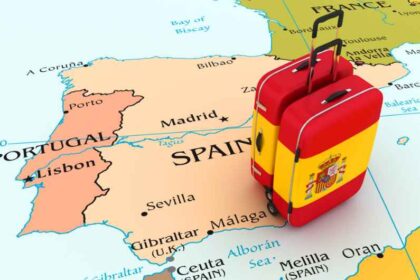



Galicia is a beautiful region located in the northwest corner of Spain, bordered by the Atlantic Ocean to the west and Portugal to the south.
It is a land of lush green landscapes, rugged coastline, and a rich cultural heritage. Galicia has a long and varied history, shaped by its Celtic, Roman, and medieval past.
This region is known for its unique traditions, stunning landscapes, numerous historic sites, superb gastronomy, and amazing blue flag beaches.
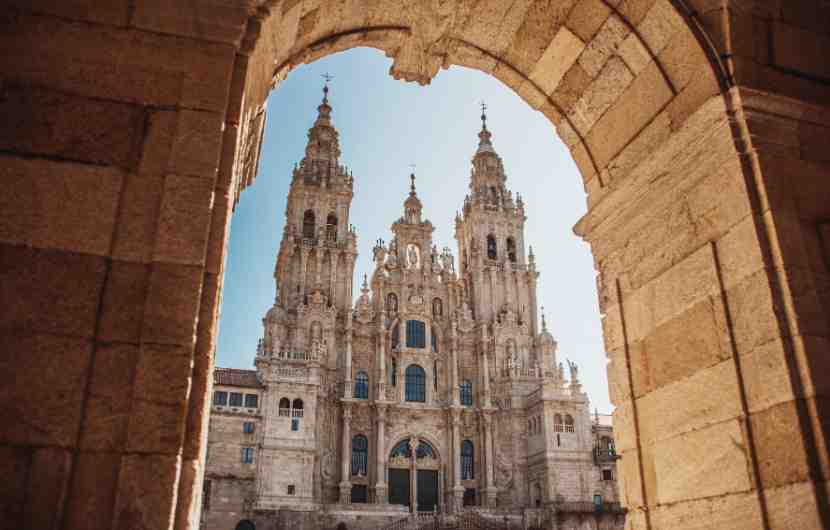
The Santiago de Compostela Cathedral, the last stop on the Camino de Santiago, is one of Galicia's main tourist destinations. With its exquisite stone carvings and tall towers, it is a stunning specimen of Romanesque architecture. The Tower of Hercules in A Coruna, a historic lighthouse that has been in continuous operation for more than 2,000 years, is another must-see attraction.
Some of the best destinations in Galicia include the charming town of Ribadeo, located on the coast near the border with Asturias. It is known for its beautiful beaches and picturesque historic center.
Another great destination is the Rías Baixas, a series of estuaries dotted with fishing villages and stunning beaches.
Galicia is also famous for its gastronomy, which features fresh seafood, delicious locally-produced wines, and traditional dishes like empanadas and pulpo a la gallega (Galician-style octopus). The region boasts many Michelin-starred restaurants, as well as casual seafood taverns and local markets selling fresh produce and artisanal products.
The region of Galicia is home to more Blue Flag beaches than any other in Spain. Some of the best beaches include Playa de Areas in Sanxenxo, Playa de Laxe in A Coruña, and Playa de Rodas in the Cíes Islands. These beaches are known for their crystal-clear waters, golden sands, and stunning scenery.
The Top Attractions in Galicia
The Tower of Hercules

In the traditional yet modern city of La Coruna, there is the famous Tower of Hercules, an ancient lighthouse built by the Romans thousands of years ago.
The lighthouse is not only a beacon of light but a symbol of strength and power as it has stood fast over time, not even surrendering to damaging weather or earthquakes. This is an impressive feat of Roman engineering and well worth visiting.
Santiago de Compostela Cathedral

In the city of Santiago de Compostela, the cathedral stands proud and marks the final destination of the walk of pilgrims trekking the Camino de Santiago, starting in the Pyrenees, 500 miles away.
Travellers can decide of course to join the route at certain points in between, depending on how far they want to walk and how much they want to see.
The Santiago de Compostela Cathedral itself stands in an urban plaza that bustles with life and is considered one of Spain’s national treasures and well worth a visit.
The Standing Stones of Galicia

At first glance, you may be forgiven for thinking that these unusual stones were created by the primitive inhabitants of Galicia in times gone by.
In reality, they were the brainchild of local artist Manolo Paz in 1994 who paid tribute to the Celtic people who once inhabited much of Europe, including Northern Spain.
The “Menhir Spike” stones are located on the same headland as the Hercules Tower.
The Vineyards of Galicia

Wine is a fundamental part of life in this region and the wine routes are part of the region's historical and cultural identity.
The mild temperatures and rainfall in Galicia are ideal for the production of the world-renowned Albarino, white and Ribeira, Red wines.
There are many wine routes in the region where you can learn all about the variety of wines on offer.
A number of companies offer wine and gastronomy tours with tasting sessions which is an ideal way to learn and savour wines from the region.
Check out the 10 best wine tours on Tripadvisor.
Enjoy the Amazing Beaches

Galicia is blessed with a stunning coastline and beautiful beaches. Several of its beaches have been awarded the prestigious Blue Flag designation, which recognizes clean and well-maintained beaches that meet strict environmental standards.
Here are some of the best Blue Flag beaches in Galicia:
- Playa de Riazor: This urban beach in the city of A Coruna, is popular with both locals and tourists alike.
- Playa de Silgar: This beach is renowned for its beautiful sand and clear waters and is situated in the pretty coastal town of Sanxenxo
- Playa de O Vilar: Though this beach on the Cies Islands it can only be reached by boat due to its secluded location and pristine beauty, it is a must-see.
- Playa de Rodas: The Ciés Islands are home to a number of amazing gorgeous beaches. Playa de Rodas, was voted by the Guardian as the best beach in the world in 2007.
- Playa Catedrais, is a famed beach in Ribadeo that is well-known for its stunning rock formations.
- Playa Lanzada: Located in O´Grove this beach is a firm favourite with windsurfers and other water sports enthusiasts.
- Praia de Baltar is a family-friendly beach with calm waters that is accessible from Portonovo.
There are more blue flag beaches located in the region of Galicia than any other in Spain.
The Cies Islands

Just off the coast of Galicia, close to Pontevedra, is the magnificent archipelago known as the Cies Islands.
The islands, which are a protected natural park, are renowned for their immaculate beaches and crystalline waters.
A network of hiking routes connects the three major islands, Monteagudo, Do Faro, and San Martio, allowing tourists to explore the region's unique flora and fauna.
The islands are also home to a large variety of bird species, such as the European storm petrel, and the yellow-legged gull.
The Islands boast fine white sands and turquoise waters, the major beach on the islands, Rodas Beach, is often voted as one of the best beaches in the world.
Access to the Cies Islands is limited, with a daily quota of visitors allowed to enter the park, and camping and overnight stays are prohibited.
However, day trips are available which will allow you to experience the beauty of the islands for yourself.
Medieval Villages

Galicia is well known for its stunning natural surroundings, delicious seafood, and distinctive culture. It is also well known for being the location of numerous quaint medieval coastal villages, some of which have survived the passage of time largely unaltered.
These towns and villages provide a window into Galicia's rich past and cultural legacy. These charming villages offer a special vacation experience with their traditional architecture, winding streets, and stone homes.
Here is a list of some of Galicia's most picturesque and interesting coastal towns, each with its own unique personality and background.
Here are five amazing medieval villages:
1. Cambados
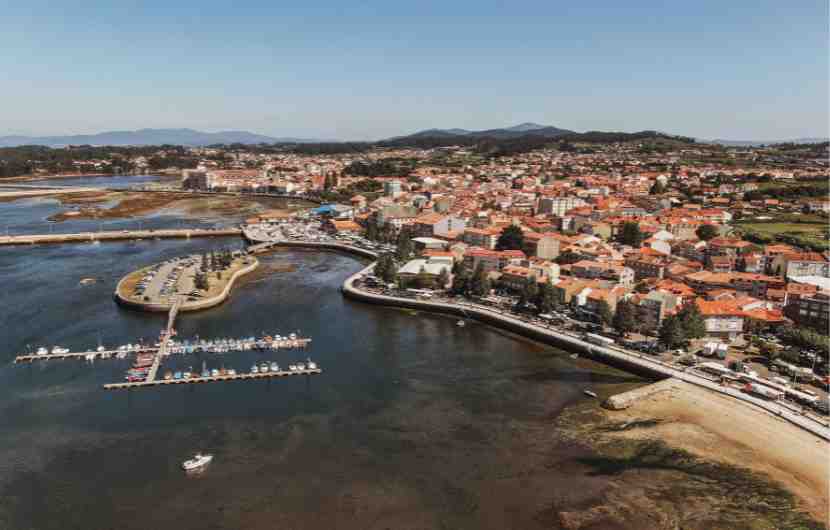
Located in the province of Pontevedra, Cambados is a medieval town that is famous for its spectacular white wine; Albariño. The wine is often paired with seafood, a great delicacy available in abundance in this region of Spain.
The town has many attractions for tourists including monuments, ruins, a tidal mill, a church, and a tower. As well as its many beaches it also has a lovely river, Rio Umia, bordering the edge of the town.
2. Cap Finisterre

Cape Finisterre, also known as "The End of the World," is a rocky headland located on the western coast of Galicia.
It was once considered the westernmost point of the known world and is known for its stunning natural beauty and breathtaking sunsets.
The cape is a popular pilgrimage site for both religious and non-religious visitors, who come to witness the symbolic burning of clothing and other offerings on the cliffs at sunset.
The lighthouse at Cape Finisterre is one of the oldest in Spain and offers panoramic views of the rugged coastline and the Atlantic Ocean.
3. Pontedeume
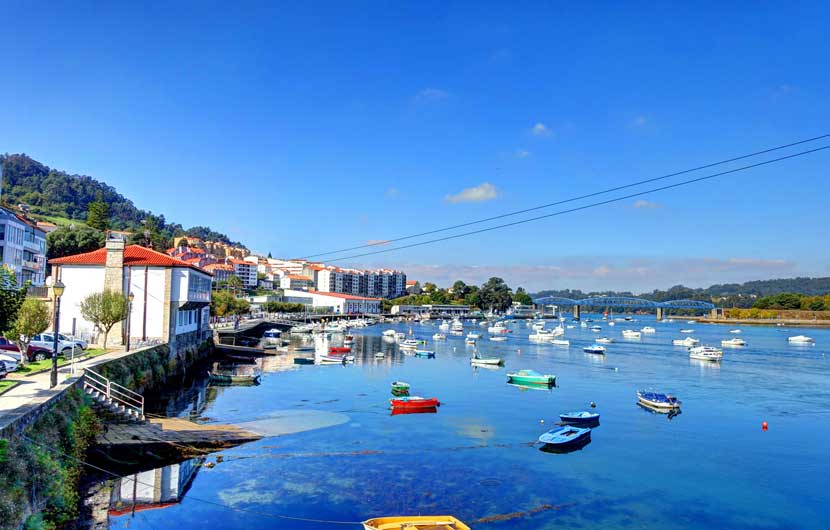
Pontedeume is a charming town situated on the banks of the Eume River, it is known for its beautiful historic quarter, which has been declared a Site of Cultural Interest.
The town is also famous for its beaches, including the picturesque beach of Cabanas and the natural area of the Fragas do Eume.
Pontedeume is also home to several notable buildings, such as the Gothic-style Church of Santiago de Pontedeume, and the medieval castle of the Andrade family, which dominates the town's skyline.
The town is renowned for its traditional festivals and gastronomy, which are deeply rooted in Galician culture.
Overall, Pontedeume is a great destination if you are looking to experience the authentic charm of Galicia.
4. Rias Baixas

The Rias Baixas are a series of estuary inlets located in the southwest of the province of Pontevedra. The region is made up of several rivers, or estuaries, including the Ria de Vigo, Ria de Pontevedra, Ria de Arousa, and Ria de Muros e Noia.
The region is known for its beautiful coastline, sandy beaches, and stunning landscapes.
The Rias Baixas is also famous for its delicious seafood and white wines, particularly the Albariño wine
Along the banks of the Rias Baixas you can explore the charming coastal towns and villages and picturesque fishing communities.
the Rias Baixas is a well-liked travel destination for both domestic and foreign visitors and is one of the most picturesque regions of Spain
5. Baiona
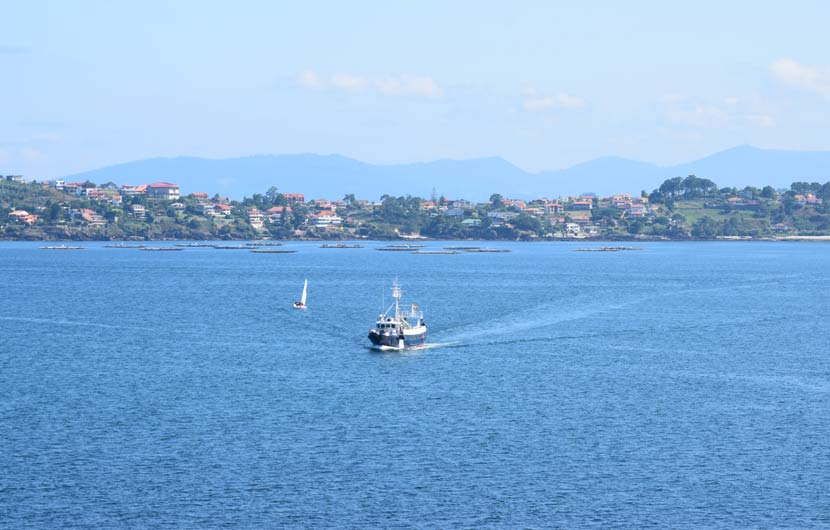
Baiona is known for its beautiful beaches, medieval buildings, and picturesque harbour.
It was an important location in the history of Spain because it was where the news of Christopher Columbus' discovery of America was first reported.
The village is now a well-liked tourist destination with lots of eateries, cafes, and bars providing regional seafood and Galician cuisine.
A number of cultural and athletic events, such as the Baiona Medieval Festival, which honours the town's past, are also held in the town throughout the year.
Galicia Festivals

The Galicia region of Spain is known for its rich cultural and religious heritage, which is reflected in the numerous festivals and fiestas held throughout the year. These celebrations often have a historical or religious significance, and attract visitors from all over the world.
Here are some of the main festivals and fiestas held in Galicia:
- Carnivals - celebrated each year in February or March, it is a lively and colourful festival with parades, costumes, music and dance.
- Holy Week - held in March or April, it is one of the most important religious festivals commemorating the death and resurrection of Jesus Christ, with processions and ceremonies.
- Festa do Apóstolo - celebrated on July 25th in Santiago de Compostela, it honours Saint James, the patron saint of Galicia, with a variety of cultural events and religious ceremonies.
- Romería Vikinga - held in Catoira in August, it is a re-enactment of the Viking invasions of Galicia in the 9th and 10th centuries, with mock battles and parades.
- Festa do Marisco - held in O Grove in October, it is a seafood festival featuring a wide variety of local delicacies.
- Magosto - celebrated in November, it is a traditional festival honouring the autumn harvest, with chestnuts, wine and music.
- Entroido Ribeirao - celebrated in Xinzo de Limia, it is one of the most traditional Carnivals in Galicia, with a strong emphasis on the preservation of ancient cultural traditions.
These festivals and fiestas provide a unique insight into the history, culture and traditions of Galicia, and are a wonderful way to experience the vibrant and lively atmosphere of the region.
Holy Week in March/April

Holy Week is celebrated heavily in Spain, not least in Galicia. During this week, almost every Galician town and village holds street processions that display parades of religious icons. Each one of these lifelike sculptures are telling the story of the Virgin Mary and Jesus to the rhythm of drum bands.
Santiago de Compostela in July
The grandest festival in all of Galicia is that of Apóstolo Santiago, which is celebrated as Galicia´s national day. This is held on July 25th every year and the people spill into the cities’ streets for parades and fireworks. It’s a great party atmosphere where the people get really involved and anyone is welcome to celebrate. The party is actually a week long and is a must-see for keen visitors to Galicia.
The Gastronomy of Galicia

The gastronomy of Galicia is world-renowned for its fresh seafood, hearty stews, and delectable wines. Galicia is located in the northwest of Spain, surrounded by the Atlantic Ocean, and is known for its fertile seas and lands, which produce some of the best seafood and meats in Spain.
The history of Galician cuisine dates back to the Roman Empire, when the area was a major producer of wine, olive oil, and other agricultural products.
In modern times, Galicia has become known for its fresh seafood, with dishes such as octopus, clams, and shrimp being staples of the local diet.
The region is also famous for its hearty stews, which feature a variety of meats and vegetables and are often made with beans or chickpeas.
One of the most famous dishes in Galicia is pulpo a la gallega, which is a boiled octopus served with potatoes, paprika, and olive oil. Another popular seafood dish is empanada de atun, a savory pastry filled with tuna, onions, and peppers. Meat lovers will enjoy the traditional Galician beef, known as ternera gallega, which is known for its tenderness and flavor.
Wine is also an essential part of the Galician gastronomy, with the region producing some of the best white wines in Spain, such as Albariño, Godello, and Treixadura.
Galicia is also home to several unique liqueurs, such as Orujo and Queimada, a traditional drink made with Galician liquor, sugar, and coffee beans.
Overall, Galician cuisine is a perfect blend of fresh ingredients, bold flavours, and traditional cooking techniques.
The region's rich history, diverse landscape, and proximity to the Atlantic Ocean have all contributed to its unique and delicious culinary culture.
Whether you are a seafood lover or a meat enthusiast, Galicia has something for everyone to enjoy.
The top 10 dishes from Galicia

- Pulpo a la Gallega: Also known as Galician-style octopus, this dish features boiled octopus that is sliced and served on a bed of potatoes, drizzled with olive oil and sprinkled with paprika.
- Empanadas: These are savoury pies filled with a variety of ingredients, such as tuna, chicken, or cod, and are usually served as a snack or appetizer.
- Lacón con Grelos: This traditional dish consists of boiled pork shoulder served with a side of turnip greens or rapini.
- Caldo Gallego: A hearty soup made with white beans, potatoes, and greens, such as kale or collard greens, and often served with chorizo or ham.
- Percebes: These are unique-looking goose barnacles found along the rocky coastline of Galicia. They are typically boiled and served as a delicacy with lemon and bread.
- Tarta de Santiago: A traditional almond cake that is popular throughout Galicia, typically dusted with powdered sugar and decorated with the cross of Saint James.
- Arroz con Marisco: A seafood rice dish made with saffron, shrimp, clams, and other seafood, similar to paella but with a distinct Galician twist.
- Vieiras a la Gallega: Grilled scallops served on the half-shell with breadcrumbs, garlic, and paprika, a classic Galician appetizer.
- Zorza: A spicy sausage made with pork, garlic, and paprika, often served as a filling for empanadas or as a standalone dish.
- Queso de Tetilla: A mild, creamy cheese made from cow's milk, often served as an appetizer or snack with bread or crackers.
The top 10 wines from Galicia
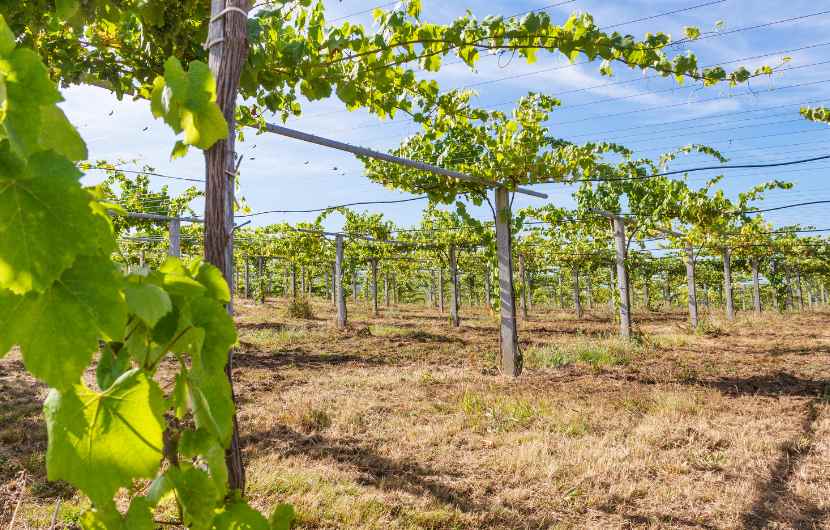
- Albariño: A white wine that is crisp, dry, and acidic with citrus and stone fruit flavours. It is the most well-known and widely planted grape variety in Galicia.
- Godello: A white wine that is medium to full-bodied with a floral aroma and flavours of citrus, apple, and pear. It is known for its balance and complexity.
- Mencía: A red wine that is medium-bodied with red fruit flavours and a spicy finish. It is grown mainly in the Bierzo region of Galicia.
- Treixadura: A white wine that is medium-bodied with flavours of peach, apricot, and citrus. It is often blended with other grapes to add complexity.
- Loureira: A white wine that is light-bodied with floral and fruity flavours. It is commonly used in blends to add acidity and freshness.
- Brancellao: A red wine that is medium-bodied with red fruit flavours and a spicy finish. It is grown mainly in the Ribeira Sacra region of Galicia.
- Sousón: A red wine that is full-bodied with flavours of blackberry and plum. It is grown mainly in the Ribeiro region of Galicia.
- Torrontés: A white wine that is light-bodied with floral and fruity flavours. It is commonly used in blends to add aroma and acidity.
- Caíño: A red wine that is medium-bodied with flavours of cherry and spice. It is grown mainly in the Rias Baixas region of Galicia.
- Merenzao: A red wine that is medium-bodied with red fruit flavours and a spicy finish. It is grown mainly in the Ribeira Sacra region of Galicia.
Getting to and from Galicia
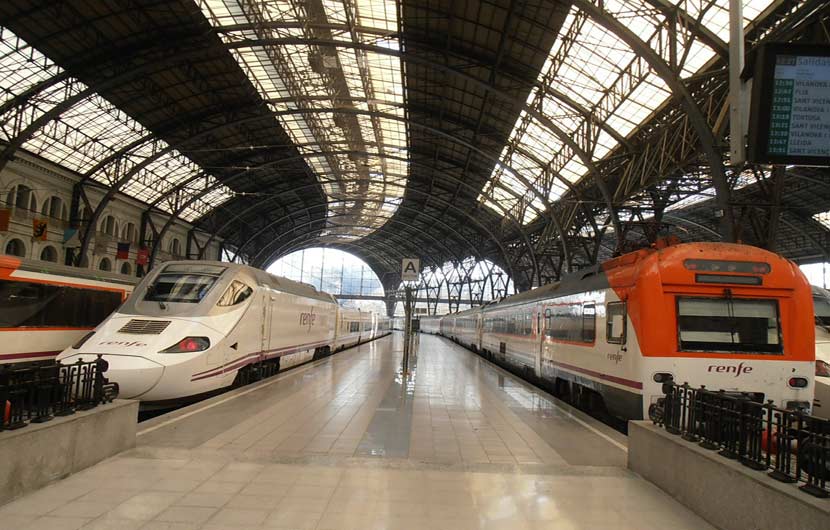
Today's excellent air, rail, and road transportation infrastructure makes it simple to travel to Galicia from any location in Spain or from the EEC.
Use the AVE High-Speed Trains; there are frequent Ave services from Madrid and Barcelona if you want to travel in style.
Three international airports are situated at Lavacolla (Santiago), Peinador (Vigo), and Alvedro (A Coruna), and they are all connected by good quality highways and motorways and a reliable rail system.
Galicia has excellent motorway infrastructure, making it simple to travel there and explore the region. The main entrance routes are the N-VI from Madrid to A Coruna, the N-525 from Zamora to Vigo via Ourense, and the N-634 from Asturias, which enters Ribadeo. The N-13 enters Galicia through Tui in Portugal, connecting A Coruna and Vigo with the N-13, which originates in Lisbon and Oporto.