

1. It's Always Sunny in Spain

While Spain has famously sunny spots like the Costa del Sol, there isn't sunshine and blue skies year-round; this may be the most common misconception about Spain.
In the north, regions like Galicia and Asturias receive plenty of rain, making them lush and green rather than sun-drenched.
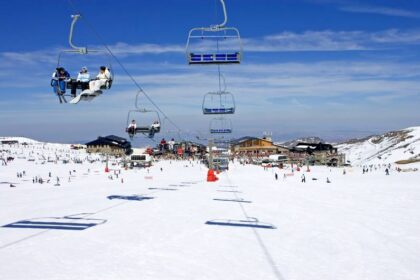
Winters in places like Madrid and some Mediterranean spots can be chilly, and you'll even find snowy slopes in the Pyrenees and Sierra Nevada.
Spain's weather varies as much as its landscapes, so packing layers is always a good idea!
2. Everyone's Off Napping at Siesta Time
The siesta is legendary, but modern Spain doesn't shut down for a snooze daily.
Though some smaller businesses still observe a midday break, especially in summer, most people power through the afternoon at work, thanks to air conditioning and caffeine.
Siesta culture is a nostalgic memory, so don't expect to see folks with pillows at their desks.
But yes, if you're in a tiny village, the quiet might be due to a cheeky nap.
3. Flamenco is a Nationwide Passion

People associate Spain with flamenco, but it's native to Andalucía in the south.
Many Spaniards outside this region rarely see a flamenco show or know the first thing about a Sevillana twirl.
So, expecting to find a guitar-playing, heel-stamping dancer in Bilbao or Barcelona is like expecting Morris dancers in every British high street – lovely, but not strictly an everyday affair.
4. Paella is Spain’s National Dish

Ah, paella, that glorious blend of rice and seafood (or rabbit if you're traditional), It's one of the top misconceptions about Spain that people from every region eat Paella regularly
It's a common dish in Valencia, where it originated, but calling it Spain's national dish ignores other regional specialities like gazpacho, fabada, or pintxos.
You might be disappointed if you search for paella in Madrid or Bilbao, as locals there have their own favourites.
Imagine declaring fish and chips the national dish of every UK region – Yorkshire folk might have words.
5. Tapas are Free in Every Bar

If you're looking forward to a free spread of tapas with every drink across Spain, lower those expectations slightly.
In some regions, such as Granada, you'll be treated to a free tapa with a drink, but in cities like Barcelona and Madrid, tapas are usually on the menu, with a price tag.
The free tapa tradition is cherished but not universal. So, if the waiter brings olives and bread, remember to check the bill – it may be an unexpected tapas tax.
6. Everyone Speaks English
English is taught in schools, but not everyone in Spain speaks it fluently, especially in smaller towns and rural areas.
In big cities, you'll find more English speakers, particularly in tourist zones, but outside these areas, a few Spanish phrases can go a long way.
Many Spaniards appreciate attempts to speak their language and are usually friendly and helpful, so learning basic Spanish can really enhance your experience and interactions.
7. Everyone Speaks "Spanish" the Same Way

Spain is home to several official languages, not just Castellano (what most think of as Spanish). Catalonia speaks Catalan, the Basque Country has Euskara, and Galicia proudly uses Galician.
These languages have distinct dialects and cultures, so referring to all Spanish as Castellano can be like assuming everyone in the UK speaks in the Queen's English.
Locals are proud of their linguistic heritage, and you'll get extra brownie points for showing interest in it.
8. Spain is All about Bullfighting
Despite its reputation, bullfighting is not universally beloved in Spain. It's seen as an essential tradition in some regions, particularly Andalucía, but many Spaniards find it outdated and cruel.
Regions like Catalonia, Galicia, and the Canary Islands have banned it entirely, and while some defend it as a cultural heritage, others view it as a thing of the past.
9. The Whole Country Parties Until Dawn

Spain's reputation for late nights is well-earned, but it's not all about endless parties.
In smaller towns, life winds down relatively early, and even in bigger cities, the party is more of a weekend affair.
Locals don't go clubbing every night; they enjoy family dinners, relaxed evenings with friends, and plenty of tapas and vino. So, don't feel pressured to party all night long.
10. All Spanish Food is Blazingly Spicy
If you're expecting fiery chilli in every Spanish dish, think again.
Traditional Spanish cuisine is actually quite mild; instead, it's rich in olive oil, garlic, and paprika for flavour rather than heat.
The Spanish palate leans towards savoury and sweet over spicy. So, those craving something as fiery as a curry will likely be disappointed.
That said, some regions add a little kick, like in the "spicy" chorizo, but it's more a gentle warmth than a mouth-scorching blaze.
11. Spaniards are Always Late for Meetings
It's a common joke that Spaniards operate on their own time, but this stereotype doesn't hold everywhere.
In business and daily life, punctuality is as valued as anywhere else. True, social gatherings might have a more relaxed start time, but turning up late to a meeting or appointment would raise as many eyebrows in Madrid as it would in Manchester.
The infamous "Spanish time" is really more of a cultural myth than reality.
12. All of Spain's Beaches Are Sandy

Not quite! Spain's beaches vary from the tropical-like sands of the Canary Islands to the rocky coves of Costa Brava.
Northern beaches in Galicia and Asturias are often wild and rugged, ideal for surfers rather than sunbathers.
Some Mediterranean beaches can be pebbly, and even popular sandy beaches like Costa del Sol can have unexpected winds or currents.
Spain's coastlines are incredibly diverse, so if you're hoping for powdery white sands everywhere, you might be surprised by some rocky alternatives.
13. Every Spaniard Knows How to Dance Flamenco
Flamenco is an art form originating in southern Spain, but it's not a skill taught nationwide. In fact, many Spaniards outside Andalusia have never even tried it!
Flamenco is a cherished tradition for many, but you're just as likely to meet a Spaniard who loves rock or pop music.
So don't expect every local to start stamping their heels – they might instead direct you to a proper flamenco show or prefer to chat over a nice plate of tapas.
14. Spain Is One Big Fiesta
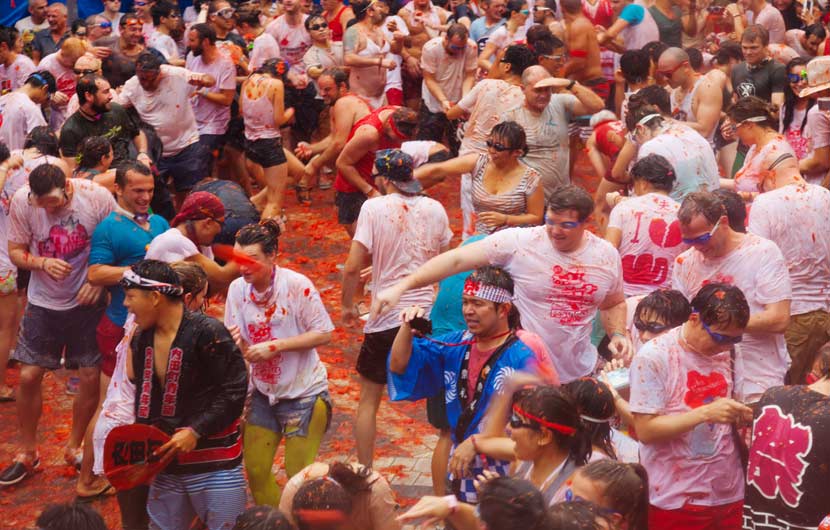
Spain is indeed known for its festivals, but not every town has a fiesta every week.
Spain’s fiesta reputation mainly comes from grand events like La Tomatina and San Fermín, but these are far from the daily routine.
So while Spain loves a good celebration, most locals aren’t throwing tomatoes or running with bulls every month.
15. Everyone Eats Dinner at 10 PM
Late dinners are common in Spain, but it’s not as universal as you’d think.
Rural areas often dine earlier, especially in the winter when people go to bed earlier. Plus, families with young children typically eat earlier to accommodate bedtimes.
And while a 10 pm summer meal might seem standard on weekends, weekday dining is often closer to 8 pm. It’s late by British standards, but Spain’s meal times vary more than expected.
16. Only Sangria and Rioja Are on the Menu

While sangria and Rioja are popular, Spain’s drink options are far more diverse.
Many Spaniards prefer tinto de verano (a lighter wine spritzer) over sangria, which is more of a tourist drink.
Spain also has a thriving cider culture, particularly in Asturias, and an extensive range of regional wines like Albarino and Sherry.
Craft beer is also popular in many cities, so you’re likely to find a broader menu than just sangria and Rioja.
17. Spain Is a Small, Quick Trip
Spain is the second-largest country in the EU and takes time to explore.
Driving from Barcelona to Seville takes 10 hours, and even a direct train ride between Madrid and Barcelona lasts about three hours.
Spain’s regions are vast and geographically varied, from the beaches to the mountains, so trying to “see all of Spain” in a few days is a recipe for exhaustion. It’s better to focus on a few key areas than attempt a country-wide tour.
18. All Spaniards Are Loud and Passionate
There’s a stereotype that Spaniards are loud and expressive, but this is an oversimplification.
Some people, particularly in northern regions like the Basque Country and Galicia, are known for their reserved nature.
While Spaniards can be expressive, personal style and behaviour vary widely across the country.
People are mostly friendly and welcoming, but it doesn’t mean they’re all boisterous. You’ll find plenty of soft-spoken, thoughtful Spaniards who defy the passionate stereotype.
19. Every Meal Is a Tapas Feast

Tapas are undoubtedly a beloved part of Spanish dining, but full meals are just as common, especially at home.
Spaniards often enjoy tapas with drinks or as a casual dining option, but they also sit down to full meals, especially for lunch, which is often the largest meal of the day.
Families typically dine together with multiple courses rather than a spread of small bites.
So, while tapas are delicious, Spain’s meals aren’t tapas-only marathons.
20. Spanish and Mexican Food Are the Same
Spain and Mexico share a language but have distinct cuisines.
Spanish food isn’t spicy, and you won’t find tacos or burritos on traditional menus. Instead, Spanish cuisine focuses on seafood, cured meats, cheeses, and dishes like tortilla and gazpacho.
Visitors often arrive expecting “Tex-Mex” flavours and are surprised by the absence of chilli peppers. Think less guacamole and more jamón ibérico.
The two countries’ culinary traditions are unique and a world apart in flavours and ingredients.
21. Spain’s Only Cultural Highlight Is Its Beaches
Spain has some of Europe’s best beaches, but its rich cultural offerings are equally impressive. Cities like Madrid and Barcelona are famous for art museums, while historic sites such as the Alhambra and Segovia’s aqueduct showcase Spain’s deep history.
From mountain villages in the Pyrenees to ancient castles and vineyards, Spain’s culture and landscapes extend far beyond the coastline.
You could spend weeks exploring art, architecture, and history without seeing a single beach.
22. Spaniards Are Obsessed with Football 24/7

Football is undoubtedly a national passion, with intense rivalries like Real Madrid vs. Barcelona, but it’s not the only sport on Spaniards’ minds.
Regions have their own favourite sports – like pelota in the Basque Country and even Formula 1 for fans of drivers like Fernando Alonso.
Not every Spaniard follows football religiously, and many enjoy other activities like cycling, tennis, and even surfing.
So, don’t be surprised if your Madrid friend prefers an evening paddle rather than a match.
23. Every Spaniard Lives on a Mediterranean Diet
While the Mediterranean diet is popular, not every Spaniard lives on olives, seafood, and salads.
Each region has its own cuisine, with hearty meat dishes in Castilla and Asturian Stews that would make a Mediterranean chef blush.
Spaniards enjoy everything from churros for breakfast to traditional sweets in Madrid and fried pork chicharrón in Andalucía.
The Mediterranean lifestyle may be famous, but Spaniards indulge in their fair share of comfort foods, too!
24. Wine Is the Only Drink Spaniards Love
Wine is beloved in Spain, but the nation has a variety of local favourites.
Many Spaniards start the day with cafe con leche, sip sidra (cider) in Asturias, and enjoy orxata (horchata) in Valencia.
Beer, too, is extremely popular, especially during hot summers. Spain’s unique drinking traditions, from pouring cider to sangria in tourist spots, reveal a love for beverages of all types.
So, Spain’s drinking culture is much more than just wine glasses and vineyards.
25. All Spaniards Have a ‘Mañana’ Attitude
The idea that Spaniards delay everything to tomorrow (mañana) isn’t quite accurate.
While they appreciate relaxation and work-life balance, Spaniards are as prompt and professional as anyone.
The “mañana” stereotype is often misunderstood; locals value time with family and friends but are productive in work, especially in cities.
Deadlines are taken seriously, and businesses operate with efficiency. “Mañana” is more about cultural balance than a reason to procrastinate!
26. Spain Is Full of Old Buildings and Nothing Modern

While Spain has stunning historic architecture, its cities are also bursting with modern art, science museums, and contemporary buildings.
From the Guggenheim Museum in Bilbao to Santiago Calatrava’s avant-garde architecture in Valencia, Spain celebrates the new alongside the old.
Cities like Madrid and Barcelona are hubs of cutting-edge design, art, and technology.
So, don’t be surprised if you find ultramodern exhibitions right next to ancient cathedrals – Spain knows how to blend the past and future.
27. All Spaniards Celebrate Christmas Like in Other European Countries
While Christmas is celebrated, the main Spanish holiday is actually Epiphany on January 6, known as Día de los Reyes Magos (Three Kings’ Day).
Instead of Santa, children receive gifts from the Three Wise Men, who arrive with grand parades.
Christmas Day is usually a quiet family meal, with presents reserved for the Three Kings.
So, if you’re in Spain, expect festivities to linger well into January, and you’ll find that Reyes has a special magic of its own!