


One of the best ways to get to know a culture, country or region is through its gastronomy.
And if you have ever read anything about Andalusian gastronomy you will note that one of the most used products is olive oil.
Hardly surprising, since Andalusia is the largest producer of olive oil in the world with its excellent quality becoming increasingly well known.
Harvesting olive trees for olive oil is a millenary process, which has not changed much over the years and, in many cases, the traditions and methods get handed down from father to son.
The History of Olive Oil in Andalusia

Olive trees were introduced to the Iberian Peninsula by the Phoenicians and Greeks around the first century BC.
The Romans initiated many of the techniques of olive cultivation and olive oil production at the time.
It was when the Moors ruled much of Spain that olive oil production was truly perfected. The Spanish word for oil “aceite” originates from the Arabic word “al-zait”, which literally means olive juice.
Spain became the largest producer of olive oil as it was considered to be the best quality.
Olive oil is not only one of the mainstays of Spanish gastronomy used in so many dishes, it’s positive qualities on health means it is now used in skincare and other hygiene and beauty products, fuel for lamps, as a lubricant for machinery and even used for waterproofing in the textile industry.
Olive Oil and Mountains Tour

There are a number of reputable companies offering guided tours of the Andalucia countryside, although I would highly recommend Oletrips run by Maria and Cipriano.
One of the excursions they offer is a nine-hour guided tour of ancient olive groves, an authentic countryside farmhouse ( Cortijo ).
Here you will learn all about olive oil, see a working 18th Century milling stone, enjoy lunch plus explore two local whitewashed villages, Alfarnate and Alfarnatejo in the Malaga countryside.

All in all, a unique experience that I would recommend to anyone looking for an authentic experience away from the bustling beach resorts.
During your visit, you will learn about Andalusian olive oil production from start to finish. You will get to see where it all begins, enjoy a pleasant walk through the ancient olive groves, see olive milling plus get to taste a variety of high-quality olive oil.
Vareo – Tree Shaking
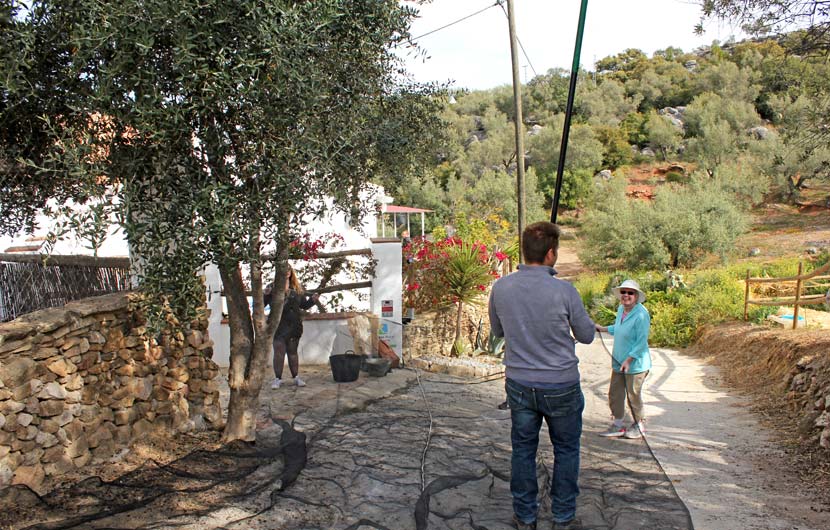
Part of the olive oil process is harvesting and collecting the olives from the trees. "Vareo", in a nutshell, consists of shaking the branches of the olive trees so that the olives fall to the ground.
The olives fall on carefully placed blankets or nets to be collected. Practicing "Vareo" is a fun activity helping you to understand what it takes to be an olive farmer.
Delicious Olive Oil Tasting

Once the olives have been collected, it's off to the mill where the delicious olive oil will be produced.
There are different types of olive oil, the healthiest of them all being extra virgin olive oil, something that will be explained to you during your visit to the mill.
At the end of the tour, and to wet your appetite before lunch, you will get the chance to taste the different varieties. Most people who visit the farm are quite surprised by the intense flavours and aromas of pure olive oil as it is very different to what you are normally used to.
Local Whitewashed Villages for Sightseeing and Lunch
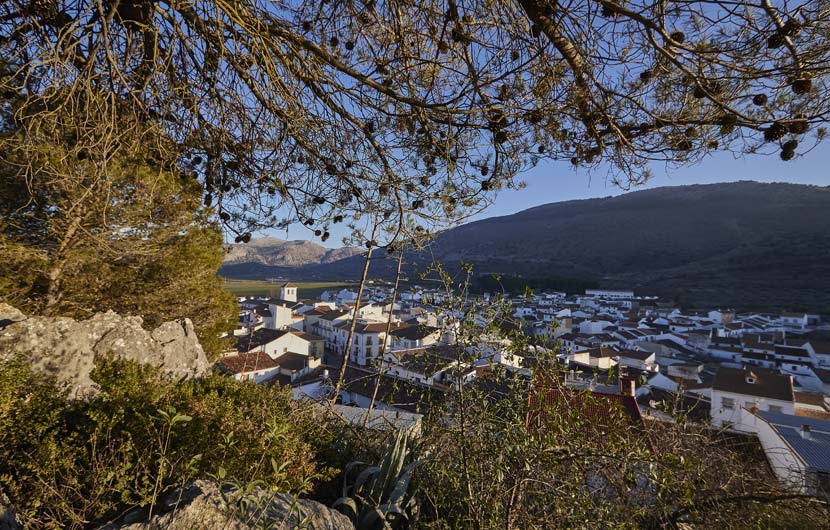
After the visit to the Cortijo, you will go deeper into the Montes de Málaga and we will have lunch in a local restaurant with stunning views of the mountains.
There is no better way to round up an excursion in Andalusia than with a typical Andalusian meal. Indulging your senses and taste buds with rich Mediterranean gastronomy is a must.
After lunch, it’s off to explore the villages of Alfarnate and Alfarnatejo, located in what is called Los Pirineos de la Axarquía (the Pyrenees of the Axarquia ).
Both are beautiful authentic Andalusian villages located in the middle of the picturesque Malaga mountains with amazing views surrounded by olive trees.
This landscape is completely different from what most holidaymakers are used to when staying at the beach resorts of the Costa del Sol.
Click here to book your Olive Oil and Mountains Tour.