


Avila Spain - What To See & Do

When someone tells you they’re heading to Avila, it’s easy to think, “Oh, another historic Spanish city.” But trust me, when they actually step foot in Avila, they’ll see why it’s such a hidden gem.
Avila’s got this charm that’s hard to explain until you’re standing in front of its ancient city walls, feeling like you’ve just travelled back in time. The first time they visit, they’ll be struck by how untouched this place feels. It’s got all the history, but without the crowds and chaos of bigger cities.
One of the highlights has to be the walls themselves—they stretch for miles, towering above the town like something straight out of a medieval fairytale. The chance to actually walk along them? A must-do. And from up there, you´ll catch a glimpse of the cathedrals and squares that make Avila feel like it’s still stuck in the 16th century. It’s a stunning view, especially at sunset when the whole town glows a warm golden hue.
But Avila isn’t just about walls and churches. The town’s got a lovely vibe—quiet streets, cute little cafeterias, and a slow rhythm that makes it the perfect place for a relaxed wander.
Head to the Plaza Mayor, the beating heart of Avila, where you can grab a cafe con leche and just soak in the atmosphere. And if they’re feeling hungry, they need to try the local steak—Avila is famous for its tender, melt-in-the-mouth beef.
It’s a place that’s easy to fall in love with, offering both peaceful escapes and a taste of history all in one. Anyone visiting Avila will soon see why it holds such a special spot in Spain’s heart.

Avila is the highest provincial capital in Spain, a characteristic that takes a toll on its climate.
Winters can be long by Spanish standards and even snowy on occasions, the summers though can still be fiercely hot, fanned by Terral winds. So don’t forget to pack some of those scarves, and jumpers if you plan to visit during the winter months.
5 Interesting Facts about Avila Spain
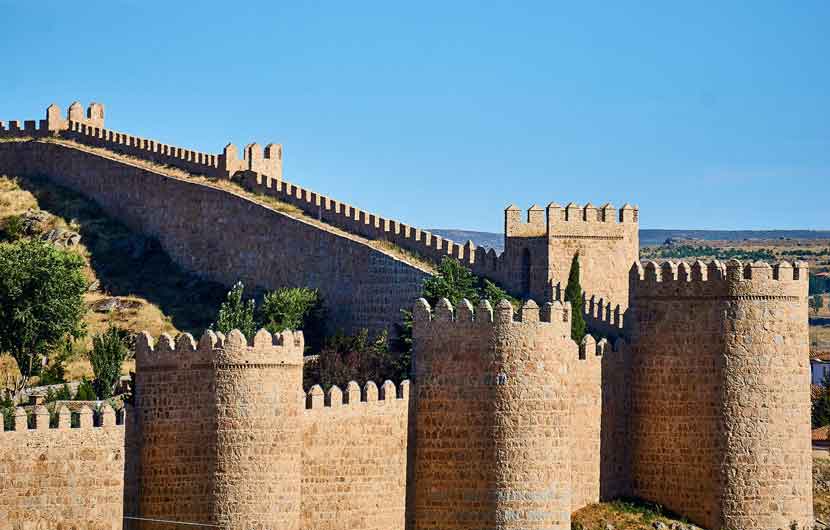
- Avila is the capital of Castile – Leon and is 1120 meters above sea level.
- The city was attacked and captured by the Moors in 1714 then recaptured by the Christians in 1088, the famous protective walls were built to protect the city during the 12th century.
- The famous walls of the city are around 2.200 metres in length and include ninety heavily fortified granite stone towers.
- Now a tourist haven, the visitors during medieval times were religious pilgrims visiting the church which was located in the center of the city.
- Avila was a sacred place to an ancient Celt Iberian culture long before the arrival of the Romans or Christians.
Best 15 Things to Do In Avila

- Explore the Walls of Avila: Marvel at the impressive medieval walls that surround the city, a UNESCO World Heritage site and one of the best-preserved fortified complexes in Europe.
- Visit the Avila Cathedral: Admire the stunning Gothic architecture of this grand cathedral, dedicated to San Salvador, and explore its ornate interior.
- Walk through the Old Town: Take a stroll through the charming streets of the historic centre, lined with medieval buildings, picturesque squares, and quaint shops.
- Discover the Basilica of San Vicente: Visit this Romanesque-style basilica of San Vicente, known for its intricate sculptures and beautiful stained glass windows.
- Explore the Royal Monastery of Saint Thomas: Discover the grandeur of this monastery, where Saint Thomas Aquinas once resided. Admire the impressive architecture and the exquisite art collection inside.
- Visit the Convent of Santa Teresa: Learn about the life and works of Saint Teresa of Avila at this convent, dedicated to the renowned mystic and writer.
- Admire the Church of San Pedro: Explore the Church of San Pedro, an architectural gem that combines Romanesque and Gothic styles.
- Take a Walk on the Four Posts: Enjoy panoramic views of Avila and its surrounding landscapes from this viewpoint located outside the city walls.
- Visit the Caprotti Chocolate Factory: Indulge your sweet tooth and learn about the art of chocolate-making at this traditional chocolate factory.
- Explore the Museum of Avila: Discover the rich history and art of Avila at this museum, which houses a diverse collection of artefacts and works.
- Enjoy the Avila Gastronomy: Taste the local cuisine of Avila, including its famous T-bone steak, Judias del Barco (local beans), and Yemas de Santa Teresa (sweet egg yolk pastries).
- Attend the Medieval Market: If you're visiting during the medieval market held in September, immerse yourself in the festive atmosphere and enjoy the live entertainment and artisan stalls.
- Take a Segovia Day Trip: Explore the nearby city of Segovia, known for its stunning aqueduct, Alcazar, and charming old town.
- Relax in the Natural Parks: Enjoy the natural beauty of the surrounding Sierra de Gredos and Sierra de Avila natural parks, perfect for hiking, picnicking, and outdoor activities.
- Attend the Procession of the Holy Encuentro: If visiting during Easter, witness the solemn procession of the Holy Encuentro, a significant religious event in Avila.
Top Cultural Sites To Visit In Avila
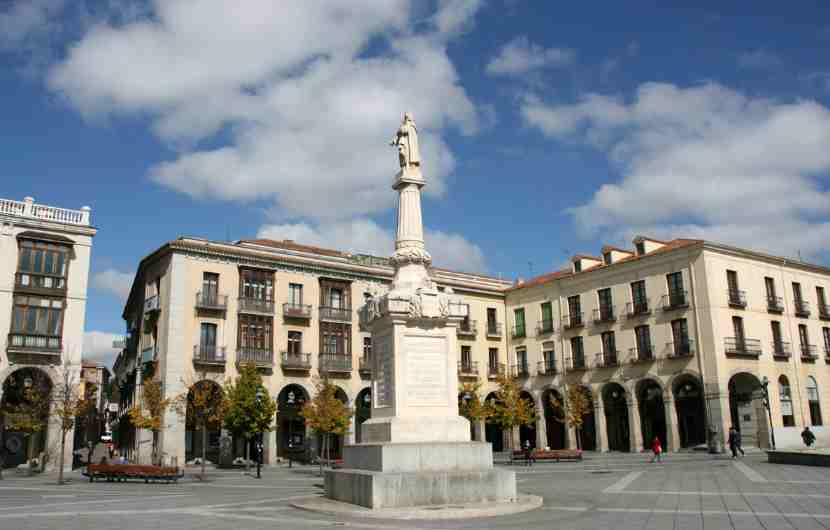
- The Castle walls
- Salvador Cathedral - Catedral del Salvador
- Monastery of Santo Tomas
- Santa Teresa Convent
- Basilica of San Vicente
- Los Cuatro Postes
- The Santo Tome El Viejo Church.
- Plaza Santa Teresa
Avila´s city walls
The impressive walls are the most recognisable and iconic view of the city of Avila. They are one of the most well-preserved medieval structures in Europe, and they were recognised as a UNESCO World Heritage Site in 1985.
The walls were built between the 11th and 14th centuries, during the rule of King Alfonso VI, to protect the city from any other threats at that time.
The wall's dimensions are pretty staggering at 2.5 kilometres in length, a height of over 14 meters, with a thickness of 3 meters. The whole structure was reinforced by 88 towers, nine gates and three large openings.
The walls offer a stunning view of the city and its surroundings and a glimpse into its history and culture. Visitors can walk along some sections of the walls, accessing them from four different points: La Puerta de la Catedral (the Cathedral Gate), Puerta del Alcázar (the Fortress Gate), Puerta del Carmen (the Carmen Gate) and Puerta del Puente (the Bridge Gate).
The walls are open to the public from 10:00 to 18:00, Tuesday to Sunday (closed on Monday). The entrance fee is just 4 euros for general admission and 2.5 euros for reduced admission (groups, retired persons, students and those over 8).
The walls also host various events and activities throughout the year, such as concerts, exhibitions, guided tours and dramatized visits. Some highlights are the Medieval Market in September, the Night of Legends in October and the Christmas Market in December.
Basilica de San Vicente

The magnificent Romanesque church known as the Basilica of San Vicente is a UNESCO World Heritage Site and one of the most iconic landmarks in the city.
The basilica is one of Spain's finest examples of Romanesque sculpture and is well worth visiting, even if you're not a history buff.
There are a number of ornate chapels that house priceless items of art including paintings, and statues.
The Basilica of San Vicente is open to the public every day between the hours of 10:00 and 13:30 and 16:00 and 18:30. The admission price is just 1.40 euros so its well worth paying a visit plus they offer group discounts. On Sundays, the entrance is free.
The Convent of Santa Teresa ( Convento de Santa Teresa )
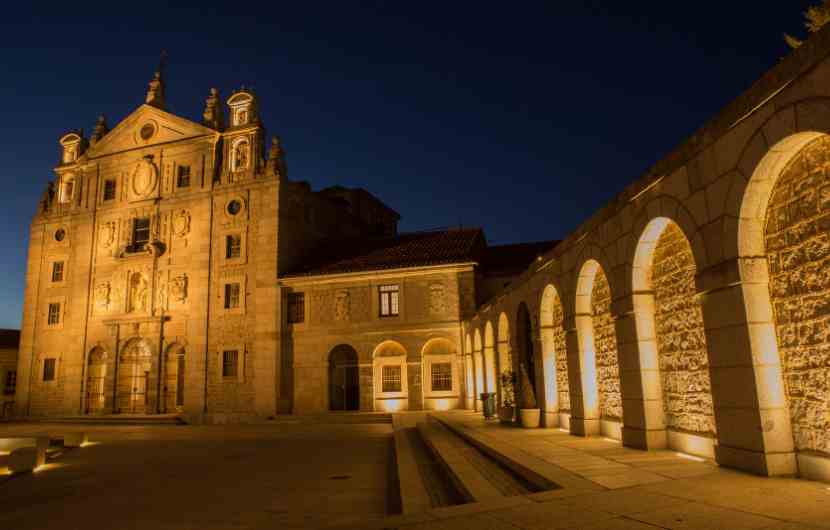
The Convento de Santa Teresa is a church and convent in Avila, dedicated to the city's most famous daughter, Saint Teresa of Avila. The convent was built in the 17th century on the site of the house where Teresa was born in 1515.
The convent consists of three parts: the church, the relics room and the museum. The church has a Baroque facade and a Latin cross plan. The main altar is located over the room where Teresa was born, and it features a statue of the saint by Gregorio Fernández.
The chapel of Saint Teresa contains a marble statue of her and the coats of arms of her family and patrons. The church also has several chapels with paintings and a relics room that displays various objects related to Teresa's life and work, such as her ring, her rosary, her sandals, her writings and even her finger.
There is also a museum located in the crypt below the church, and it exhibits items that illustrate the history and spirituality of the Carmelite order. There is also a small shop where you can buy souvenirs and books.
The convent is open to visitors every day from 10:00 to 13:30 and from 16:00 to 18:30. The entrance fee for the church and relics room is free, while the museum costs just 2 euros. There are also guided tours and audio guides available for an extra charge.
The Gastronomy of Avila Spain

The gastronomy of Avila in Spain is rich, varied and delicious, with strong influences from Muslim, Hebrew and Christian cultures. The cuisine is based on local products, especially meats, pulses and pastries.
Some of the most popular dishes and foods in Avila are:
- El Barco Beans: large white beans that are cooked with pork, chorizo, black pudding and vegetables. They are also known as "pipos" locally.
- Entrecote - T-bone steak: a thick veal chop that is grilled over charcoal and seasoned with salt and garlic. It is one of the most emblematic dishes of Avila and has a designation of origin.
- Yemas de Santa Teresa: sweet cakes made with egg yolks ( Yemas ), and sugar that are named after the famous saint and writer who was born in Avila. They are soft, moist and melt in your mouth.
- Patatas Revolconas: mashed potatoes with paprika and bacon bits that are served as a tapa or a side dish. They are also called "remojón" or "revoltillo" in some places.
- Roast Suckling Pig: a tender and juicy dish that is typical of the north of the province. The piglet is roasted whole in a wood-fired oven and served with salad or roasted potatoes.
- Hornazos: savoury pies filled with sausage and egg that are popular across Castile, but especially in Avila. They are usually eaten during Easter or as a snack.
- Torrijas: slices of bread soaked in milk, egg and sugar, then fried and sprinkled with cinnamon. They are similar to French toast and are eaten as a dessert or a breakfast treat.

Avila Festivals

March: The Holy Week ( Semana Santa ) is one of the main festivals of the year. With religious ceremonies, colour parades and lots of outdoor activities held throughout a week of festivities.
July: Large outdoor festival held all around the city that includes sporting events, exhibitions and other cultural activities.
October: Held on the 15th of October each year this festival is held in honour of Santa Teresa the Patron Saint of Avila. Although this is a religious event there are many activities for all the family such as processions, folk events, gastronomy events, kid's parties, theatre shows, poetry readings, parades and musical concerts.
Avila Hotels and Places To Stay

Ávila offers a range of accommodation options to fit different budgets and styles.
For luxury, the 4-star Hotel Palacio de los Velada, with a rooftop terrace and upscale rooms, is well worth staying at.
On the outskirts, the Parador de Avila is a luxury hotel actually set into the medieval walls. The Parador de Avila also has a pilgrim's dormitory for budget travellers.
Mid-range options include the Hotel El Rastro, with simple but modern rooms and a great central location.
The 3-star Hotel Las Cancelas is comfortable and affordable with a seasonal rooftop pool. Tc
Good budget picks are Hostal Portal del Alma near the cathedral and Hostal el Rastro with basic rooms starting around €50 a night.
The Pension Pechas and Pension La Sinagoga are no-frills guesthouses popular with pilgrims. Near the train station, the Pension Regia and Hotel Corona Real offer affordable lodging.
For a unique experience, travellers can stay in a converted 12th-century convent at the Hospederia de Santo Tomas.
Campgrounds like Camping Avila and rural homestays outside town provide scenic, low-cost options in the area surrounding Avila.