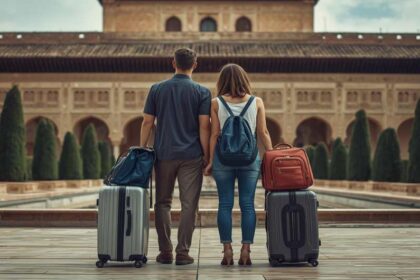



Spain, with its sun-kissed beaches, vibrant cities, and rich culture, is a dream destination for countless travellers.
Whether you're a solo adventurer, a family seeking fun, a young group looking for excitement, or part of the LGBTQ+ community, Spain offers something for everyone.
But just as with any foreign country, it's essential to prioritise safety while immersing yourself in the local experience.
Rest assured, Spain is generally a very safe country. Violent crime rates are low, and the locals are known for their warm hospitality. However, like any tourist hotspot, it's wise to take sensible precautions to protect yourself and your belongings. That's where we come in.
This guide is designed to equip you with the knowledge and tips you need to enjoy your Spanish adventure worry-free. We'll cover everything from common sense safety measures to specific advice for different types of travellers.
By following a few simple common sense rules, you can focus on creating unforgettable memories without compromising your safety.
Weather Considerations

Spain boasts a diverse climate, offering something for every type of traveller. From the sun-soaked Mediterranean coast to the rugged Pyrenees, understanding the weather conditions of your destination is crucial for a comfortable and enjoyable trip.
Much of Spain's southern coast is blessed with a warm, arid climate, perfect for beach lovers and those seeking endless sunshine.
Summer temperatures can soar into the high 30°C (100°F) range, making it essential to stay hydrated, wear appropriate sun protection, and avoid outdoor activities during the hottest parts of the day.
Conversely, if you're planning a winter escape, consider the northern regions, where you'll find charming cities like San Sebastian and Bilbao. While these areas experience milder temperatures than the south, they can be quite rainy, so pack accordingly.
If your seeking outdoor adventures, the Pyrenees and Cantabrian Mountains offer stunning landscapes but also present unique weather challenges. These regions experience an alpine climate with colder temperatures and the possibility of snowfall, even in spring and autumn.
If you're planning a hiking or skiing trip, be sure to check the weather forecast and pack warm, waterproof clothing.
No matter your destination, it's essential to be prepared for changing weather conditions. Packing versatile clothing layers and carrying a lightweight rain jacket are always good ideas.
By understanding Spain's weather and planning accordingly, you can make the most of your trip and avoid any unpleasant surprises.
Health Risks

Spain is considered to be a very safe country in terms of health risks. The standard of healthcare is high, and serious health threats are uncommon for visitors.
However, as with any travel destination, it's wise to take some precautions.
While the risk of contracting serious diseases in Spain is low, it's always a good idea to ensure you're up-to-date with routine vaccinations before your trip.
This typically includes vaccinations for measles, mumps, rubella, diphtheria, tetanus, pertussis, polio, influenza, and chickenpox. You may also consider vaccinations for hepatitis A and B, depending on your travel plans and personal health history.
It's advisable to pack insect repellent and take precautions to avoid mosquito bites. These measures can also help protect against other insect-borne diseases.
Should you experience any health issues during your trip, Spain has a well-developed healthcare system. In case of emergencies, you can dial 112 for immediate assistance.
It's important to note that while emergency treatment is free, other medical services may require payment. Therefore, having travel insurance is highly recommended to cover any unexpected medical expenses.
By taking these simple precautions and being aware of potential risks, you can enjoy your trip to Spain with peace of mind.
Digital Safety

In today's digital age, our devices are essential companions, especially when travelling. To ensure a seamless and secure experience in Spain, it's crucial to protect your PC and mobile devices to stay safe online.
One of the most significant expenses when visiting Spain is often the hefty roaming charges associated with mobile data usage. Thankfully, gone are the days of juggling multiple SIM cards.
The advent of eSIM technology offers a convenient and cost-effective solution. By purchasing an eSIM plan before your trip, you can enjoy local data rates without the hassle of physically swapping SIM cards. This means staying connected while avoiding exorbitant bills.
If you don’t know which eSIM provider is suitable for you, check out reputable online providers such as Holafly, Simify, Esimgeek, Saily and Nomad to compare the best eSIM deals available.
Beyond data usage, protecting your devices from cyber threats is paramount. Public Wi-Fi networks, while convenient, can be vulnerable to hackers. To safeguard your sensitive information, consider using a VPN (Virtual Private Network) to encrypt your online activity.
Additionally, keep your devices' software and apps up-to-date with the latest security patches. Regularly backing up your data is also essential to protect against accidental loss or device theft.
If you’re keen on using free Wi-Fi, protect yourself by installing a VPN first. The VPN will encrypt and secure the connection, ensuring no one can track what you’re doing or access the data you send and receive.
If you get a VPN before your trip, make sure to figure out how to find cheap flights with one. It’s a smart life hack that could come in handy, especially if you are travelling on a budget

Cybercrime and related incidents know no borders, so assume that they can happen to you in Spain. Skimmers are rare but not unheard of, so check any ATMs before making transactions. Stick to ATMs, banks, and official exchange offices for fair conversions.
Tourists at airports, restaurants, and cafés will happily take advantage of the complimentary Wi-Fi without realising the potential dangers. Such public connections are trivial to monitor and imitate. Even a low-level hacker could use them to monitor your online traffic or copy important credentials like your account & payment information.
Lastly, people often place their phones on the table for easy access, which makes them prime targets for swift thieves. Minimise phone usage during outings and put it away safely once you’re done using it.
Crime

There is comparatively little serious crime in Spain. Locals and tourists feel safe whether they're walking the streets of Barcelona or trekking through far-flung parts of Aragon. However, petty crime is alive and well, especially in large cities and other touristy areas.
Pickpockets and scams present the most immediate danger. You'll want to carry as few valuables as possible and keep your smartphone and wallet in hard-to-reach places like a jacket's inside pocket or a zipped-up body pack concealed under a T-shirt.
Scams range from fake petitioners or taking “free” photos with street performers to sophisticated police and taxi driver impersonation. Read up on each fraud and how to avoid it. Remain aware of your surroundings, don’t engage with suspicious characters, and don’t stand out. The best thing you can do is to know where you’re going at all times and not look like the typical tourist.
Terrorist & Domestic Threats
Spain is among the safest nations on the planet. Still, it's not entirely free from terrorist threats, and there are occasional domestic disturbances. The country’s terrorist threat index is low, so a glance at your country’s current security advisory before heading out should be enough.
Spain is no stranger to independence protests, primarily orchestrated by groups in the Basque country and Catalonia.
While unrest and protests have largely ceased, follow the local news for the region you wish to visit beforehand or check for any local issues in Spain that may be mentioned on a Government website in the country where you are located, and plan accordingly.
Traveling as a Woman or LGBTQ+ Person
Spain has made significant strides in becoming a progressive and inclusive country, making it a welcoming destination for women and LGBTQ+ travellers.
However, while the overall atmosphere is tolerant, it's essential to be aware of your surroundings and practice common-sense safety measures.
For women travelling solo, it's advisable to stick to well-lit and populated areas, especially at night. Trust your instincts and be cautious when accepting invitations from strangers. As with any travel destination, it's important to be aware of your belongings and avoid carrying excessive amounts of cash.
Spain is generally considered LGBTQ+ friendly, particularly in major cities like Madrid and Barcelona. However, attitudes can vary in smaller towns and rural areas. It's always a good idea to research specific destinations before your trip.
To respect local customs and traditions, it's essential to dress appropriately in certain places, such as religious sites and some rural areas. Covering shoulders and knees is generally considered respectful.
Remember, preparation and awareness are key to enjoying a safe and fulfilling trip. By understanding local customs and taking sensible precautions, you can immerse yourself in the rich culture and beauty that Spain offers.
Spain is generally considered LGBTQ+ friendly, particularly in major cities like Madrid and Barcelona. However, attitudes can vary in smaller towns and rural areas.