

The Camino de Santiago ( The Way of St James ) is a collection of old pilgrimage routes, all of which have one thing in common: their destination, Santiago de Compostela.
This unique pilgrimage was named after the Apostle Saint James, who the Romans sent to “Finis Terrae”, “end of the world”, to preach and convert people to Christianity.
The way of Saint James has been an important Christian pilgrimage route since medieval times and has been in use for over 1000 years. Pilgrims believe that all sins will be forgiven by walking the St James Way, although not everyone nowadays walks purely for religious reasons.
The route was declared a Unesco World Heritage Site in 1993.
Why the Camino is loved by so many

People are drawn to the Camino de Santiago for its sense of purpose, offering a chance to disconnect from modern life and reconnect with themselves, nature, and others.
The journey fosters camaraderie among pilgrims, creating a shared experience that transcends borders and backgrounds.
The most popular route is the Camino Frances, stretching approximately 780 kilometres from St Jean Pied de Port in France. It is beloved for its well-marked paths, diverse landscapes, and vibrant pilgrim culture.
Other notable routes include the Camino Portugues, known for its coastal scenery, and the Camino del Norte, which offers stunning views of the Cantabrian coast.
The Camino’s appeal lies in its simplicity: walking with intention, embracing the unknown, and finding joy in small moments.
Whether for spiritual growth, adventure, or personal challenge, the Camino leaves an indelible mark on all who tread its paths.
Choosing the route

Some Camino routes are more suitable for the winter months than others, although that primarily depends on your fitness level and preferences.
For example, the most popular route, Camino Frances, is still a great option in the winter since it has a well-established infrastructure with hotels and restaurants.
It is also a beginner-friendly route that attracts people from all walks of life.
However, it is located in northern Spain, where the weather gets colder and rainier.
Camino de Invierno, literally translating to the Winter Way, is a route specifically designed for the colder months, known for avoiding high-altitude sections so the temperatures do not fall too low.
The Camino Portugues, on the other hand, follows along the coast of Portugal before taking you to Spain.
This route tends to experience warmer weather in the winter, although the coast can also be windy. There are several options, so do your research and pick the most suitable one based on lengths and difficulty levels.
Using a travel agency
Planning a Camino de Santiago can be overwhelming, so using a well-established travel agency is the way to go for many travellers.
Several tried-and-tested Camino de Santiago travel companies include Orbis Ways, Camino Ways, Follow The Camino and Galiwonders.
This is particularly helpful during the off-season, as many places may work in limited capacity.
Physical preparations

Walking the Camino de Santiago requires good physical fitness, regardless of the time of the year. However, when weather conditions are harsher and the days are shorter, you will likely need to walk more in a shorter time.
So, it’s always a good idea to start training a couple of months before your trip to build up your stamina. Do this by going on regular walks and making them longer until you can comfortably walk 20–30 kilometres a day. Also, start wearing the shoes you plan to wear during your Camino, especially if they are new. This will help avoid unwanted blisters down the line.
Packing clothing

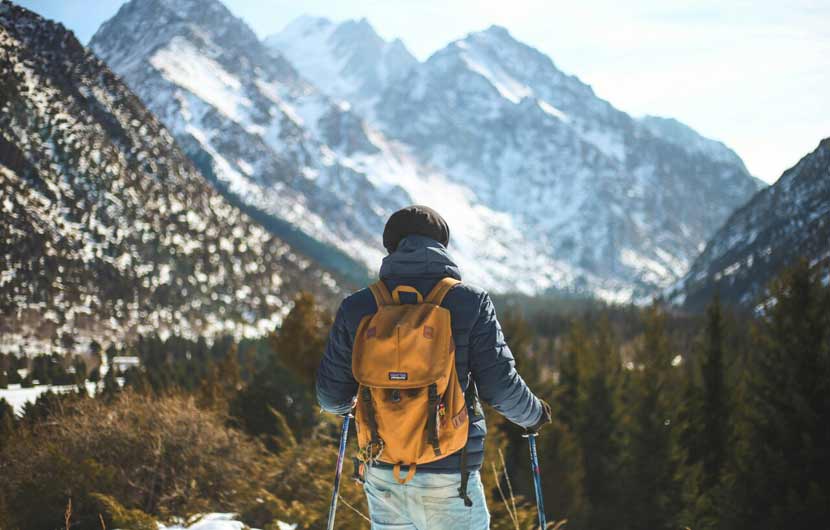
Packing for Camino de Santiago in the winter requires much more consideration, as you must be prepared for all weather conditions. Layers will be your best friend here - they allow you to adapt to the changing temperatures throughout the day, as you can always take some off when you get too warm.
The type of materials you wear will also be necessary. Ideally, you would have thin but moisture-wicking base layers, such as merino wool or fleece. While a bit more expensive, they will keep you warm without making you sweat. They are also very quick-drying, so you don’t have to bring too many items.
Moreover, your outer layers, including your jacket and boots, should be waterproof and windproof. Opt for comfortable hiking boots that protect your feet from moisture, especially if there is a lot of rain or snow during your trip. Your backpack should also withstand rain; if not, it should have a rainproof cover. Other must-haves include gloves and a hat or beanie.
Other essentials
Packing as smartly as possible for other items is essential. Remember that you will likely be carrying your belongings with you, so the weight of your backpack should be manageable. Therefore, aim only to pack what’s necessary, like your everyday hygiene essentials, water, snacks, and phone. Some other winter-related items may include a small headlamp for when it gets darker and a power bank; always have a battery in emergencies.
Things to remember
Here are some of the most important things to remember and plan for when doing Camino de Santiago in the winter:
- Weather conditions: Even though Spain is relatively mild all year, certain areas get colder than others, and weather conditions can be unpredictable. You must check weather forecasts close to your trip to plan for each day better. Additionally, it’s best to avoid mountainous sections during heavy snowfalls.
- Shorter days: Daylight hours are limited in the winter, as sunset can be as early as 4 or 5 pm. Your goal during this trip should be to make the most of natural light, which will also be the warmest time of day. Start walking early and make sure you can reach your destination before nightfall.
- Limited services: Winter is the off-season for Camino de Santiago, so many businesses tend to close or work shorter hours during this period. This might make things tricky when you need to stop quickly for lunch or book your hotel. So, always look up the working hours of the cafés along the way and carry some snacks on hand.
What are the typical Camino costs?

Walking the Camino de Santiago can be tailored to suit various budgets, but understanding typical costs helps pilgrims plan effectively. The primary expenses include accommodation, food, transport, and gear. On average, a pilgrim might spend €25-€35 per day.
Accommodation in Albergues - Municipal Albergues, parochial hostels, and donativo accommodations are the most budget-friendly options for pilgrims. Prices typically range from €8 to €13 per night, though they can occasionally be higher.
The facilities are simple yet generally well-maintained and clean. Often managed by volunteers, these hostels provide essential amenities such as a bed, access to showers, and sometimes even a shared meal. Rooms are usually mixed-gender, and while the atmosphere is communal and welcoming, be prepared for the realities of shared living and the occasional unexpected noise!
If budget allows, we highly recommend small hotels or private rooms within an Albergue. Expect to pay between 60 and 90€ Euros for a private twin room. This can be cheaper if you’re happy to share a bathroom with a few other pilgrims.
Meals can be budgeted at €10-€15 daily if cooking in albergue kitchens or eating pilgrim menus, which offer three-course meals for around €10-€12. For snacks and drinks, add a few extra euros.
Transport costs depend on how pilgrims reach the starting point. Flights or trains to cities like St Jean Pied de Port or Sarria vary widely, but budget airlines and rail passes can help reduce expenses. Gear, including sturdy footwear, a backpack, and weather-appropriate clothing, can initially cost €200-€400, though many reuse existing items. Sites such as Sellpy offer a wide range of quality re-used nature trail clothing.
Miscellaneous expenses, such as souvenirs, laundry, or museum entry fees, add around €5-€10 daily. While the Camino can be done frugally, having a buffer for unexpected costs ensures a more comfortable journey.