


You step off the plane in Gran Canaria, that first blast of warm Atlantic air hitting your face, and suddenly all those winter layers feel like a distant memory. Most visitors make a beeline for the same old resorts, the same crowded beaches, the same overpriced sangria joints. But not you. Not this time. Because I’m about to let you in on the Gran Canaria that stole my heart – the one hiding just beyond the tourist brochures.
I remember my first proper discovery on the island – stumbling upon a tiny guachinche (that’s Canarian for a no-frills local eatery) in the wrinkled hills above Telde. The owner, a leathery-faced farmer named Pepe, served me papas arrugadas with mojo that made my eyes water in the best possible way, all while his grandchildren played with goats in the yard. That’s when I realised: the real Gran Canaria isn’t found on laminated menus in Playa del Ingles. It’s in the cloud-wrapped villages where abuelas still make gofio by hand, in the volcanic ravines where hidden natural pools glimmer, in the fish shacks where yesterday’s catch becomes today’s life-changing lunch.
This island has a way of surprising you when you least expect it. One minute you’re navigating a maze of sugar-cube houses in Arucas, the next you’re standing atop Roque Nublo as the sunrise paints the caldera gold. You’ll find yourself sipping local rum in a cave bar one evening, then waking up to the smell of salt and fresh bread in a fisherman’s cove the next morning.
What most visitors miss is how wildly diverse this “mini continent” really is. Beyond the dunes of Maspalomas lies a world of laurel forests straight from a fairytale, black-sand beaches where the waves roll in like liquid obsidian, and highland trails where the silence is broken only by goat bells. The food alone could fill this entire guide – from the wrinkly potatoes that started my love affair with Canarian cuisine to the clandestine beach barbecues where locals grill fresh-caught vieja (parrotfish) as the sun dips into the Atlantic.
Explore the capital of the island

No trip to Gran Canaria is complete without visiting the capital of the island, Las Palmas. The town is home to the majority of the cultural attractions here, as well as an excellent selection of restaurants and bars.
The historical district, Vegueta, is rich in museums and historical monuments, such as the Canarian Museum, Plaza de Santa Ana, and Calle Triana. The most important thing to discover is the link between Christopher Columbus and this area of the city. For example, Columbus prayed in the hermitage of San Antonio Abad on his way through the island.
Las Palmas also has a stunning beach called Las Canteras, the perfect location to stop and relax for a couple of hours or participate in activities like surfing and volleyball. The promenade, extending from the Alfredo Kraus Auditorium to La Puntilla, is ideal for an evening saunter. Here,, you’ll find an array of eateries and shops to pass the time.
Getting around Gran Canaria
If you are planning numerous excursions, we recommend renting a car to make the most of your holiday and visit all of the most interesting attractions on this fascinating island.
Public transport is available but doesn't reach all areas of the island, and there is no train service. The buses are run by Global ( Blue Buses ), which operates all around Gran Canaria, and the Guaguas Municipales ( Yellow Buses), which operate mainly in the capital Las Palmas. Taxis are also available but are mostly used for shorter rides. Another good choice would be a Gran Canaria airport transfer, which offers a bus shuttle service to and from the airport, or you could go for a private car rental for the whole of your stay.
Make your way around a volcanic crater

Not far from Las Palmas, you’ll find the volcano of Caldera de Bandama. The volcano's crater is a staggering 200 metres deep and 1,000 metres in diameter. The landscape of Gran Canaria is abundant with greenery and indigenous flowers, providing picturesque views.
You have the option of traversing two trails. The first leads into the crater, where you’ll find species of lizards and plants along the way. The second takes you around the crater's rim, which is the perfect opportunity for that incredible holiday photo.
Explore the floral scene at the botanical garden

The flora in Gran Canaria is diverse and highly unique. This is because the volcanic soil here is fertile and there are many different landscapes, including mountains, deserts and barren land. If you’re a big fan of cacti or succulents, you’ll love the botanical garden in Gran Canaria.
The garden was established by a Swedish-Spanish botanist in 1953. Its intention is to protect and preserve the native plants on the island in a more beautiful and natural style.
There aren’t any guided tours here. The park is specially designed to allow visitors to stroll through and admire the natural style of the gardens. It’s a great place to go for a pleasant walk without hiking in the mountains and can be accessed by those who are less mobile.
Discover the quaint village nestled in the mountain

While the name may initially turn you away, the village of Teror is one of the most charming on the island.
Located toward the north, the village is best known for her Virgin, enthroned at the base of the Basílica de Nuestra Señora del Pino. The Virgin was declared the patroness of Gran Canaria and is honoured each year on the 8th of September by a big fiesta.
Teror is known as the island’s ‘green town’ due to its spectacularly green landscapes and deep valleys. Arguably, it could be the most picturesque village on the entire island.
Go hiking off the beaten path

If you’re looking for adventure and a chance to push yourself, Gran Canaria is the ideal location. The island is full of incredible hiking trails, some less well-known than others.
Playa de Güigüí is off the beaten track due to its inaccessibility. The journey toward the beach isn’t easy but is well-marked, so you needn’t worry about getting lost. On the way, you’ll find some ruins and a black sandy beach with crystal-clear Atlantic waters. Not to mention, there is a fantastic view of the Teide volcano.
Reserve a whole day to spend time outdoors and relax on the beach. You must also take your day supplies, including sun cream, a suitable hat, and plenty of water.
Taste some of the island’s delicacies
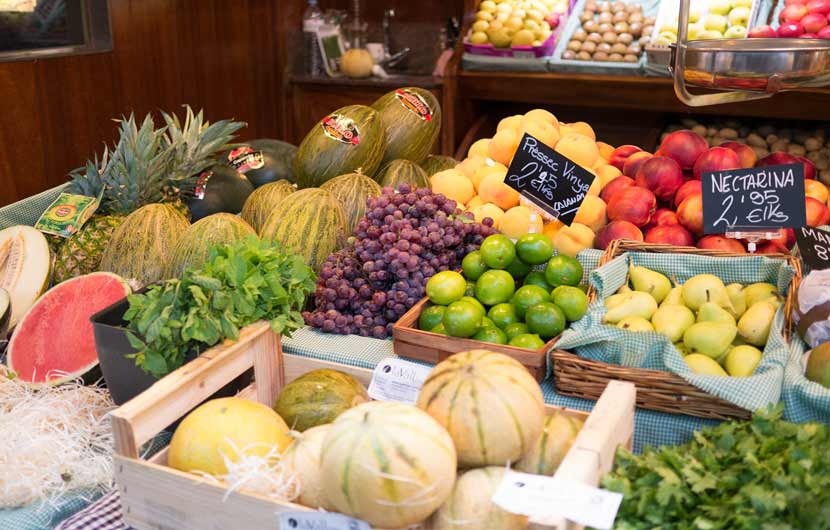
Just behind Las Canteras beach is the Mercado del Puerto, a charming market that sells everything from fresh fruit and vegetables to traditional tapas and cured meats. The best produce sold here includes parrotfish, palm honey and montaditos, as well as classics like pizza.
Las Palmas’ Mercado del Puerto is perfect for your day one itinerary if you’ve been travelling all morning and want to relax.
You’ve then got the beach close by and a long street filled with restaurants to grab dinner later.
Immerse yourself in the nightlife!

The fun and adventure in Gran Canaria don’t end once the sun goes in. If you’re still exhausted, head to the tourist resorts or the city centre. Here, you’ll find a variety of trendy establishments, recreational areas and live performances. Some best nightclubs include Malecon De La Habana Disco La Divina in Las Palmas and Jocker Nightclub in Puerto Rico.
It’s relatively easy to find a lively local festival during the summer months, both on the coast and inland. One of the most popular festivals, the Fiesta de la Rama, has been a tradition on the island since Indigenous times. Participants ask the gods for rain. The procession passes through the streets of Agaete, with branches waved in the air to traditional music.

If you’re looking for something slightly more relaxed, there are plenty of astro-tourism activities to participate in. Gran Canaria is highly regarded for its stargazing opportunities, primarily due to its high peaks, clear skies and little wind. Going on a stargazing excursion alongside a specialist guide is something you’ll never forget and probably won’t get to do again!