

From flamenco faux pas to siesta slip-ups—what not to do in Spain’s most passionate region
Andalucia is one of those places that gets under your skin in the best possible way. From the scent of orange blossoms in Seville to the salty breeze rolling in from the Cadiz coast, it’s a region that embodies culture, history, and passion.
But it’s also a place with its own pace and personality, and if you’re not careful, you might find yourself committing a few unintentional blunders.
I’ve spent a fair bit of time wandering through its cities, villages, and countryside of Andalucia, and I’ve learned a lot—sometimes the hard way.
So here’s my personal list of 21 things not to do when visiting Andalucia, so you can enjoy it like a local and avoid the rookie mistakes I’ve already made for you.
1. Don’t Expect Everyone to Speak English
While English is relatively common in tourist-heavy areas like Malaga or Seville, once you venture into the smaller towns or rural spots, it’s a different story. I remember arriving in a sleepy village near Jaén and trying to ask for directions to my guesthouse.
The woman I asked didn’t speak a word of English, and my Spanish was embarrassingly basic at the time. We ended up communicating through hand gestures and a lot of laughter, but it taught me a valuable lesson: even a few simple Spanish phrases can go a long way.
Locals really appreciate the effort, and it opens doors to more genuine experiences.
2. Don’t Call Flamenco a “Dance Show”
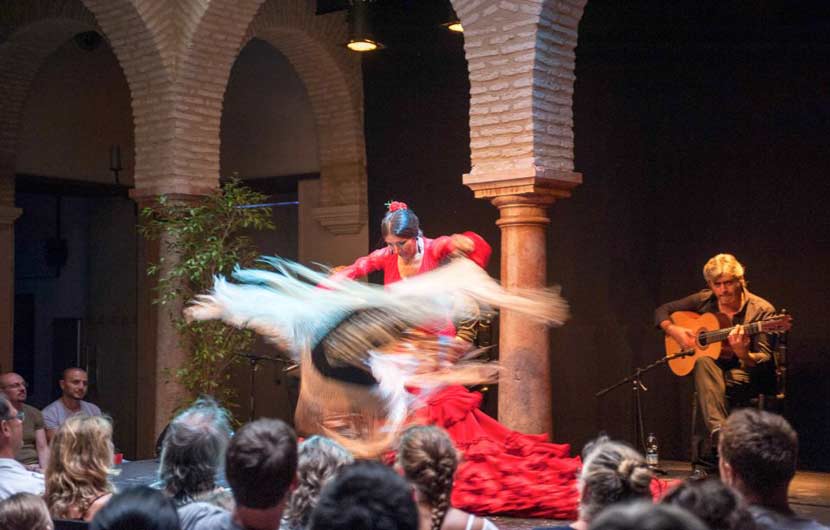
Flamenco is so much more than just a performance—it’s a deeply emotional expression of Andalusian identity. I once made the mistake of referring to it as a “dance show” while chatting with a local in Granada, and I could see the disappointment in his eyes.
Flamenco is a blend of song, dance, and guitar, rooted in centuries of history and struggle, especially among the Roma community.
When you watch a true flamenco performance in a small tablao or even a spontaneous street setting, you’ll feel it in your bones. It’s raw, powerful, and not something to be reduced to mere entertainment.
3. Don’t Eat Dinner Before 8 pm.

If you’re used to eating dinner at 6 or 7 pm, prepare for a bit of a cultural adjustment. In Andalucia, dinner is a late-night affair. Most locals won’t even think about sitting down for their evening meal until 9 pm, and many restaurants don’t open their kitchens until 8.
I learned this the hard way during my first visit to Cordoba, when I showed up at a restaurant at 7:30 p.m. and was met with confused looks and a half-empty dining room. The trick is to embrace the local rhythm—have a late lunch, enjoy a siesta or a stroll, and then head out for tapas and wine once the sun dips below the horizon.
4. Don’t Skip the Siesta
It’s not just a charming stereotype—siesta is alive and well in many parts of Andalucia, especially in smaller towns. Between 2 pm and 5 pm, you’ll often find shops, banks, and even some restaurants closed as locals retreat indoors to escape the heat and recharge.
I once found myself wandering the streets of Ubeda in the blazing afternoon sun, wondering why everything was shut. It’s best to plan your day around it: do your sightseeing in the morning, take a break during siesta hours (a long lunch or a nap works wonders), and then head back out in the cooler evening. Trust me, your feet—and your sanity—will thank you.
5. Don’t Assume Tapas Are Free Everywhere

Granada is famous for its free tapas—order a drink, and a small plate of food magically appears. It’s a brilliant tradition, and one that spoils you quickly. But don’t expect the same treatment everywhere in Andalucia.
In Seville, Malaga, and most other cities, tapas are something you order and pay for, just like any other dish. I remember sitting in a bar in Cadiz, waiting patiently for my free tapa to arrive with my beer, only to realise it wasn’t coming. It’s not a rip-off—it’s just a regional difference.
When in doubt, ask the bartender how it works. And honestly, even the paid tapas are usually worth every cent.
6. Don’t Rush Through the Pueblos Blancos

The white villages of Andalucia—like Ronda, Mijas, and Vejer de la Frontera — are some of the most beautiful places I’ve ever seen. But they’re not meant to be ticked off a list in a single afternoon. These towns are all about atmosphere: narrow cobbled streets, flower-filled balconies, sleepy plazas, and the occasional donkey trotting past.
I once spent an entire day in Grazalema doing little more than sipping coffee, chatting with locals, and watching the clouds roll over the mountains. It was bliss.
So slow down, stay a night or two, and let the charm of these places sink in. You’ll discover hidden corners and quiet moments that no guidebook can prepare you for.
7. Don’t Wear Beachwear in Town
It might be tempting to stroll straight from the beach into town in your swimsuit and flip-flops, especially in places like Nerja or Tarifa.
But in Andalucia, it’s considered a bit disrespectful to walk around shops or restaurants in beachwear. I once popped into a bakery in just my bikini top and shorts and got a few raised eyebrows—not hostile, just surprised.
A light cover-up or sundress is all it takes to blend in and show a bit of respect for local norms. Plus, you’ll feel more comfortable when you inevitably end up sitting down for a spontaneous tapas break.
8. Don’t Forget to Validate Your Train Ticket

If you’re taking a regional train in Andalucia, especially the smaller commuter lines, you often need to validate your ticket before boarding.
There are little machines near the platforms where you stamp your ticket to show it’s been used. I didn’t realise this on a trip from Jerez to Cadiz and ended up getting a polite but firm talking-to from the conductor. It’s a small detail, but one that can save you a fine or an awkward conversation.
If you’re unsure, just ask someone at the station—they’re usually happy to help.
9. Don’t Try to See Everything in One Trip

Andalucia is massive. It’s made up of eight provinces, each with its own unique flavour, from the Moorish splendour of Granada to the flamenco heart of Seville and the rugged coastline of Almeria.
Trying to cram it all into one trip is a recipe for exhaustion. I once attempted to do Seville, Cordoba, Granada, and Cadiz in ten days and ended up feeling like I’d barely scratched the surface of any of them.
Pick two or three places and really get to know them. You’ll have a richer experience, and you’ll already have a reason to come back—which, trust me, you’ll want to.
10. Don’t Assume Bullfighting Is Universally Loved
Bullfighting is a deeply rooted tradition in parts of Andalucia, but it’s also a highly controversial one. Some locals are passionate defenders of the cultural heritage, while others are strongly opposed to it.
I once brought it up casually in a conversation in Malaga and quickly realised it was a sensitive topic. If you’re curious, visit a museum or read up on the history, but don’t assume everyone sees it the same way.
11. Don’t Skip the Local Markets
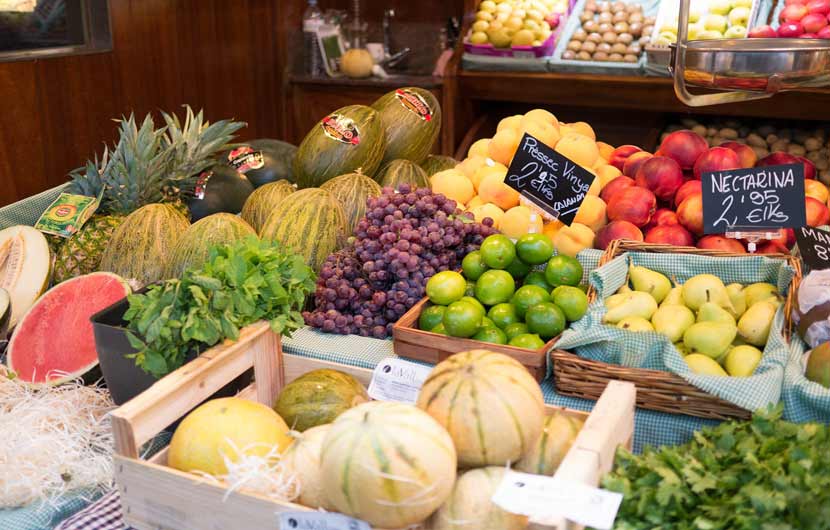
If you really want to get a feel for Andalusian life, skip the supermarket and head straight to the local market. These places are buzzing with energy—stallholders shouting out their daily specials, locals catching up over fresh produce, and the smell of spices, cured meats, and ripe fruit hanging in the air.
I still remember the market in Antequera, where I bought a bag of olives so good I nearly cried. It’s not just about shopping—it’s about soaking up the atmosphere.
You’ll find everything from handmade cheeses to fresh fish, and often at much better prices than the touristy spots. Plus, it’s a great way to practise your Spanish and strike up a chat with the locals.
12. Don’t Expect Fast Service

Dining out in Andalucia is a leisurely affair. Meals are meant to be savoured, and not everyone is in a rush. I’ve had meals in Seville where the starter took half an hour to arrive, and the bill didn’t show up until I asked for it twice. But here’s the thing: it’s not bad service, it’s just the way things are done at some eateries.
People linger over lunch, chat between courses, and enjoy the moment. So don’t get impatient—order a drink, nibble on some olives, and settle in. You’re not just eating, you’re participating in a cultural ritual. And once you embrace the pace, it’s actually quite lovely.
13. Don’t Miss the Local Fiestas

Every town and village in Andalucia has its own fiesta, and they’re absolutely worth planning your trip around. These aren’t just parties—they’re full-blown celebrations of local identity, often with centuries of history behind them.
I stumbled into the Feria de Abril in Seville once, completely by accident, and ended up dancing in a caseta with strangers until the early hours. There were horses, flamenco dresses, live music, and more food than I could handle.
Even smaller towns like Almunecar or Ecija have incredible festivals with parades, fireworks, and traditional costumes. If you get the chance to attend one, don’t hesitate. Just be prepared for late nights and lots of fun.
14. Don’t Overdress for the Beach

Andalucia’s beaches are stunning, but the vibe is relaxed and unfussy. You’ll see locals in simple swimsuits, flip-flops, and sun hats—not designer gear or flashy accessories.
I once turned up to a beach in Marbella wearing a fancy cover-up and gold sandals, thinking I was being stylish, and immediately felt out of place.
The locals were in shorts and t-shirts, and I looked like I was heading to a cocktail party. Keep it simple and practical—especially if you’re planning to walk along the sand or grab a bite at a beachside chiringuito. Comfort is key, and you’ll blend in much better.
15. Don’t Forget to Carry Cash

While card payments are widely accepted in cities, smaller towns and rural areas still rely heavily on cash. I’ve been caught out more than once—like the time I tried to pay for a coffee in a tiny village near Huelva and the café didn’t even have a card machine.
Some local markets, bakeries, and bars also prefer cash, especially for small purchases. It’s always a good idea to carry a bit of change and a few notes, just in case. ATMs are easy to find, but they’re not always nearby when you need them.
Having cash on hand saves you the hassle and lets you shop like a local.
16. Don’t Assume All Tapas Are the Same
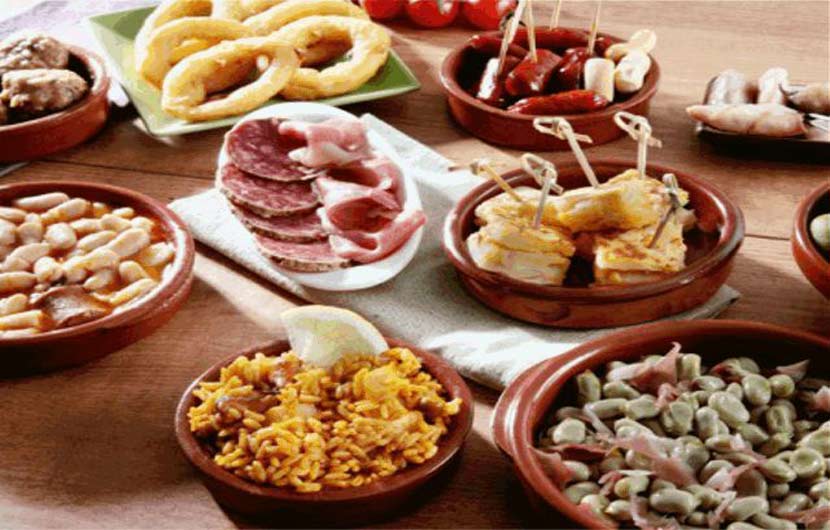
Tapas vary wildly across Andalucia, and that’s part of the fun. In Jaén, you’ll find dishes drenched in the region’s famous olive oil. In Cadiz, it’s all about fresh seafood—think tiny fried fish called “pescaito frito” or tangy tuna salads.
I once ordered a tapa in Almeria expecting the usual jamon or cheese, and got a plate of snails instead. It was surprisingly tasty, but definitely unexpected. The best way to discover what’s local is to ask your waiter or bartender. They’ll usually be proud to recommend something traditional, and you’ll get a much more authentic experience than sticking to the usual suspects.
17. Don’t Ignore the Sierras
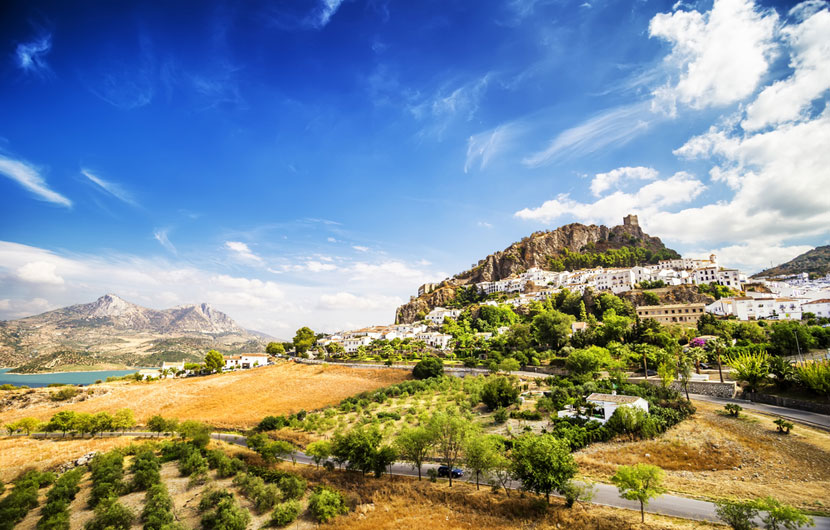
Everyone talks about the beaches and cities, but Andalucia’s mountains are absolutely breathtaking.
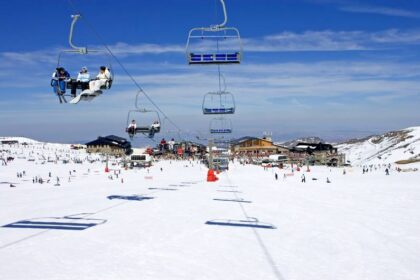
The Sierra Nevada near Granada offers snow in winter and hiking trails in summer, while the Sierra de Grazalema is lush, green, and full of wildlife. I spent a few days in the Alpujarras once, staying in a tiny village with views that looked like something out of a painting. The air was crisp, the food was hearty, and the pace of life was wonderfully slow.
If you love nature, don’t miss the chance to explore these areas. Whether you’re hiking, driving, or just sitting with a view, the sierras offer a whole different side of Andalucia.
18. Don’t Be Shy About Asking for Recommendations
Andaluces are famously friendly, and they love sharing their favourite spots. I’ve had some of my best meals thanks to a casual chat with a bartender or a shopkeeper.
One time in Cordoba, I asked a taxi driver where to eat, and he sent me to a tiny family-run restaurant that wasn’t even on Google Maps. It was incredible—homemade salmorejo, grilled pork, and a dessert that tasted like heaven.
Don’t be afraid to ask locals for tips. Whether it’s food, sights, or hidden beaches, they’ll usually be delighted to help. Just be polite, smile, and show genuine interest—you’ll be rewarded with experiences you’d never find on your own.
19. Don’t Assume It’s Always Hot

Yes, Andalucia is known for its sunshine, but it’s not tropical year-round. Winters can be surprisingly chilly, especially in the mountains or inland cities like Granada and Ronda.
Even in spring and autumn, evenings can get cool. If you’re travelling outside of summer, pack layers—something warm for the evenings, and maybe even a raincoat if you’re heading into the hills.
The weather in Andalucia is usually lovely, but it’s best to be prepared so you’re not caught shivering in a plaza.
20. Don’t Miss the Small Museums

Everyone flocks to the big attractions—the Alhambra, the Mezquita and the Cathedral of Seville — and they’re absolutely worth it. But Andalucia is full of smaller, lesser-known museums that offer a more intimate look at local culture.
I once spent an afternoon in the Olive Oil Museum in Baena, learning about the history and production of the region’s most prized export. It was fascinating, and I got to taste some of the best oil I’ve ever had.
There are flamenco museums, wine museums, even one dedicated to jamon. These places are often quiet, affordable, and packed with charm. Don’t overlook them—they’re little treasures waiting to be discovered.
21. Don’t Forget to Look Up
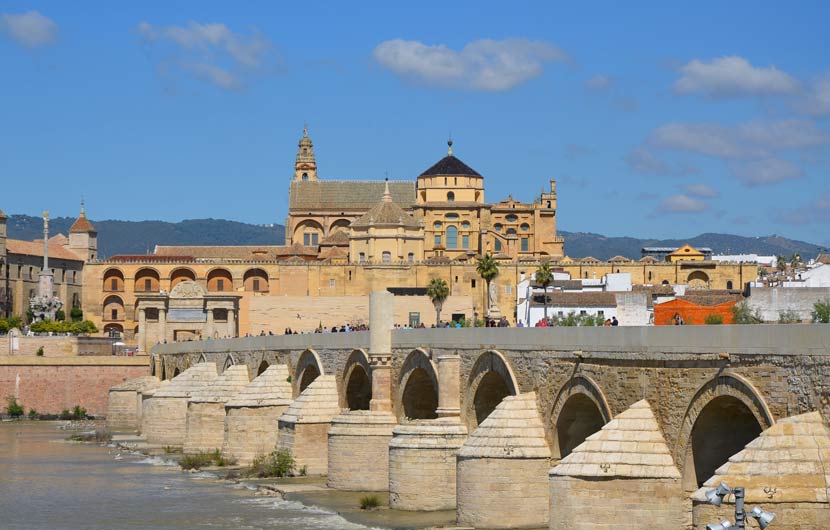
It sounds simple, but it’s something I constantly remind myself to do. Andalucia’s architecture is stunning, and some of the best details are above eye level. In Cordoba, I nearly walked into a lamppost because I was staring at the intricate balconies and Moorish arches above me.
In Seville, the tiled rooftops and wrought iron railings are works of art. Even in small towns, you’ll find beautiful cornices, colourful tiles, and hidden carvings tucked into the buildings.
So take a moment, tilt your head back, and admire the view. You’ll see a whole new layer of beauty that most people miss.