

Forget Rioja: Spain’s Hidden Wine Regions Are Unbelievable
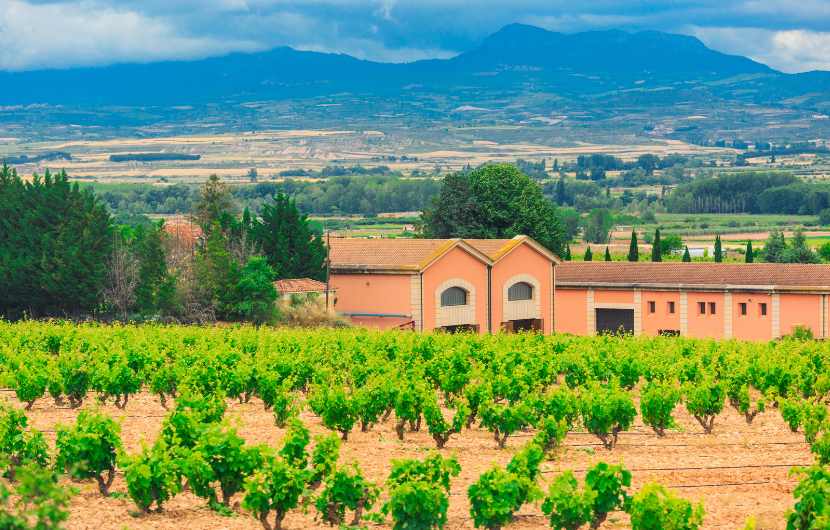
If you’re anything like me, when you think of Spanish wine, you automatically picture Rioja. It’s the headline act, the region everyone’s heard of. But after years of exploring Spain’s backroads with a very patient satnav and an even more patient stomach, I’ve found a few wine regions that completely blew my mind — and barely had another tourist in sight.
These aren’t your Instagram-famous vineyards with ticketed tastings; these are places where the winemaker is probably the one who hands you the glass.
Ribeira Sacra – Galicia’s Dramatic River Valley

Ribeira Sacra is one of those places you can’t quite believe exists until you’re there. I first stumbled upon it after a rainy weekend in Santiago de Compostela; a local barman whispered, “Go see the Sil Canyon, it’s our little secret.” A couple of hours later, I was standing on a cliffside mirador looking down at a river that looked like a giant green snake winding through steep terraced vineyards.
The wines here are mostly reds made from the Mencía grape – light, aromatic, almost floral but still earthy. My favourite stop was Adega Algueira, a small family-run winery where you can taste wine literally next to the barrels. It’s so informal – they poured me a glass while a grandmother chopped vegetables for lunch in the next room. If you have time, take the boat trip through the canyon; you’ll see the vineyards clinging to impossible slopes, which makes every sip taste even more heroic.
I stayed in Parador de Monforte de Lemos, a converted monastery up on a hill with creaky corridors and views of the valley. It’s not fancy-fancy, but it feels rooted and peaceful. And for food, go to Casa Reboiro in Monforte. Their pulpo a la gallega (Galician-style octopus) with paprika goes perfectly with a glass of local Mencía.
Priorat – Catalonia’s Bold & Earthy Star

Most people stop at Barcelona or maybe head to Sitges or the Costa Brava, but two hours inland there’s a rugged little wine region that feels like stepping back a few centuries. Priorat sits in a ring of craggy hills dotted with tiny stone villages. The roads are twisty, the mobile signal is patchy, and the wine is absolutely glorious.
The grapes here – Garnacha and Cariñena – make intense reds with a kind of dark, mineral punch. If Rioja is a smooth jazz concert, Priorat is a rock gig in a cave. My top pick is a tiny winery called Celler Devinssi in Gratallops. The winemaker, Jordi, walked me through the vines barefoot (I kid you not), explaining the soil like it was a living being. The tasting was held in a cool, dim cellar with just a couple of candles and three dogs lounging around. Zero pretension.
If you’re hungry (and you will be), head to Els Brots in Poboleda, a minuscule restaurant run by a couple who change the menu depending on what’s at the market. I had rabbit with rosemary and wild mushrooms – a dish I still dream about. Stay overnight at Hotel Hostal Sport in Falset. It’s old-school, family-run, and they’ll happily pour you a glass of whatever’s open at the bar.
Jumilla – Murcia’s Sun-Baked Secret

Down south, in the region of Murcia, Jumilla is one of those names you’ll see on a bottle in a UK supermarket but probably couldn’t point to on a map. It’s hot, dry, and full of rugged charm. The main grape here is Monastrell (also called Mourvèdre in France), and the wines are bold but surprisingly fresh.
I first visited Jumilla on a random road trip from Alicante to Granada. I stopped at Bodegas Juan Gil almost by accident because the building looked like a sci-fi set against the desert hills. Inside, though, it’s pure warmth: friendly staff, generous pours, and a chance to try vintages you’ll never see outside Spain. Their Monastrell is rich and spicy with a lovely blackberry note – perfect for a long lunch.
Speaking of lunch, you have to eat at Restaurante Loreto in Jumilla town. It’s in a beautifully restored old house with tiled floors and a shady courtyard. Their arroz con conejo (rice with rabbit) is a local staple and pairs ridiculously well with a bold Monastrell. And if you’re staying overnight, Casa de la Ermita is a charming rural hotel right next to vineyards, complete with a little pool to cool off in.
Why These Regions Stole My Heart

What I love about Ribeira Sacra, Priorat, and Jumilla is how personal they feel. In Rioja or Ribera del Duero, you’re part of a polished tourism machine – and that’s fine – but in these regions, you’re a guest, not a customer. The people are proud but relaxed. They’ll show you their cellar, tell you about their grandfather’s vines, and pour you a glass without looking at the clock.
And the landscapes! Ribeira Sacra is like a green amphitheatre carved by gods; Priorat’s hills feel ancient and secretive; Jumilla’s dry plains glow pink at sunset like a Martian landscape. These settings seep into the wine – you can taste the place.