

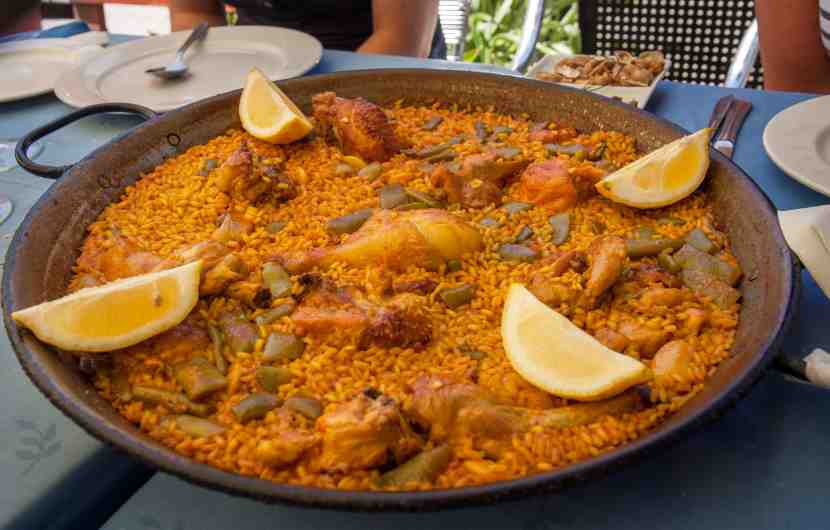
So, you think you know Spanish food? Bet you think paella is the king, the national dish, the one and only.
Well, grab a chair and a glass of Rioja because I'm about to drop a bombshell: Paella is NOT Spain's national dish!
I know, I know. Mind = blown. But stick with me, because the real answer is much tastier, much more…Spanish.
Paella is offered in many touristy eateries as the quintessential Spanish experience. And don't get me wrong, a good paella is fantastic (especially when you find a local spot in Valencia that knows what they're doing!), but it's just…not it.
The REAL National Dish: Tortilla Española
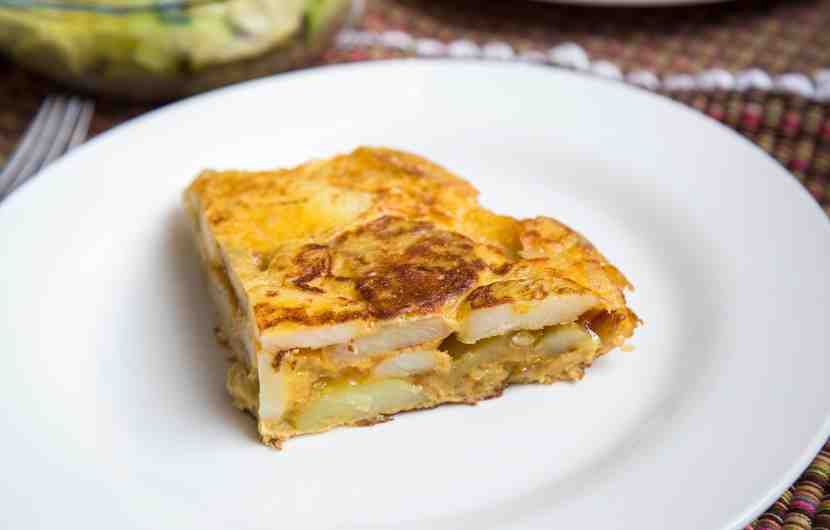
The true heart and soul of Spanish cuisine? Tortilla Española. Yes, that seemingly simple potato and egg omelette. Don't underestimate it! It's everywhere. In every bar, every cafe, every abuela's kitchen. Paella is regional; Tortilla is national.
Think of it as the ultimate comfort food. The perfect hangover cure. The go-to snack at any time of day. It’s humble, it’s delicious, and it’s undeniably Spanish.
I remember one particularly trip to Madrid after a night of tapas and questionable decisions, I stumbled into a tiny bar. The air was thick with the smell of coffee and sizzling potatoes. I ordered a pincho de tortilla (a slice of tortilla). One bite, and I swear, my soul was cleansed. That's the power of a good tortilla.
The beauty of Tortilla Española is its simplicity. It only requires a few ingredients: potatoes, eggs, onion (optional, but I’m a firm believer in it!), olive oil, and salt. But that's where the simplicity ends. The secret lies in the execution. The perfectly caramelized potatoes, the slightly runny center, the balance of flavours…it’s an art form.
And everyone has their own take on it. Some like it thick, some like it thin. Some like it with chorizo, some with peppers. But at its core, it's always the same: a celebration of simple ingredients cooked with love.
Forget the fancy restaurants. The best tortilla is almost always found in the most unassuming places. Look for the bars where the locals are hanging out, where the tortilla sits proudly on the counter, glistening under the warm light.
Jamon Iberico: A Close Second
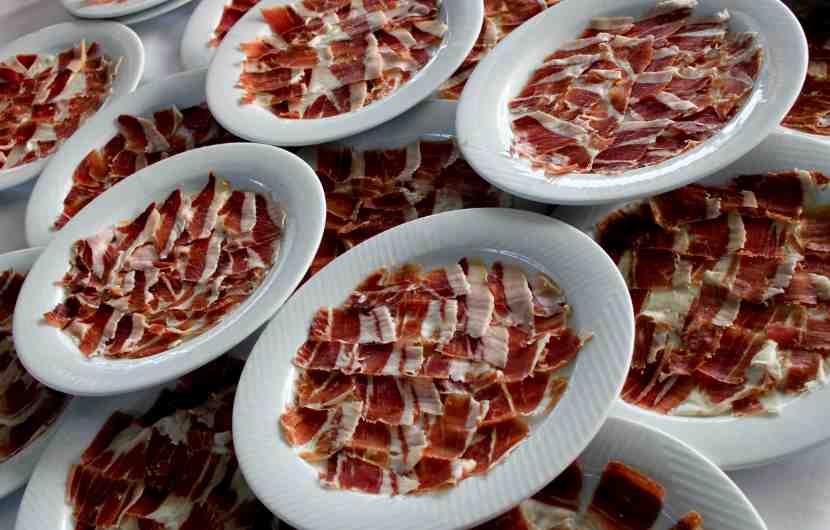
Okay, okay, I can hear the purists shouting. "What about Jamon Ibérico?!" And you know what? You have a point. If I were to create my own personal 'national dish' ranking, Jamon Iberico would be a VERY close second.
That melt-in-your-mouth, nutty, salty goodness...it's an experience. It's not just food; it's a cultural icon. From the acorn-fed pigs roaming the dehesas (pastures) to the meticulous curing process, every step is steeped in tradition.
I’ll never forget visiting a Jamon Iberico producer in Jabugo, a small town in Andalusia. I saw the pigs feasting on acorns, learned about the different grades of jamon (Bellota is the holy grail!), and, of course, sampled plenty. It was an education and a culinary epiphany all rolled into one.
While tortilla is democratic (everyone can afford it), Jamon Iberico is a bit more of a luxury. But if you're in Spain, you have to try it. Even a small taste is enough to understand why it’s so revered.
So, while paella may be famous, and Jamon Iberico might be luxurious, it's Tortilla Española that truly captures the essence of Spanish cuisine. It’s the everyday dish, the people's dish, the national dish.
Tapas Adventures: A Guide to Spain's Best Bars

Now, let’s ditch the preconceived notions and dive into the vibrant world of tapas! Forget generic tourist traps – I’m talking about authentic spots where locals gather, laughter fills the air, and the tapas are simply divine. Prepare to embark on a culinary journey across Spain!
Barcelona: Bar del Pla
Nestled in the heart of the Gothic Quarter, Bar del Pla offers a modern twist on traditional tapas. Their patatas bravas are legendary, and their seasonal dishes are always a delightful surprise. Don't miss their bomba, a potato croquette filled with meat and topped with spicy sauce.
Madrid: Casa Labra
A Madrid institution, Casa Labra is famous for its soldaditos de bacalao (cod fritters). These crispy, golden morsels are served piping hot and are the perfect accompaniment to a cold caña (small beer). Be prepared for a crowd – this place is always buzzing!
San Sebastian: Bar Nestor
San Sebastian is a tapas paradise, and Bar Nestor is a must-visit. Their only offering? A tortilla de patatas that's consistently hailed as the best in Spain. Arrive early, as they only make two tortillas per day, and they sell out fast!
Malaga: El Pimpi
Located in a historic building overlooking the Roman Theatre, El Pimpi is a Malaga institution. Their sweet wine is famous, and their tapas menu features local specialties like pescaito frito (fried fish) and ensalada malagueña (Malaga salad).
Valencia: Central Bar by Ricard Camarena
Located inside Valencia’s Central Marke youll find the Central Bar by Ricard Camarena, this gem offers a modern take on Valencian classics. The esgarraet (roasted red pepper salad with cod) is a must-try, and the fresh seafood is simply divine. A perfect spot to experience the vibrant energy of the market while enjoying top-notch tapas.
These are just a few suggestions, of course. The beauty of Spain is that there's always something new to discover, whether it's a hidden cove on the coast or a charming village in the mountains.
Spain on a Plate: It's More Than You Think!
So, next time you're planning a trip to Spain, remember to venture beyond the paella pan. Embrace the Tortilla Española, savour the Jamon Iberico, explore the hidden gems, and experience the real Spain. You won't regret it!
Spain is a country of regions, each with its own distinct flavours and specialties. I’ve spent the last few years gallivanting around España, fork in hand, and I'm so excited to share some of my absolute favourite regional dishes with you. Get ready for a delicious ride!
Madrid: Hearty & Historic Flavors

Let's kick things off in the capital! Madrid is a melting pot, but it also holds onto its traditional eats fiercely. Two words: Callos a la Madrileña. This stew of tripe, chorizo, and morcilla is the ultimate comfort food. It's rich, spicy, and sticks to your ribs in the best way possible. I had my first plate at a tiny taberna near Plaza Mayor, and trust me, it was love at first bite.
Another must-try in Madrid is the Bocadillo de Calamares – a squid sandwich. Yes, you read that right! Crispy fried squid rings piled high on a crusty roll. Sounds simple, but the quality of the squid and the bread are key. Head to the area around Plaza Mayor, and you'll find vendors galore. Grab one, find a sunny spot, and enjoy the Madrileño vibe.
Valencia: Paella Paradise and Beyond

Okay, you knew paella would make an appearance! But Valencia is the birthplace of paella, so you HAVE to try it here.
Forget the touristy versions; seek out a restaurant that specializes in Paella Valenciana, made with rabbit, chicken, and snails (yes, snails!).
The rice should be perfectly cooked, with a crispy socarrat (the caramelized crust at the bottom of the pan).
I had an incredible paella at the Restaurant Pasqualet in Albufera ( the birthplace of Paella ) and wow was that authentic, and the area overlooking the waterways is the perfect setting for this iconic dish.
Beyond paella, don't miss Horchata, a refreshing drink made from tigernuts. It's naturally sweet and slightly nutty – perfect for a hot Valencian afternoon. Pair it with fartons, sweet, elongated pastries that are made for dipping.
Andalucia: Tapas, Gazpacho, and Sherry
Ah, Andalucia! Land of sunshine, flamenco, and incredible food. Tapas are a way of life here, and each city has its own specialties. In Seville, Salmorejo is a must. This cold tomato soup is thicker and richer than gazpacho, and it's usually topped with hard-boiled egg and jamon. It's the perfect refreshing bite on a hot day.
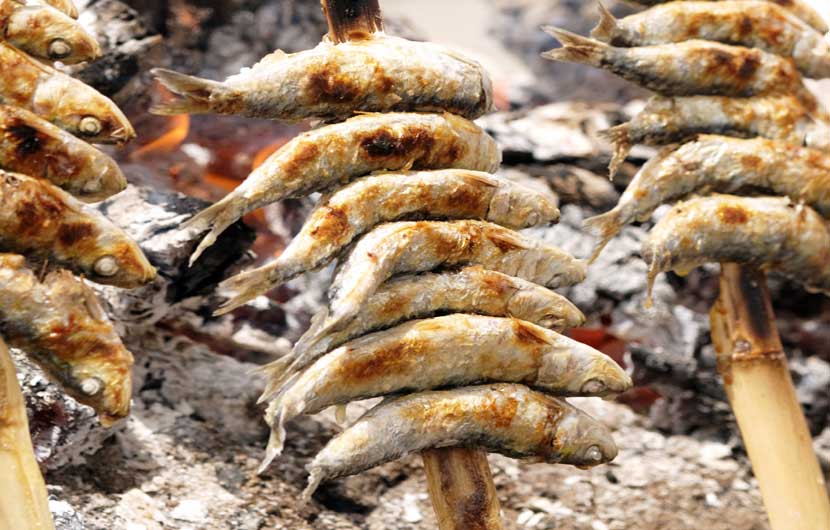
Head to Málaga, and you have to try Espetos de Sardinas – grilled sardines on skewers. Simple, fresh, and incredibly flavourful. Wash it down with a glass of chilled Sherry – Andalucía is the heart of Sherry production, and there's a style for everyone, from dry Fino to sweet Pedro Ximénez.
Basque Country: A Gastronomic Wonderland

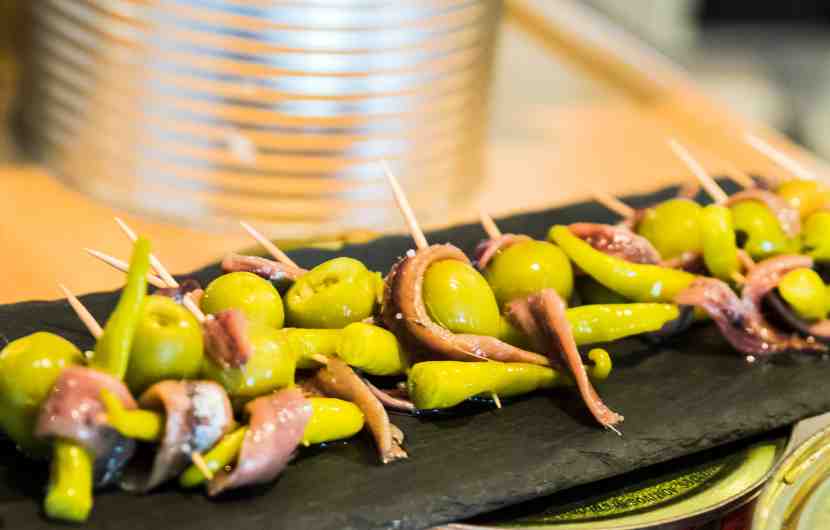
The Basque Country is a foodie's paradise. San Sebastian is famous for its pintxos (Basque tapas), which are miniature works of art. Wander through the Parte Vieja (Old Town), hopping from bar to bar, sampling different pintxos. Don't miss the Gilda (a skewer of olive, anchovy, and guindilla pepper) – it's a Basque classic. I also recommend Txangurro (spider crab) - a rich and decadent seafood dish.
Beyond pintxos, try Bacalao al Pil Pil – cod cooked in garlic-infused olive oil until it forms a creamy emulsion. It's a simple dish, but the quality of the ingredients and the technique are crucial.
Galicia: Seafood Sensations
Galicia, in northwestern Spain, is all about seafood. Pulpo a la Gallega (Galician-style octopus) is a must-try. The octopus is boiled until tender, then sprinkled with paprika and olive oil. It's simple, but incredibly flavourful. I had some amazing Pulpo in a tiny seaside village – the octopus was so fresh, it practically melted in my mouth.
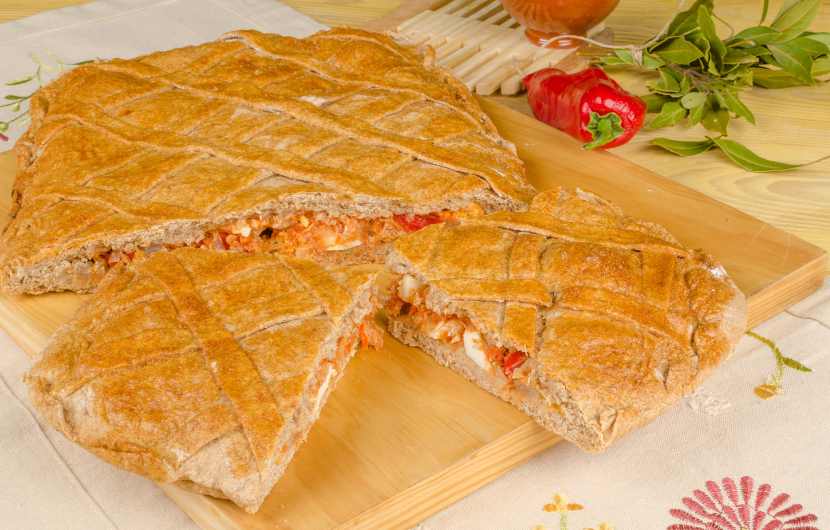
Another Galician specialty is Empanada Gallega – a savoury pie filled with tuna, mussels, or other seafood. It's the perfect picnic food.
Okay, so there you have it – a whirlwind tour of some of my favourite regional dishes in Spain.
Of course, this is just scratching the surface. There's so much more to discover, so get out there, explore, and eat your way through España! ¡Buen provecho!
Planning Your Perfect Summer Hiking Break
When planning a Spanish hiking tour for your summer break, it is essential to consider several factors.
Critical considerations include the hike's duration, difficulty level, the best time of year to visit, and the type of cultural experiences you wish to incorporate.
Investing in good-quality hiking gear, ensuring adequate travel insurance, and familiarising yourself with local customs and safety guidelines will all contribute to a successful adventure.
Remember, a hiking tour aims to reach the destination and savour every step of the journey.
If your looking for travel insurance to cover you for any eventualities during your trip, Global Link offer comprehensive cover for Backpackers.
Hiking Gear

Good quality hiking gear is essential for enjoying long trails in Spain, especially during summer.
The right equipment ensures comfort, safety, and endurance while tackling varying terrains and weather conditions.
Proper hiking boots with good ankle support and grip are crucial for navigating rocky paths and avoiding injuries.
Breathable, moisture-wicking clothing helps keep you cool and dry, while a wide-brimmed hat, sunglasses, and sunscreen protect against the intense Spanish sun.
A lightweight backpack is essential for carrying water, snacks, and other essentials such as a first-aid kit and a map or GPS device.
Hydration is key, so a refillable water bottle or hydration pack is highly advisable. Trekking poles can reduce strain on knees during steep ascents and descents.
Additionally, a compact rain jacket and a headlamp are wise additions, as weather can change quickly in mountainous regions.
Quality gear ensures a safer and comfortable hiking experience so its well the relatively small investment.
The Weather in Northern Spain in Summer
During the summer months, the weather conditions on hiking routes in Northern Spain can vary depending on the region and altitude.
Coastal areas like the Basque Country, Cantabria, and Galicia enjoy mild, pleasant temperatures ranging from 20 to 25°C (68 to 77°F).
Morning mist is common, but it usually clears by midday, leaving clear skies perfect for hiking.
Inland and mountainous areas, such as the Picos de Europa and Gorbeia Natural Park, experience warmer daytime temperatures, often reaching 28°C (82°F), while nights can be much more remarkable.
Afternoon thunderstorms are common, so it’s wise to start hikes early and pack a light rain jacket.
Humidity along the coast can make the air feel warmer, while higher elevations enjoy refreshing breezes.
Trails like the Ruta del Cares and Fragas do Eume remain lush and green, but sun protection is essential, as shade can be limited in exposed areas.
Final Thoughts
Spain´s hiking routes offer abundant opportunities for exploration, adventure and cultural enrichment.
Whether you are drawn to the majestic peaks of the Aragon and Catalonian Pyrenes or the ancient pathways of the Camino de Santiago, there is a route for you.