



Like any destination, Spain has its customs, traditions, and unspoken rules that visitors should know.
Failing to understand these nuances could cause embarrassment, offend locals, ruin your holiday, or even land you in trouble with the law.
While getting caught up in the excitement of exploring this beautiful country is easy, it’s equally important to avoid certain behaviours that could dampen your experience.
Whether it’s knowing when to avoid a siesta interruption or understanding why you shouldn’t assume everyone speaks English, being informed can make your trip smoother and more enjoyable.
With that in mind, we’ve compiled a list of 32 things to avoid while travelling in Spain.
From cultural faux pas to practical travel tips, this guide will help you quickly navigate the country, ensuring you leave with fond memories. So, before you pack your bags, read on to learn what not to do when visiting Spain!
1. Don’t Expect Shops to Stay Open All Day

Spain is known for its siesta culture, especially in smaller towns and rural areas. Most high street businesses are closed from 2 pm to 5 pm. It is different in the larger cities like Madrid or Barcelona, with fewer places closing.
In most areas, though, the larger supermarket chains such as Mercadona, Carrefour, Aldi and Liddle are open from 10 am to around 9.30 pm.
The small out-of-the-way villages and towns, though, will almost totally shut down, so plan if you are thinking of visiting the more hidden Spain.
2. Don’t Assume Everyone Speaks English
While English is commonly spoken in major tourist areas and cities, especially among younger generations and hospitality workers, it’s not universal across Spain.
In smaller towns and rural areas, English fluency can be rare, and it's always appreciated when tourists try to speak basic Spanish.
Try learning the most common Spanish phrases like "hola" (hello), "gracias" (thank you), or "por favor" (please) will go a long way. Not only will it help you communicate, but it also shows respect for the local culture.
3. Don’t Underestimate the Power of Tapas

Many travellers are excited about Spain’s famous tapas but may not know how to enjoy them properly. Tapas are small plates meant to be shared among friends and, as a rule, are thought of as a casual social meal. Instead of ordering several plates at once, it's customary to order one or two at a time and then continue as you go.
Tapas Crawls, visiting various bars in one evening, is a great way to engage with friends or locals and enjoy the slow, social pace of the evening.
4. Don’t Skip the Local Markets
Spain has bustling food markets, like La Boqueria in Barcelona or Mercado de San Miguel in Madrid. Here, you can find many local specialities, fresh produce, and unique ingredients.
Even if you’re not cooking for yourself, wandering through these markets offers insight into the local and regional food. Many markets now have a selection of delightful tapas and food bars mixed with the food stalls, you won't find fresher food anywhere.
5. Don’t Expect Flamenco Everywhere

Flamenco is often associated with Spain, but it’s primarily from Andalusia, a region in the south. While you’ll find flamenco performances in cities like Seville, Granada, and Cadiz, don’t expect to see it in the streets of Barcelona or Madrid.
You’ll encounter distinct local music, dance, and cultural traditions in Catalonia, Galicia, and the Basque Country.
6. Don’t Just Stick to the Coast
Spain is famed for its beautiful beaches, but there’s much more to see beyond the coastline. Inland Spain is rich in history, architecture, and natural beauty.
Cities like Toledo, Salamanca, and Segovia offer stunning medieval buildings, while the Picos de Europa and Pyrenees mountain ranges offer visitors incredible outdoor opportunities.
Focusing only on the coast could result in missing out on Spain's stunning landscapes, incredible historic sites, and picturesque towns and villages just waiting to be discovered.
7. Don’t Assume Paella Is Eaten Everywhere
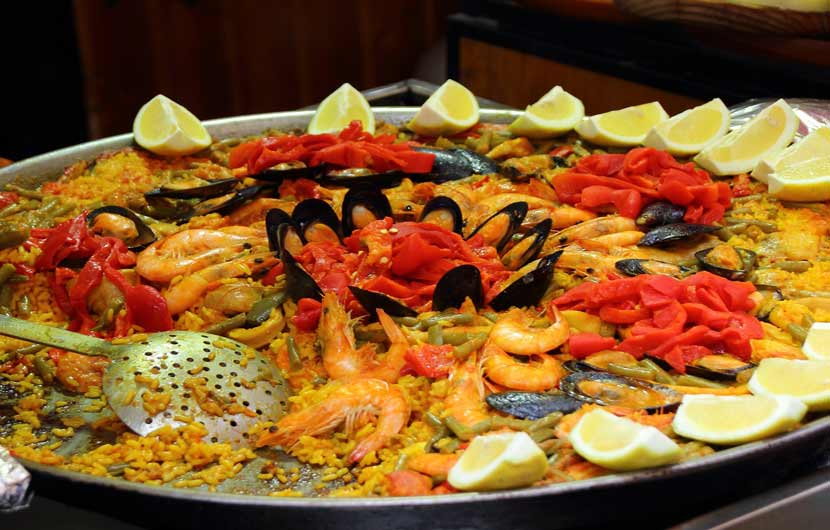
Paella, a dish from the Valencia region, is often considered Spain’s national dish, but it’s not something Spaniards eat everywhere or every day. In many parts of Spain, locals have their regional specialities, such as gazpacho in Andalusia or pulpo a la gallega (Galician-style octopus) in Galicia.
It’s important to remember that Spain’s culinary culture is regionally diverse. If you’re in the north, don’t be surprised if traditional pintxos replace paella. Always ask for local food recommendations to enjoy the full range of Spanish gastronomy.
8. Don’t Over-Tip
Unlike in some countries, tipping in Spain is not expected and, in most cases, unnecessary. While it is appreciated, especially for excellent service, you won’t offend anyone if you don’t tip, and there’s no fixed rule for how much to tip when you do.
Locals may leave some change or round up the bill at a restaurant, but leaving a large tip can be seen as unusual. For casual meals, €1 to €2 or rounding up the total is often enough, and for high-end restaurants, a 5% to 10% tip is considered generous.
9. Don’t Forget to Say “Hola” When Entering Shops
Spain has a friendly, personable culture, and greeting people when entering small shops, tapas, bars, and cafeterias is customary. Failing to say “hola” or “buenos días” can be seen as impolite. Similarly, it’s good manners to say “gracias” (thank you) when leaving.
Even in larger cities, this habit is part of everyday interactions, particularly in less formal establishments.
A little greeting or goodbye can go a long way toward making a good impression on locals and showing respect and awareness of social customs.
10. Don’t Wear Flip-Flops Everywhere
While flip-flops are fine for the beach, they’re generally unacceptable in public places like restaurants or churches in Spain.
Spaniards tend to dress more formally, even for casual outings, and wearing flip-flops or beachwear when visiting cities or historic sites can come off as disrespectful. In addition, many streets, especially in older towns, are cobblestoned, and flip-flops are impractical for walking on uneven surfaces.
Wear smart-casual footwear, especially in cities if you want to blend in and feel comfortable.
11. Don’t Litter and Never Throw Cigarette Butts Out of Car Windows
In fact, just don’t throw anything out of your car window whilst driving or parked, for that matter. According to Spain´s Environmental Agency, 80 per cent of wildfires are intentional or caused by negligence, and three per cent are caused by cigarette butts discarded from vehicles.
On top of that, it is an offence to litter with on-the-spot fines ranging from 198 to 3.800 Euros. Throwing anything out of a moving vehicle can land you in deep trouble with fines ranging from 3.800 to 9.800 if the road is affected, and if your cigarette butt causes a wildfire, you could be facing a prison sentence between three and six years.
12. Do Not Expect English Menus Everywhere
While many restaurants in tourist-heavy areas offer English menus, smaller towns and local establishments most likely will not.
If you're stuck on ordering food, use your favourite translator app or check out our Spanish-English Food Glossary Guide along with a dedicated page to the Gastronomy of Spain, where you will find lots of helpful information and Spanish phrases on everything culinary in Spain.
13. Don’t Wear a Bikini in the City
While Spain is known for its beautiful beaches, strolling through these towns' streets in a bikini or swimwear is considered disrespectful.
Many coastal cities have local laws that prohibit wearing swimsuits away from the beach. For example, if you’ve just enjoyed a swim at La Concha beach in San Sebastian, cover up before heading into the city center.
Failing to do so may result in a fine or at least disapproving looks from locals.
14. Don’t Expect Every Restaurant to Offer Tapas
While tapas are famous worldwide, not every restaurant in Spain specializes in them. You'll find many tapas bars in cities like Barcelona, Madrid, and Seville. Still, you’re more likely to encounter regional specialities served as full plates in smaller towns or regions like Galicia or the Basque Country.
Understanding that tapas is just one part of Spain’s culinary tradition will help you better appreciate the country's diversity of dishes. If you’re unsure, ask for the Carta (menu) and see what’s recommended.
15. Don’t Take Shells from Beaches in Protected Areas

Spain's coastline is rich with natural beauty, and some areas, like the beaches of Menorca or the natural parks along Costa Brava, are protected.
Collecting shells, rocks, or even sand from these areas is not only harmful to the environment but also illegal. Many tourists are unaware of this rule, leading to hefty fines. Enjoy the beauty when visiting the pristine beaches in protected areas, but leave nature as you found it.

15. Don’t Take Shells from Beaches in Protected Areas
Spain's coastline is rich with natural beauty, and some areas, like the beaches of Menorca or the natural parks along Costa Brava, are protected.
Collecting shells, rocks, or even sand from these areas is not only harmful to the environment but also illegal. Many tourists are unaware of this rule, leading to hefty fines.
Enjoy the beauty when visiting the pristine beaches in protected areas, but leave nature as you found it.
16. Don’t Remove the Clams and Seafood from Galicias Beaches

Removing clams, mussels, and other seafood from the beaches is strictly prohibited in Galicia. The region's rich marine life is protected by law to preserve its ecological balance and maintain sustainable seafood populations.
Unauthorised collection, often referred to as poaching, can result in significant fines. Local authorities and cooperative members patrol the beaches to enforce these regulations, ensuring the region's valuable shellfish industry remains intact to be harvested sustainably.
In most cases, you are allowed to eat what you find on the spot, but definitely not filling up your beach bucket to take home and eat later.
17. Do Not Underestimate the Summer Heat
Summer temperatures in July and August in Spain can be brutal, exceeding 40°C. Southern regions such as Seville, Cordoba, Malaga, Cadiz and Almeria can be especially hot, so if you plan to visit, be prepared.
Avoid sightseeing during the peak heat hours, and always stay hydrated. Don’t assume historical sites like the Alcazar will be cooler inside – they often aren’t.
18. Don’t Visit the Alhambra Without Booking Ahead

The Alhambra in Granada is one of Spain’s most popular attractions. Tickets often sell out weeks in advance, so don’t make the mistake of showing up without prior reservations.
Booking tickets in advance for the Alhambra in Granada is essential due to its immense popularity and limited daily visitor capacity. As one of Spain's most visited landmarks, same-day tickets often sell out quickly, especially during peak seasons. Booking entry tickets in advance is the best way to save you plenty of queuing time. you can choose your preferred time slot to explore this stunning palace complex without the stress of last-minute availability issues.
Additionally, advanced booking allows you to plan your visit more efficiently, giving you time to enjoy Alhambra's breathtaking architecture and gardens at your own pace.
19. Don’t Be Loud on Public Transport
Cities like Madrid and Barcelona have excellent public transportation systems, but being excessively loud or disruptive is frowned upon. Spaniards value peace in communal spaces, so avoid making a scene.
20. Avoid Drinking Alcohol in Public
Drinking alcohol in public drinking (known as "botellón") is illegal. While it might be common in smaller towns, doing so in Madrid or Barcelona can result in a fine. Opt for a bar terrace, club or discotheque instead.
21. Don’t Visit the Sagrada Familia Without Booking In Advance

The Sagrada Familia in Barcelona is Spain’s most visited site, attracting millions yearly visitors. The iconic basilica often experiences long lines, and same-day tickets can sell out quickly, especially during peak tourist seasons.
You can avoid lengthy waits and ensure entry at your preferred time by reserving tickets ahead of time. Additionally, advanced booking often offers the chance to secure guided tours or access to special areas.
22. Be Respectful When Visiting Religious Sites
Spain has a strong Catholic influence and is full of excellent religious sites to visit. Please be respectful and dress conservatively; avoid shorts or mini skirts and other inappropriate clothing when entering sacred spaces.
23. Don’t Leave Your Belongings Unattended
Especially in the big cities like Barcelona, Madrid, Valencia, Seville, and Malaga. Although crime is still relatively low in Spain, several gangs are operating as pickpockets, especially in busy tourist areas. Always keep an eye on your belongings, and avoid leaving them unattended.
24. Don’t Drive Through Rural Areas Without Checking your Petrol levels.
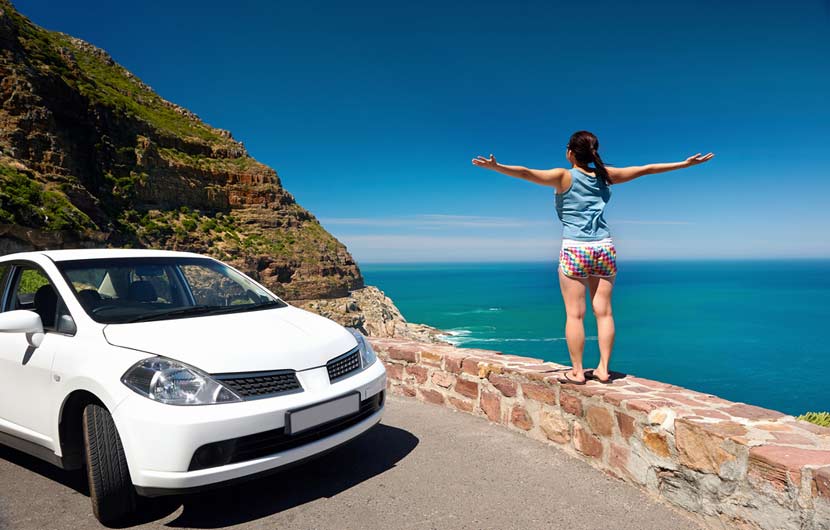
In less populated regions like La Mancha or Extremadura, petrol stations can be few and far between; plan your road trips carefully and always check your fuel levels before heading into more remote areas.
25. Don't Assume You Can Always Pay For Things on Credit Card
Many places, particularly rural areas, may prefer cash or have minimum purchase requirements for card payments. Some may not accept credit cards due to fees or technical limitations. To avoid inconvenience, always carry a few Euros in cash with you.
26. Don’t Try To See Too Much

In one trip, trying to visit too much in Spain can lead to exhaustion and a rushed experience. Spain is a large, diverse country, and it would be impossible to see everything in one go, so make sure you plan well ahead for the best experiences.
By overpacking your holiday itinerary, you might miss the chance to fully appreciate each destination. It's better to focus on a few key areas, allowing time to explore and enjoy the local experiences more deeply.
27. Don’t Drink and Drive
It may seem like common sense, but many still drink and drive. Spain enforces laws that make driving under the influence illegal.
Drunk driving isn’t just illegal, though - it’s extremely dangerous. If you’re caught and breathalysed, legal consequences will follow. To avoid accidents or legal trouble, the message is simple: don’t drive after drinking. Instead, opt for a bus, taxi, uber or other transportation options.
Stay safe and responsible.
28. Don´t Skip Queue Lines
In Spain, as is in most civilised countries, skipping the line can lead to unwanted confrontations with locals and visitors alike. While no one enjoys waiting, it’s often unavoidable, especially at popular tourist spots.
Be patient and wait your turn whenever a queue forms to avoid conflict. Although queues at shops, bus stops, and restaurants are inevitable, purchasing tickets in advance can save time at attractions.
Platforms like Get Your Guide allow you to book ahead and skip the lines when you arrive.
29. Head for the Bar Rather Than a Table

Spain is a laid-back place to eat, especially when enjoying a drink or tapas. When you enter a traditional tapa bar, you don’t feel like you have to sit at a table.
My advice is to find a nice spot at the bar; it’s the perfect place to socialise, make small talk with the staff, make new friends and visually check out the delicious tapas on offer before ordering.
30. Don’t Drink The Churros Chocolate

When you order some delicious freshly made churros, they will inevitably be served with a glass of thick chocolate. This unctuous chocolate delight is for dipping (like the locals do ) in your hot, crispy churros rather than for drinking.
31. Don’t Base Your Holiday in the Wrong Place
Although this seems to be quite obvious, time and time again, I meet visitors who say, “We didn’t realise it was so busy here. We preferred somewhere quieter “ or “ We booked a hotel in Seville, not realising it was so far from a beach,”.
When planning your trip to Spain, you must first consider precisely what you want from your holiday. For example, if you're looking for quiet, secluded coves, head to the Balearic Islands.
If you're looking for a more urban holiday with beaches nearby, head to cities such as Malaga, Valencia or San Sebastian. If you want an active outdoor holiday surrounded by mountains and hiking paths, head to Huesca and the Catalonian Pyrenees in northern Spain.
32. Don’t Carry Important Documents When out Sightseeing

My advice is to keep copies of your travel documents, passport, travel insurance, accommodation bookings, tours, etc. in an online folder that you have quick and easy access to; that way, if you do lose the original, you will at least have a backup on hand, especially your passport.
My go-to online backup spaces are Microsoft's OneDrive and Dropbox.
Foreign nationals in Spain (Organic Law 4/2000) must carry a passport ( or other valid national ID) with them at all times, as you must be able to identify yourself if a police officer asks. If you can’t provide a valid physical ID at that moment, officers are legally allowed to take you to the nearest station to confirm your identity. So with that in mind, ensure you carry your passport with you at all times.

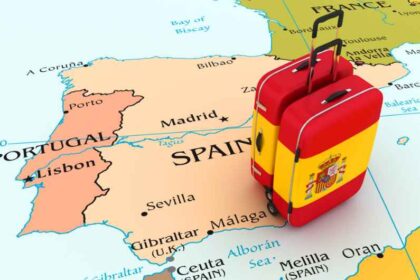






Number 32 is completely wrong. Do not leave your passport in the hotel, it’s illegal to not carry your ID in Spain, especially for tourists.
Hi Emily, Big thanks for pointing that out, the information wasnt clear on my post so I have updated Point 32 so there are no grey areas. Saludos.