


The Spanish Canary Islands archipelago sits to the West of the North Coast of Africa and consists of Eight islands of Volcanic Origin.
What first drew me in was the climate and their proximity to the equator the islands enjoy year-round sunshine and warm temperatures and compared to Northern Europe hardly any rainfall at all.
Being from the U.K. the temptation to take a relatively short haul flight (around 4 hours) to escape the dark, cold winter and arrive in warm, spring-like conditions was all too much.
What I wasn’t particularly prepared for was that the islands, whilst all of the same origins, would all provide a very different experience of the Canaries.
Lanzarote

Firstly, Lanzarote, the most easterly island of the archipelago and close to Africa, on the face of it provides your typical holiday resorts. Stretches of bars, large golden beaches, a vibrant nightlife (although relatively relaxed compared to other Spanish islands like Ibiza) and great culinary experiences.
What I wasn't prepared for was the fascinating, yet humbling, natural landmarks and attractions that the island had to offer.
Without a doubt, the standout thing to do here is to visit the Timanfaya National Park. This entire area, now protected by the authorities, was devastated by volcanic activity back in the 1700’s over a period of six years where over 2,000,000,000m3 of lava spewed out of over 100 volcanoes.
Today, most of the volcanoes are extinct, but it’s very evident that the area is still very active around Fire Mountain when you witness the geyser and fire demonstrations inside the park itself.
The Timanfaya National Park isn’t alone. Whilst I would consider it the Jewel in the Crown of what Lanzarote has to offer, the island has clearly been shaped by the late Cesar Manrique. A local artist, architect and visionary.
When visiting Lanzarote, it’s clear to see the influence this man had on the island, even to this day. Standout Manrique-inspired attractions and top things to do in Lanzarote has to be the Mirador del Rio, a lookout built into the Riscos de Famara cliffs with spectacular views over the 8th, and newest Canary Island, Another interesting place to visit is La Graciosa, The Green Caves which is part of a 7km volcanic Tunnel and Jameos del Agua, a subterranean saltwater lake and home to the blind albino crabs which are native to Lanzarote.
Fuerteventura

Just across from the water, and visible from the South Coast of Lanzarote, is Fuerteventura.
This is the largest island in the archipelago and home to some of the most stunning, postcard-perfect, golden sand beaches I have ever witnessed in person.
The sand dunes of Corralejo, in the North, are by far the biggest attraction that Fuerteventura has to offer, closely followed by the stunning beaches of Jandia which stunned me with some of the clearest, turquoise waters I have seen in any ocean.
Fuerteventura is evidently very different to its Northern Neighbour, Lanzarote, and I discovered some beautiful traditional Canarian villages on my travels. Despite this, I found Fuerteventura had quite a young energy about it.
Food lovers here are spoilt for choice when it comes to dining out, and water sports, from paddle boarding and Kayaking, are extremely popular.
The southern tip of Jandia is declared a national park. There are no real roads, however, you can drive, via track, to the lighthouse right at the end of the island.
If you make a right turn someway down these paths you’ll find yourself ascending up into the mountains, and what lies beyond is pretty unexpected.
As the track reaches its highest point you’ll see the stunning Cofete beach, with its mountain range backdrop. This is a sight that not many tourists in Fuerteventura will see, but it’s worth the effort.
As an aside, I was shocked to see so many wild donkeys just walking around the southern parts of Fuerteventura, even in built-up parts like Morro Jable.
Gran Canaria
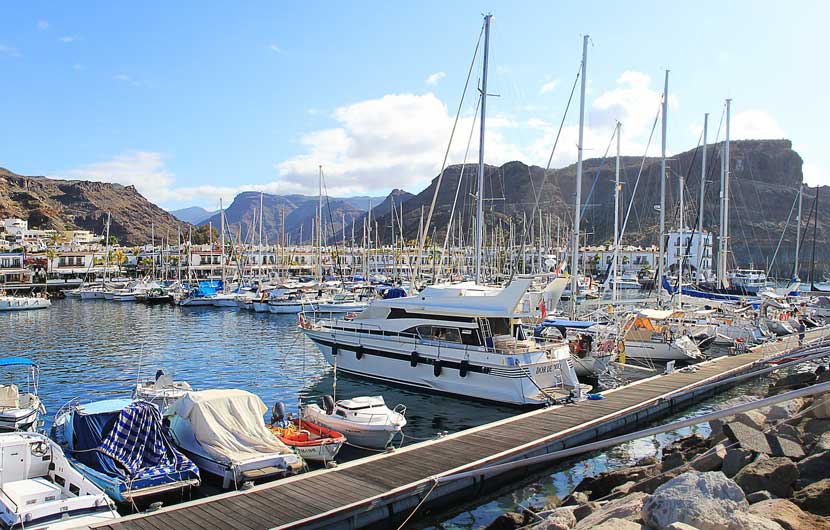
As I was travelling from East to West, the next stage of my Canary Island adventure was a ferry journey over to Gran Canaria. As the boat docked in Las Palmas, the capital city, I instantly felt a different vibe to the island.
My first impressions were that this was very different from the previous two islands but I had stepped foot into an actual city, something you won't find in Lanzarote or Fuerteventura.
As with the other islands, the tourist areas tend to be based in the South. In my opinion, the sand dunes of Maspalomas should be on everyone's list of places to visit but the top of that list should be Roque Nublo.
It was a bit of a trek to get there, and you have to not only navigate the winding mountain roads but also take a 1.5km trek through woodland and mountain paths but the reward is some of the most breathtaking views I have seen in my life.
Unfortunately for me, visibility wasn't amazing but on a really clear day, you can actually see Mount Tiede in Tenerife from here.
Beyond the main tourist resorts of Maspalomas and Playa del Ingles, I came across many smaller resorts built into the mountainsides along the coast, with regular coves containing small sandy beaches.
At the end of the road, the small town of Puerto de Mogan provided a colourful, decorative stop-off for a bite to eat and enjoy the views out over the very blue ocean water.
Tenerife

Tenerife is quite possibly the most vibrant of the Canary Islands and offers holiday-makers a more typical holiday experience. But if that’s not your scene then don’t let it put you off the idea of visiting Tenerife.
With the likes of Mount Teide and regular Whale and Dolphin sightings, plus a more traditional approach to Canarian life in the northern regions, families and visitors are in for a great holiday when it comes to places to see and things to do on this magical Island.
As spectacular as a tour up Mount Teide was (for anyone wondering, yes, this IS an active volcano), you can go one better by doing it at night and experiencing star gazing under one of the most amazing, night skies I have ever experienced.
Mount Teide is the highest point on Spanish territory and, at certain times of the year, capped in snow. Quite a spectacular scene for an area of the globe that is baked in sunshine all year round.
As the peak of the volcano is often above cloud level, the visibility of the night sky, along with the lack of light pollution, means that the night sky is as clear and as exciting as you will ever see it.
La Palma, La Gomera & El Hierro

The islands to the West of Tenerife are much smaller and less focused on mass tourism - although they do form a part of many excursions that come over from Tenerife.
It could be said that because of this, they are what they are and that’s absolutely stunning examples of nature.
La Palma, La Gomera and El Hierro are all largely unspoiled, steeped in tradition and history and provide some of the most beautiful woodland walks, coastal paths and volcanic landscapes I have ever seen.
The locals are warm and welcoming, even with my basic grasp of the Spanish language and genuinely want you to enjoy your time on the islands.
Unlike the more commercialised destinations, whilst there are plenty of things to do on this captivating trio of islands, you find yourself exploring and discovering things more naturally, rather than being sold to by an excursions company.
A typical family would probably only spend time on one island when visiting the Canary Islands, and maybe try a different island the next time, but if you ever get the opportunity to island hop and experience what each island has to offer then I would highly recommend it.