


Barcelona FAQs
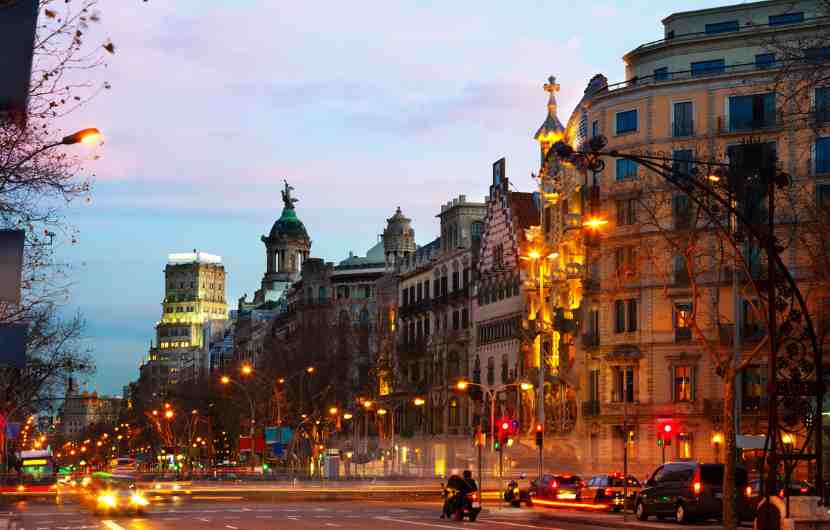
1. When is the best time to visit Barcelona?
Locals and frequent travellers recommend April–June and September–October for ideal weather and manageable crowds.
2. How many days should I spend in Barcelona?
Most travellers say 3–5 days is the sweet spot.
3. Is Barcelona safe?
Yes, but pickpocketing is common. Keep bags zipped and phones off tables.
4. Do I need to book attractions in advance?
Yes. Sagrada Família, Park Güell, and Casa Batlló regularly sell out.
5. What neighbourhood should I stay in?
Top picks: Eixample, El Born, Gràcia, Poblenou, and Sant Antoni.
6. What’s the best way to get around?
The metro is fast and reliable. Many locals use the T‑Casual or Hola Barcelona card.
7. Is tap water safe to drink?
Yes. Locals drink it daily, though the taste varies by neighbourhood.
8. What foods should I try?
Try pa amb tomàquet, bombas, calçots (in winter), and crema catalana.
9. What foods should I avoid?
Locals warn against:
- Paella on La Rambla
- Restaurants with photos on the menu
- Sangria in tourist traps (Catalans drink vermut, not sangria)
10. What time do locals eat?
Lunch: 1:30–3:30 PM Dinner: 8:30–10:30 PM
11. How do I get from the airport to the city?
The Aerobús is the most recommended option.
12. Are Sundays different?
Yes — shops close, but restaurants and attractions stay open.
13. Do people speak English?
Yes, especially in tourist areas. Catalan is widely spoken.
14. What’s the best beach?
Locals prefer Ocata Beach (20 minutes by train) over Barceloneta.
15. What’s a good local souvenir?
Skip flamenco dolls. Choose:
- Catalan ceramics
- Local vermouth
- Turrón
- Espardenyes (traditional shoes)
16. What’s the best viewpoint in Barcelona?
Locals love Bunkers del Carmel, especially at sunset.
17. What’s the best market besides La Boqueria?
Mercat de Sant Antoni and Mercat de la Concepció are less touristy.
18. What’s a local secret about Park Güell?
The free access hours, early morning or late evening, apply to the non‑monumental zone — great for views without crowds.
19. What’s a local tip for Sagrada Família?
Choose the Nativity Tower for better views and morning light.
20. What’s the best way to avoid crowds?
- Visit major attractions before 10 AM
- Explore Poblenou, Horta, and Sants
- Eat lunch at menú del día spots away from tourist zones
21. What’s a local nightlife tip?
Bars don’t get busy until 10 PM, and clubs fill up around 1–2 AM.
22. What’s a local tip for eating well on a budget?
Look for menú del día — a 2–3 course lunch for €12–€18, often excellent quality.
23. What’s something tourists often misunderstand?
Flamenco is not Catalan. For authentic Catalan culture, look for sardanes, castellers, and vermut hour.
24. What’s a hidden gem most tourists miss?
- Hospital de Sant Pau (UNESCO site, stunning architecture)
- El Born Cultural Centre (free ruins)
- Montjuïc’s gardens (locals picnic here)
25. What’s a local etiquette tip?
Say “Bon dia” (Catalan) instead of “Hola” when entering shops — locals appreciate the effort.
Madrid FAQs

1. When is the best time to visit Madrid? Spring (April–June) and autumn (September–October) offer warm days, cooler evenings, and fewer crowds than summer.
2. How many days do I need in Madrid? Most travellers recommend 3–4 days for the city itself, plus extra if you want day trips to Toledo, Segovia, or Ávila.
3. Is Madrid safe? Yes. Madrid is considered one of Europe’s safer capitals. Pickpocketing happens in busy areas like Puerta del Sol and Gran Vía, but far less than in Barcelona.
4. What neighbourhood is best to stay in? Popular areas include Malasaña (hip and youthful), Salamanca (upscale and elegant), La Latina (tapas and historic charm), Chueca (vibrant and LGBTQ+ friendly), and Retiro (calm and close to the park).
5. Do I need to book attractions in advance? Yes for the Prado Museum, Reina Sofía, and the Royal Palace, especially on weekends.
6. What’s the best way to get around? The metro is fast and extensive. Walking is easy too because Madrid’s centre is compact.
7. Is tap water safe to drink? Yes. Madrid’s tap water is famously clean and tastes great.
8. What foods should I try? Local favourites include bocadillo de calamares, cocido madrileño, tortilla española, and churros con chocolate at San Ginés.
9. What foods should I avoid? Avoid paella in tourist zones. Madrid isn’t coastal, so quality varies.
10. What time do locals eat? Lunch is usually 2–4 PM and dinner 9–11 PM. Late dining is normal.
11. How do I get from the airport to the city? The Cercanías train from Terminal 4 is the fastest. The metro and express bus are also reliable.
12. Are Sundays different? Shops close, but El Rastro, the famous flea market, runs every Sunday morning in La Latina.
13. Do people speak English? Yes in tourist areas, but less than in Barcelona. Basic Spanish helps.
14. What’s the best park in Madrid? El Retiro Park is the city’s green heart and perfect for rowing, picnics, and strolling.
15. What’s a local secret viewpoint? The rooftop of Círculo de Bellas Artes offers one of the best skyline views.
16. What’s a hidden gem most tourists miss? Templo de Debod at sunset, the Sorolla Museum, and Matadero Madrid are all local favourites.
17. What’s the best market besides San Miguel? Locals prefer Mercado de San Ildefonso or Mercado de la Paz for authentic food.
18. What’s a local nightlife tip? Madrileños go out late. Bars fill at 10 PM and clubs at 1–2 AM.
19. What’s a local etiquette tip? When ordering drinks, don’t rush the staff. Madrid service is relaxed but friendly.
20. What’s the best day trip from Madrid? Toledo for medieval streets, Segovia for its Roman aqueduct, and El Escorial for history.
21. What’s something tourists often misunderstand? Madrid isn’t just museums. Locals spend hours in plazas, cafés, and parks. The city is about atmosphere as much as attractions.
22. What’s a local tip for saving money? Many museums have free entry evenings, including the Prado and Reina Sofía.
23. What’s a local tip for eating well?
Seville FAQs

1. When is the best time to visit Seville? Spring (March–May) is the most beautiful, especially during Semana Santa and Feria de Abril. Autumn (September–November) is also warm and pleasant. Summer can be extremely hot.
2. How many days do I need in Seville? Most travellers recommend 2–4 days to enjoy the main sights, food, and neighbourhoods at a relaxed pace.
3. Is Seville safe? Yes. Seville is considered very safe, with low crime rates. Pickpocketing can happen in crowded festival periods, but it’s not a major issue day‑to‑day.
4. What neighbourhood is best to stay in? Popular areas include Santa Cruz (historic and charming), Triana (local, lively, and great for tapas), El Arenal (central and elegant), and La Alameda (trendy and youthful).
5. Do I need to book attractions in advance? Yes for the Alcázar, especially in spring. The Cathedral and Giralda also benefit from advance booking to avoid queues.
6. What’s the best way to get around? Seville is very walkable. Buses and trams help for longer distances, and cycling is popular thanks to flat streets and bike lanes.
7. Is tap water safe to drink? Yes. Locals drink it daily, though some prefer filtered water for taste.
8. What foods should I try? Must‑tries include salmorejo, espinacas con garbanzos, pescaíto frito, solomillo al whisky, and churros for breakfast.
9. What foods should I avoid? Avoid paella in touristy areas — Seville isn’t known for it. Stick to Andalusian dishes for the best experience.
10. What time do locals eat? Lunch is usually 2–4 PM and dinner 9–11 PM. Tapas bars stay lively late into the night.
11. How do I get from the airport to the city? The airport bus (EA line) is the easiest option. Taxis are quick and reasonably priced.
12. Are Sundays different? Yes — most shops close, but restaurants, cafés, and major attractions stay open.
13. Do people speak English? English is spoken in tourist areas, but less than in Madrid or Barcelona. Basic Spanish is appreciated.
14. What’s the best park in Seville? Parque de María Luisa is the city’s green jewel, home to Plaza de España and beautiful shaded paths.
15. What’s a local secret viewpoint? The Metropol Parasol (Las Setas) offers stunning views, especially at sunset.
16. What’s a hidden gem most tourists miss? The Palacio de las Dueñas, Casa de Pilatos, and the riverside paths in Triana are beloved by locals.
17. What’s the best market for food? Mercado de Triana is a favourite for fresh produce, tapas, and local atmosphere.
18. What’s a local nightlife tip? Sevillanos love outdoor terraces. Nights start late, and bars in Alameda and Triana stay busy well past midnight.
19. What’s a local etiquette tip? When ordering tapas, it’s normal to stand at the bar. Locals often order one or two dishes at a time rather than everything at once.
20. What’s the best day trip from Seville? Córdoba for the Mezquita, Jerez for sherry bodegas, and Cádiz for beaches and seafood.
21. What’s something tourists often misunderstand? Flamenco isn’t a tourist show — it’s a deep Andalusian art form. The best performances are in small peñas, not big theatres.
22. What’s a local tip for saving money? Many tapas bars offer small portions at great prices. Ordering “media ración” or “tapa” instead of a full plate is both cheaper and more fun.
23. What’s a local tip for avoiding crowds?
Granada FAQs
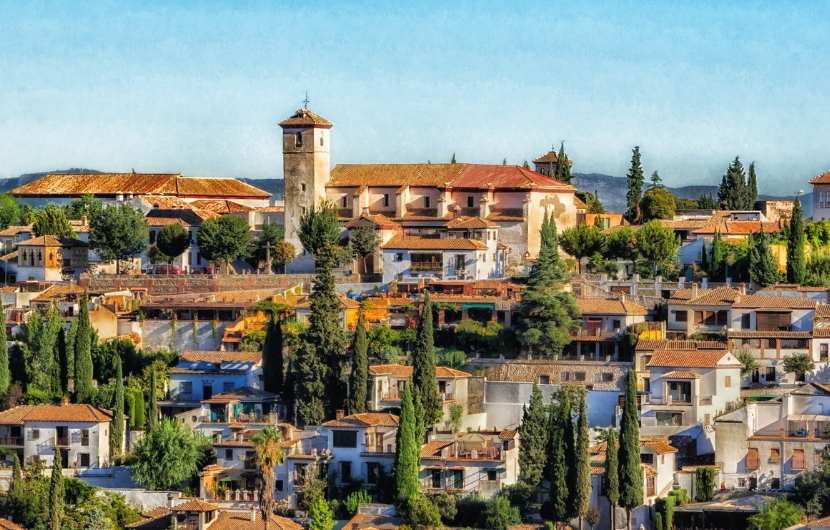
1. When is the best time to visit Granada? Spring and autumn offer ideal temperatures. Summer is hot, winter can be chilly.
2. How many days do I need in Granada? 2–3 days is perfect for the Alhambra, Albaicín, Sacromonte, and tapas culture.
3. Is Granada safe? Yes. It’s a calm, student-friendly city with low crime.
4. What neighbourhood is best to stay in? Albaicín (historic and atmospheric), Realejo (central and charming), and the city centre (convenient and walkable).
5. Do I need to book attractions in advance? Yes — the Alhambra often sells out weeks ahead.
6. What’s the best way to get around? Walking is best. The old neighbourhoods are steep but beautiful.
7. Is tap water safe to drink? Yes. Granada’s water comes from the Sierra Nevada and tastes excellent.
8. What foods should I try? Piononos, tortilla del Sacromonte, remojón granadino, and free tapas with drinks.
9. What foods should I avoid? Avoid overpriced tapas bars near the Alhambra entrance.
10. What time do locals eat? Lunch 2–4 PM, dinner 9–11 PM.
11. How do I get from the airport to the city? The airport bus is the simplest option.
12. Are Sundays different? Shops close, but the old town stays lively.
13. Do people speak English? Yes in tourist areas, but less in local neighbourhoods.
14. What’s the best viewpoint? Mirador de San Nicolás for the classic Alhambra view.
15. What’s a local secret viewpoint? Carmen de los Mártires — peaceful gardens with stunning city views.
16. What’s a hidden gem most tourists miss? The Arab baths (hammams) and the quiet backstreets of Realejo.
17. What’s the best market? Mercado de San Agustín for local produce and snacks.
18. What’s a nightlife tip? Granada’s student population keeps bars lively every night of the week.
19. What’s a local etiquette tip? Tapas come free with drinks — don’t order them separately unless you want raciones.
20. What’s the best day trip? The Sierra Nevada mountains or the white villages of Las Alpujarras.
Malaga FAQs

1. When is the best time to visit Malaga? Spring and autumn offer warm weather without peak-season crowds. Winter is mild and sunny.
2. How many days do I need in Málaga? 2–4 days is ideal for beaches, museums, and the historic centre.
3. Is Málaga safe? Yes. It’s one of Spain’s safest coastal cities.
4. What neighbourhood is best to stay in? The historic centre (walkable and lively), La Malagueta (near the beach), and Soho (artistic and modern).
5. Do I need to book attractions in advance? Only for the Picasso Museum during busy periods.
6. What’s the best way to get around? Walking is easiest. Buses help get to beaches further east or west.
7. Is tap water safe to drink? Yes. Locals drink it without issue.
8. What foods should I try? Espetos (grilled sardines), ajoblanco, Málaga sweet wine, and boquerones.
9. What foods should I avoid? Avoid seafood restaurants directly on the port promenade — they’re pricier and less authentic.
10. What time do locals eat? Lunch 2–4 PM, dinner 9–10:30 PM.
11. How do I get from the airport to the city? The Cercanías train is fast and cheap.
12. Are Sundays different? Shops close, but the port, beach, and museums stay busy.
13. Do people speak English? Yes in tourist areas, especially along the coast.
14. What’s the best beach? Locals love Pedregalejo for its relaxed vibe and beachfront restaurants.
15. What’s a local secret viewpoint? The Gibralfaro Castle walk at sunset.
16. What’s a hidden gem most tourists miss? The Russian Museum, the Pompidou Centre, and the botanical gardens.
17. What’s the best market? Mercado de Atarazanas — great food, great atmosphere.
18. What’s a nightlife tip? Soho and the historic centre are full of rooftop bars and late-night spots.
19. What’s a local etiquette tip? When ordering espetos, check the wind — locals say they taste best when the sea breeze is calm.
20. What’s the best day trip? Ronda, Nerja, Mijas Pueblo, or Caminito del Rey.
Malaga FAQs
1. When is the best time to visit Málaga? Spring and autumn offer warm weather without peak-season crowds. Winter is mild and sunny.
2. How many days do I need in Málaga? 2–4 days is ideal for beaches, museums, and the historic centre.
3. Is Málaga safe? Yes. It’s one of Spain’s safest coastal cities.
4. What neighbourhood is best to stay in? The historic centre (walkable and lively), La Malagueta (near the beach), and Soho (artistic and modern).
5. Do I need to book attractions in advance? Only for the Picasso Museum during busy periods.
6. What’s the best way to get around? Walking is easiest. Buses help get to beaches further east or west.
7. Is tap water safe to drink? Yes. Locals drink it without issue.
8. What foods should I try? Espetos (grilled sardines), ajoblanco, Málaga sweet wine, and boquerones.
9. What foods should I avoid? Avoid seafood restaurants directly on the port promenade — they’re pricier and less authentic.
10. What time do locals eat? Lunch 2–4 PM, dinner 9–10:30 PM.
11. How do I get from the airport to the city? The Cercanías train is fast and cheap.
12. Are Sundays different? Shops close, but the port, beach, and museums stay busy.
13. Do people speak English? Yes in tourist areas, especially along the coast.
14. What’s the best beach? Locals love Pedregalejo for its relaxed vibe and beachfront restaurants.
15. What’s a local secret viewpoint? The Gibralfaro Castle walk at sunset.
16. What’s a hidden gem most tourists miss? The Russian Museum, the Pompidou Centre, and the botanical gardens.
17. What’s the best market? Mercado de Atarazanas — great food, great atmosphere.
18. What’s a nightlife tip? Soho and the historic centre are full of rooftop bars and late-night spots.
19. What’s a local etiquette tip? When ordering espetos, check the wind — locals say they taste best when the sea breeze is calm.
20. What’s the best day trip? Ronda, Nerja, Mijas Pueblo, or Caminito del Rey.
Cordoba FAQs

1. When is the best time to visit Cordoba? Spring is ideal, especially during the Patio Festival in May. Autumn is also warm and pleasant. Summer is extremely hot.
2. How many days do I need in Córdoba? 1–2 days is enough for the main sights, but staying longer lets you enjoy the patios, courtyards, and quieter neighbourhoods.
3. Is Córdoba safe? Yes. It’s a calm, walkable city with very low crime.
4. What neighbourhood is best to stay in? The Jewish Quarter (Judería) for charm, the city centre for convenience, and San Basilio for patios and local life.
5. Do I need to book attractions in advance? Yes for the Mosque–Cathedral (Mezquita) during peak seasons. The Alcázar can also get busy.
6. What’s the best way to get around? Walking. Córdoba’s historic centre is compact and pedestrian-friendly.
7. Is tap water safe to drink? Yes. Locals drink it without issue.
8. What foods should I try? Salmorejo, flamenquín, rabo de toro, berenjenas con miel, and pastel cordobés.
9. What foods should I avoid? Avoid overpriced restaurants directly around the Mezquita.
10. What time do locals eat? Lunch 2–4 PM, dinner 9–10:30 PM.
11. How do I get from the train station to the centre? It’s a 20–25 minute walk or a short taxi ride.
12. Are Sundays different? Shops close, but restaurants and monuments stay open.
13. Do people speak English? Yes in tourist areas, less so in local neighbourhoods.
14. What’s the best viewpoint? The Roman Bridge at sunset with the Mezquita behind you.
15. What’s a local secret viewpoint? The Calahorra Tower offers great panoramic views.
16. What’s a hidden gem most tourists miss? The Palacio de Viana and its 12 courtyards.
17. What’s the best market? Mercado Victoria — a modern food hall with great local dishes.
18. What’s a nightlife tip? Córdoba is quieter than other cities; evenings are best spent in tapas bars.
19. What’s a local etiquette tip? Don’t touch flowers in the patios — they’re part of a long‑standing tradition.
20. What’s the best day trip? Medina Azahara, the ruins of a 10th‑century palace city.
Bilbao FAQs

1. When is the best time to visit Bilbao? Late spring to early autumn offers the best weather. Winter is mild but rainy.
2. How many days do I need in Bilbao? 2–3 days is ideal for the Guggenheim, Old Town, and riverside walks.
3. Is Bilbao safe? Yes. It’s one of Spain’s safest cities.
4. What neighbourhood is best to stay in? The Old Town (Casco Viejo) for charm, Abando for convenience, and Indautxu for food and nightlife.
5. Do I need to book attractions in advance? Only for the Guggenheim during busy periods.
6. What’s the best way to get around? Walking and the tram. The metro is excellent for longer distances.
7. Is tap water safe to drink? Yes. Bilbao’s water quality is excellent.
8. What foods should I try? Pintxos, bacalao al pil‑pil, marmitako, and Basque cheesecake.
9. What foods should I avoid? Avoid pintxos bars with large, untouched displays — locals prefer fresh, made‑to‑order options.
10. What time do locals eat? Lunch 1:30–3:30 PM, dinner 9–10:30 PM.
11. How do I get from the airport to the city? The airport bus (A3247) is fast and reliable.
12. Are Sundays different? Shops close, but pintxos bars stay lively.
13. Do people speak English? Yes in tourist areas. Basque (Euskera) and Spanish are both spoken.
14. What’s the best viewpoint? Mount Artxanda, accessible by funicular.
15. What’s a local secret viewpoint? The rooftop of Azkuna Zentroa.
16. What’s a hidden gem most tourists miss? The Ribera Market’s upstairs pintxos stalls.
17. What’s the best market? Mercado de la Ribera — one of Europe’s largest covered markets.
18. What’s a nightlife tip? Start with a pintxos crawl in Casco Viejo, then head to Indautxu.
19. What’s a local etiquette tip? When ordering pintxos, pay at the end — not after each item.
20. What’s the best day trip? San Juan de Gaztelugatxe, the Game of Thrones filming location.
San Sebastian FAQs

1. When is the best time to visit San Sebastian? June–September for beach weather. Spring and autumn are cooler but beautiful.
2. How many days do I need in San Sebastián? 2–4 days is ideal for beaches, pintxos, and coastal walks.
3. Is San Sebastián safe? Yes. It’s extremely safe and relaxed.
4. What neighbourhood is best to stay in? The Old Town (Parte Vieja) for food, Gros for surfing and cafés, and Centro for shopping and beaches.
5. Do I need to book attractions in advance? Only for Michelin‑star restaurants — often months ahead.
6. What’s the best way to get around? Walking. The city is compact and scenic.
7. Is tap water safe to drink? Yes. The water quality is excellent.
8. What foods should I try? Pintxos, txuleta (Basque steak), kokotxas, and Basque cider.
9. What foods should I avoid? Avoid pintxos bars with big, pre‑made displays — the best spots prepare items fresh.
10. What time do locals eat? Lunch 1:30–3:30 PM, dinner 9–11 PM.
11. How do I get from the airport to the city? The E21 bus connects the airport to the centre.
12. Are Sundays different? Shops close, but the promenade and beaches stay lively.
13. Do people speak English? Yes in tourist areas. Basque and Spanish are both spoken.
14. What’s the best beach? La Concha for swimming, Zurriola for surfing.
15. What’s a local secret viewpoint? Monte Igueldo at sunset.
16. What’s a hidden gem most tourists miss? The Cristina Enea Park — peaceful and full of wildlife.
17. What’s the best market? Mercado de la Bretxa for fresh produce and pintxos ingredients.
18. What’s a nightlife tip? Start with pintxos in Parte Vieja, then head to Gros for bars and music.
19. What’s a local etiquette tip? Pintxos are eaten standing up, moving from bar to bar — don’t settle in one place.
20. What’s the best day trip? Hondarribia, a colourful Basque fishing town with incredible food.