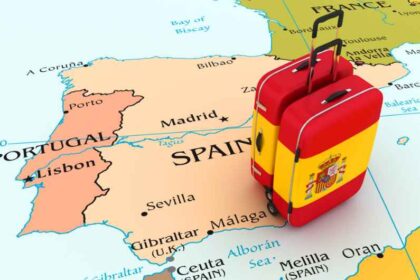



Spain boasts an extensive and highly efficient rail network, which makes travelling across the country really convenient and an ideal way to see the country from a different perspective.
The crown jewel of the Spanish rail network is undoubtedly the AVE (Alta Velocidad Española), Spain's high-speed train service. With over 3,200 kilometres (about 2,000 miles) of high-speed railway lines, Spain has the second-largest high-speed rail network in the world, surpassed only by China.
The AVE trains are operated by Renfe, the primary train operator in Spain.
These trains connect major cities at speeds of up to 310 km/h (193 mph), making long-distance travel quick and comfortable.
The AVE network includes routes from Madrid to Barcelona, Seville, Valencia, Malaga, and beyond, making it possible to cross the country in just a few hours.
For example, the journey from Madrid to Barcelona, a distance of approximately 620 kilometres (385 miles), takes just about 2.5 hours by AVE.
Apart from the AVE, Renfe operates several other train services that cater to different travel needs. Regional trains connect smaller towns and cities, offering slower but still reliable travel.
There is also a fast intercity service called Avant that connects the main areas in Spain that do not currently offer the AVE high-speed service.
The Trenhotel service, a unique overnight train, allows passengers to travel long distances while enjoying the comfort of a sleeper cabin.
Additionally, Renfe’s Cercanias services provide efficient suburban transport in major cities, connecting urban centers with outlying neighbourhoods and towns.

The AVE is not just a means of transportation; it is a testament to Spain's commitment to modern infrastructure. The service is renowned for its punctuality, with trains typically arriving within a few minutes of their scheduled time.
The trains themselves are equipped with modern amenities, including spacious seating, Wi-Fi, and onboard catering, ensuring a comfortable journey for all passengers.
One of the significant advantages of the AVE network is its integration with other European rail networks, particularly in France. This allows travellers to journey seamlessly across borders. For example, the AVE service connects Madrid and Barcelona with major French cities like Paris, Marseille, and Lyon, making it easier than ever to explore multiple countries during a single trip.
Spain's rail network is a crucial part of its tourism and transportation infrastructure, making it possible for millions of people to explore the country's rich cultural and historical heritage.
Whether you're zipping between the bustling cities on an AVE train or taking a leisurely journey through the countryside on a regional service, Spain's rail network offers an exceptional travel experience.
The History Of The Ave High Speed Train

The AVE train service is a cornerstone of Spain's modern transportation infrastructure, renowned for its speed, efficiency, and extensive network.
The history of the AVE began in 1992 when Spain inaugurated its first high-speed rail line connecting Madrid, Seville, and Cordoba.
This milestone marked the beginning of a new era in Spanish rail travel, significantly reducing travel times between these major cities and laying the foundation for what would become one of the most extensive high-speed rail networks in the world.
Following the success of the initial line, the AVE network expanded rapidly. One of the most notable additions was the Madrid-Barcelona line, which became operational in 2008.
This route quickly became the busiest in Spain, catering to both tourists and locals who sought a fast and convenient way to travel between the country's two largest cities.
The AVE's popularity on this route was driven by its ability to cover the distance in just about 2.5 hours, making it a preferred alternative to air travel.
In recent years, the AVE network has continued to grow, with new lines bringing more regions into the high-speed fold.
The completion of the Granada-Antequera line, for instance, opened up the historic city of Granada to high-speed services from Madrid and Barcelona, enhancing accessibility to one of Andalusia's most popular destinations. Additionally, work is ongoing on the Madrid-Galicia high-speed rail line, which will connect Madrid with Galicia via Olmedo, Zamora, and Santiago de Compostela, allowing travel at speeds of up to 350 km/h.
Internationally, the AVE also offers high-speed connections across the French border, with services operated by Renfe-SNCF, a collaboration between Spain's Renfe and France's SNCF.
This partnership has further integrated Spain's rail network with Europe's, providing seamless travel between the two countries.
Renfe – Spain´s National Train Carrier
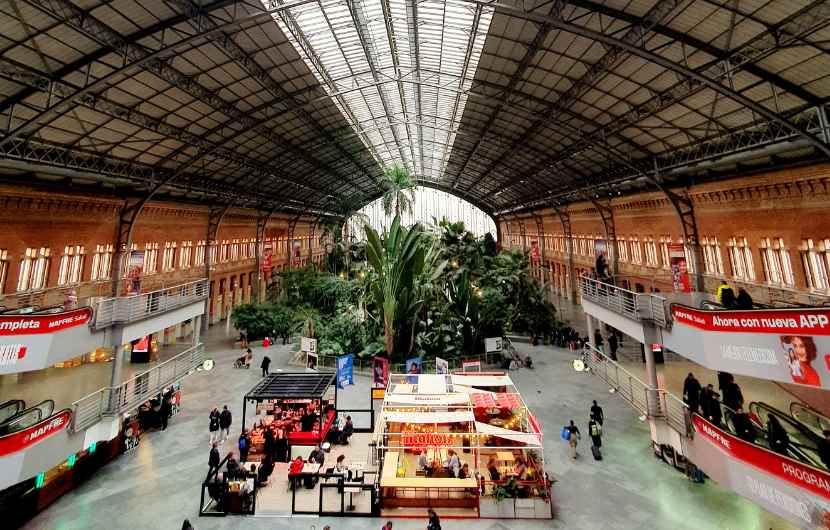
RENFE (Red Nacional de los Ferrocarriles Españoles) is Spain's national railway company, founded in 1941.
It was established by the Spanish government to manage the country's rail transport after the nationalisation of Spain's various private railway companies.
RENFE has played a pivotal role in developing Spain's rail infrastructure, evolving from a basic network of traditional trains to a cutting-edge, high-speed rail system.
Over the decades, RENFE has expanded its services to include regional, suburban, and international routes, but its most significant achievement is the introduction of the AVE (Alta Velocidad Española) high-speed trains in 1992.
The AVE network, known for its speed, efficiency and comfort, has become a symbol of modern transportation in Spain, connecting major cities at speeds of up to 310 km/h. Today, RENFE continues to innovate and expand its services, making it a cornerstone of Spain's transportation infrastructure.
10 Things You Should Know

When using the RENFE high-speed rail service, here are 10 things you should know:
- Advance Booking: It's recommended to book your tickets in advance, especially for popular routes. Booking early often provides better prices and seat selection.
- Flexible Fares: RENFE offers different fare types, including Flexible, Promo, and Promo+. Promo fares are cheaper but come with restrictions on changes and cancellations, while Flexible fares offer more freedom but at a higher price.
- Online Booking: The RENFE website is user-friendly and allows for quick booking. You can select your preferred seat, and often, the earlier you book, the better the deal you’ll find.
- Ticket Types: There are several ticket classes: Turista (Standard), Turista Plus (Standard Plus), and Preferente (First Class). Preferente includes more amenities, such as meals and access to lounges.
- Punctuality: The AVE service is known for its punctuality. If the train is delayed by more than 30 minutes, RENFE offers compensation, which reflects their commitment to on-time performance.
- Onboard Services: Depending on your class, services like free Wi-Fi, dining options, and electrical outlets are available. Preference classes often include meals served at your seat.
- City Center to City Center: High-speed trains typically connect city centres, saving time and money on transfers. This is particularly useful in cities like Madrid and Barcelona.
- Security Checks: Before boarding, a security check is similar to that at airports. It's usually quick, but arriving at the station a bit earlier is wise.
- Travel Insurance: It’s advisable to consider travel insurance, especially if purchasing non-flexible tickets. This can help cover unexpected changes in your travel plans.
Baggage Allowance

RENFE allows generous baggage limits, including three pieces of luggage with a total combined weight of 25 kg. The maximum measurement of the largest suitcase is 85x55x35cm.
Types of Hand Luggage allowed:
- Suitcases, handbags, rucksacks, laptop bags and similar.
- Baby seats and pushchairs should be folded.
- Musical instruments should be carried in their case and not be larger than 30x120x38cm ( Width-Length-Depth)
- Bicycles and non-electric scooters should be folded away and carried in a carrying case or bag. The total W+L+D should not exceed 180cm.
Most Popular High-Speed Train Routes
Spain's high-speed AVE train network is one of the most extensive in the world, connecting key cities across the country with incredible efficiency.

Here’s a breakdown of the current AVE routes, including distances and the fastest travel times:
Barcelona to Madrid:
Covering 306 miles (506 km), this is one of the most popular AVE routes. The journey between Spain’s two largest cities can be completed in 2 hours and 30 minutes.
Madrid to Valencia:
This route, spanning 188 miles (303 km), is one of the quickest, with a travel time of 1 hour and 40 minutes. It's a vital link between the capital and the Mediterranean coast.
Madrid to Seville:
Connecting Madrid with southern Spain, this route covers 242 miles (390 km) and takes 2 hours and 21 minutes. It's a crucial route for those travelling to Andalusia.
Madrid to Toledo:
A short but important route, the 37-mile (59 km) journey is completed in just 32 minutes, making it perfect for day trips.
Malaga to Madrid:
This 258-mile (416 km) route offers a quick connection to the Costa del Sol, with 2 hours and 28 minutes travel time.
Seville to Cordoba:
Covering 74 miles (119 km), this route takes just 41 minutes, facilitating quick travel between two key Andalusian cities.
Barcelona to Valencia:
Stretching 188 miles (303 km), this route takes around 2 hours and 35 minutes to connect two of Spain’s most vibrant cities.
Barcelona to Seville:
This extensive route covers 516 miles (830 km) and takes 5 hours and 24 minutes, linking Catalonia with Andalusia.
Most Scenic High-Speed Train Routes
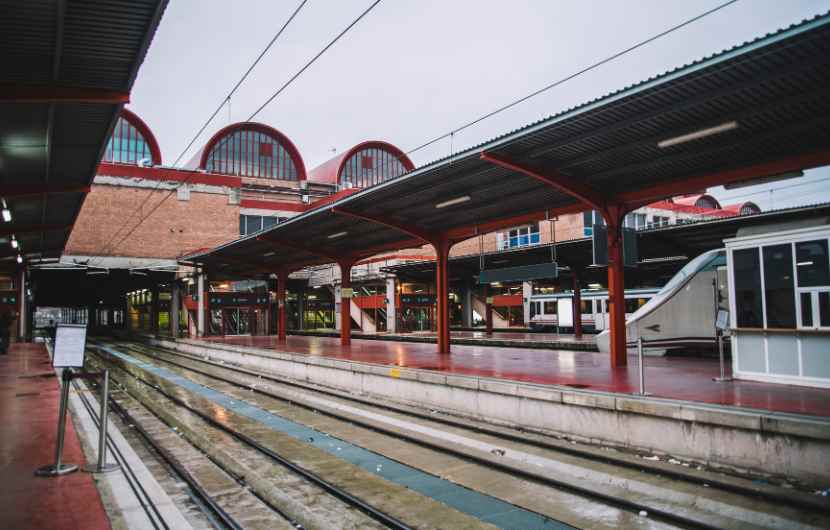
Several AVE high-speed routes in Spain are considered particularly scenic, offering breathtaking views of the country's diverse landscapes.
Here are some of the most scenic AVE routes:
- Madrid to Seville
This route offers a stunning transition from the central plateau of Spain to the rolling hills and plains of Andalusia. Passengers can enjoy views of olive groves, the Guadalquivir River, and the picturesque white-washed towns as they approach Seville, making this route a visual treat.
- Madrid to Valencia
As the train travels southeast, it passes through the vast, open landscapes of La Mancha, known for its windmills and historical significance related to Don Quixote. The journey also provides views of the rugged Sierra de Cuenca mountains before descending toward the Mediterranean coast, offering a mix of highlands and coastal scenery.
- Barcelona to Madrid
This route passes through diverse landscapes, including the green valleys of Catalonia, the Ebro River Valley, and the stark, arid plains of Aragon. The contrast between the lush north and the arid centre of Spain makes this route visually striking.
- Barcelona to Seville
This long journey offers views of various Spanish landscapes, including the coastal areas near Barcelona, the fertile fields of Aragon, and the Andalusian countryside. The transition from the Mediterranean coast to the interior plains and then to the southern region of Andalusia makes this a scenic adventure.
- Madrid to Galicia (Under Construction)
Although still under construction, the route from Madrid to Galicia is expected to be one of the most scenic, passing through northwestern Spain's rugged, mountainous terrain. The line will offer views of the lush, green landscapes that Galicia is known for, with its forests, rivers, and hills.
First Class Services
The AVE high-speed train service in Spain offers a range of services and facilities designed to ensure a comfortable, efficient, and enjoyable travel experience from start to finish.
Here’s an overview of what to expect:
Online Booking and Ticketing
- Booking: AVE tickets can be quickly booked online through the Renfe website or mobile app, where travellers can select their preferred train, class, and seat. Tickets can be purchased in advance, and discounts and promotions are often available.
- Ticket Options: Travelers can choose from different ticket types, including Flexible, Promo, and Promo+ tickets, each offering varying degrees of flexibility and pricing.
Classes and Onboard Comfort
- Classes: AVE trains typically offer three classes:
- Turista (Standard): Comfortable seating with access to power outlets.
- Turista Plus (Premium Economy): Wider seats and extra legroom.
- Preferente (First Class): Includes more spacious seating, complimentary newspapers, and meals.
Onboard Services
- Cafeteria and Dining: AVE trains feature a cafeteria car offering a variety of snacks, meals, and beverages. In the Preferente class, a meal service is included.
- Entertainment: AVE trains provide free onboard Wi-Fi, allowing passengers to stay connected throughout their journey. There is also an entertainment portal with movies, TV shows, music, and more.
- Accessibility: AVE trains are designed with accessibility in mind, featuring spaces for passengers with reduced mobility, accessible toilets, and assistance services.
- Luggage: Passengers can bring up to three pieces of luggage on board, with designated storage areas available for larger items.
Arriving at Your Destination
- Punctuality: AVE trains are known for their punctuality, ensuring travellers arrive on time. In the rare case of significant delays, Renfe offers compensation.
- Connections: Upon arrival, many major stations offer easy connections to local public transportation, taxis, and car rental services, facilitating a smooth transition to your final destination.
Onboard Dining
Onboard buffet dining on the AVE high-speed services offers a variety of food and drink options.
The buffet car, known as the "Cafetería," provides a selection of sandwiches, salads, snacks, and beverages, including soft drinks, coffee, and alcoholic options like wine and beer.
The menu features a good range of food that caters to different tastes, from light bites to more filling meals.
Prices are reasonable considering the convenience, with sandwiches and salads typically ranging between €5-€8 and beverages costing around €1.50-€3. For those looking for something more substantial, there are also hot meals available, often reflecting local Spanish cuisine, though these are usually more expensive, with prices ranging from €10-€15.
The buffet car is a great place to stretch your legs during the journey and enjoy a meal or drink while watching the scenic Spanish landscapes pass by.
You can visit the Renfe website for more detailed information on specific menu items and pricing.
Booking Train Tickets With Renfe

The RENFE Spain website offers an intuitive and user-friendly booking system, making it easy for you to book tickets for the high-speed AVE trains and other rail services across the country.
The platform is designed to guide users smoothly through booking, from selecting routes to finalising payments.
It also provides various options for the journey, including seat selection, travel class, and additional services like luggage assistance.
You will find many great deals if you are flexible with your travel times. RENFE often offers discounted fares for those who can travel during off-peak times or can book in advance.
The website has a “Low Fare Calendar” feature that helps users identify the cheapest days to travel, maximising savings.
Promotional codes and special offers are also frequently available, especially during sales events.
Affordable High-Speed Travel

Here is a general price guide for one-way tickets on some of Spain's most popular high-speed AVE routes.
Prices vary depending on the class (Turista, Turista Plus, or Preferente) and how early the tickets are purchased.
These approximate prices can fluctuate based on availability, demand, and special offers.
Popular AVE Routes and Approximate Prices:
- Barcelona to Madrid
- Turista Class: €50 - €100
- Turista Plus Class: €60 - €120
- Preferente Class: €90 - €150
- Madrid to Seville
- Turista Class: €40 - €85
- Turista Plus Class: €55 - €95
- Preferente Class: €75 - €130
- Madrid to Valencia
- Turista Class: €30 - €70
- Turista Plus Class: €40 - €80
- Preferente Class: €60 - €110
- Malaga to Madrid
- Turista Class: €45 - €90
- Turista Plus Class: €55 - €100
- Preferente Class: €75 - €130
- Barcelona to Valencia
- Turista Class: €20 - €60
- Turista Plus Class: €30 - €70
- Preferente Class: €50 - €90
- Madrid to Toledo
- Turista Class: €10 - €15
- Preferente Class: €20 - €30
- Seville to Cordoba
- Turista Class: €20 - €40
- Preferente Class: €30 - €60
- Barcelona to Seville
- Turista Class: €75 - €150
- Preferente Class: €120 - €200
These prices are based on a range of typical fares and can be lower with discounts or promotional offers.
Booking tickets in advance on the Renfe website is recommended to secure the best rates.