



Travelling is a wonderful experience that enables us to discover new locations, understand other cultures, and create priceless memories.
Travelling can, as we all now know, adversely affects the environment. Tourism can potentially make a sizable environmental impact including carbon emissions and plastic trash.
Here are our top tips on how to travel sustainably and make a difference.
Choose eco-friendly accommodation:

Consider staying at eco-friendly hotels, hostels, or campsites when looking for accommodation. These accommodations are designed to minimize their environmental impact by using renewable energy, reducing waste, and conserving water.
Some of the things to look for include:
- Green certifications: Look for accommodations that have earned LEED (Leadership in Energy and Environmental Design) or Green Globe certifications. These certificates show the establishment has taken measures to lessen its environmental impact.
- Energy-efficient amenities: Seek out places to stay with amenities like solar panels, LED lighting, and low-flow restrooms. These will aid in lowering energy use and greenhouse gas emissions.
- Use of sustainable materials: Seek accommodations that have built an eco-friendly foundation of materials, furniture, and furnishings made of sustainable materials like bamboo or repurposed wood.
- Recycling and waste reduction: Look for hotels that have recycling programs and actively work to reduce waste. Some hotels even compost food waste or have eliminated single-use plastics.
- Local sourcing: Look for local hotels that source their food and other supplies. This supports local businesses and reduces transportation emissions associated with shipping goods from far away.
- Water conservation: Look for hotels that have implemented water conservation measures such as low-flow showerheads and taps and the use of greywater for landscaping.
- Community involvement: Look for places to stay that are involved in local environmental initiatives or support conservation efforts. This shows their true commitment to sustainability and the community.
Choose sustainable transportation:

Pick eco-friendly transportation options like biking, walking, or using the bus or train wherever you can. Choose a fuel-efficient or electric vehicle if you need to rent a car.
The use of sustainable transportation is crucial for eco-friendly travel. Think about how your choice of transportation will affect the environment.
Some of the most environmentally friendly ways of transportation are biking, walking, and using public transportation.
Cycling or walking around a city or town instead of driving without using public transport or a taxi will lessen your carbon footprint.
Many destinations now offer bike-sharing programmes that make renting a bike for a few hours or a whole day simple and economical.
You may lessen the number of cars on the road and your carbon emissions by using the bus or train instead of driving.
Renting an electric or hybrid car, which emits fewer emissions than conventional gas-powered vehicles, is another environmentally responsible mode of transportation.
Because it allows you to share the ride with others and decreases the number of automobiles on the road, carpooling is another excellent strategy to lower your carbon footprint.
It's crucial to research well your transportation alternatives in advance so that you can choose the most environmentally friendly ones. Seek out businesses with eco-friendly policies and a focus on sustainability.
You can also use online resources to organise your trip, such as apps that recommend eco-friendly modes of transportation.
Support local businesses:

A great strategy to boost the local economy and lessen your carbon footprint is to buy local. When dining out, seek out establishments that serve food made with regional ingredients.
In addition to being a perfect way to lessen your environmental impact, supporting local businesses also benefits the community's economy.
Additionally, because they don't need to be transported across great distances, locally sourced goods frequently have a lesser carbon impact.
Think about hiring a local guide or going on a tour to learn more about the area. They can provide you access to insider information and show you places that you might not have discovered on your own.
By purchasing handcrafted trinkets and crafts as holiday souvenirs, you can also support regional craftspeople.
Respect local wildlife and ecosystems:

When visiting natural areas, be sure to respect the local wildlife and ecosystems. Keep wildlife, vegetation, and natural ecosystems undisturbed. Take your rubbish with you and leave the area as you found it.
It is crucial to keep in mind that we must make every effort to have as little of an environmental impact as possible.
Avoiding actions that endanger or disrupt wildlife, such as hunting, fishing, or the capture of animals for entertainment, is one approach to this.
Respecting protected places and adhering to the guidelines established to preserve them is also vital.
Staying on approved routes is crucial when exploring natural areas like parks or woods to protect delicate ecosystems. It's crucial to refrain from littering and from leaving any rubbish behind as it can do so much harm to wildlife and the environment.
Understanding how human activities, such as pollution and climate change, affect the local environment is also crucial.
A great way to contribute to the preservation of nature as we travel is by respecting the local fauna and ecosystems.
Pack light:

The weight of your luggage can have a significant impact on your carbon footprint. The heavier your luggage, the more fuel is needed to transport it. Pack light and only bring what you need to reduce your environmental impact.
Here are some tips on how to pack light:
- Choose multi-purpose clothing: Look for clothes that can be worn in different ways or for different occasions. For example, a lightweight dress can be dressed up or down, and a scarf can be used as a blanket, head wrap, or belt.
- Pack only what you need: Make a list of the essentials and stick to it. Think about what you'll use and wear, and leave the rest home.
- Use travel-sized toiletries: Instead of bringing full-size toiletries, opt for travel-sized ones or reusable containers that you can fill with your favourite products.
- Consider laundry options: If you're going on a more extended trip, do laundry instead of packing more clothes. Look for eco-friendly laundry options, such as hand-washing in your hotel sink or finding a laundromat that uses energy-efficient machines.
Packing light reduces your environmental impact by reducing excess baggage and making travel more convenient and enjoyable.
Use reusable bags and water bottles:
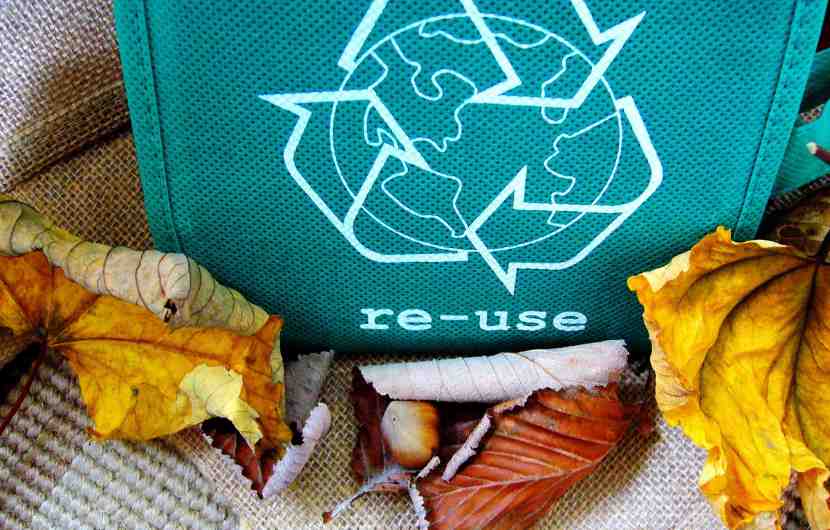
Bring reusable bags and water bottles with you on your travels. This will help you reduce your use of plastic and minimize waste.
Instead of using single-use plastic bags for souvenirs or groceries, pack a reusable bag that can be folded and taken wherever you go.
Many destinations also have markets or shops where you can refill your reusable water bottle instead of buying new plastic bottles daily.
Reusable bags and water bottles come in various sizes and materials, so finding ones that fit your travel needs is easy. For example, a small foldable tote bag can fit in your purse or daypack, while a larger canvas bag can hold all your beach gear. Similarly, a collapsible water bottle takes up minimal space in your luggage but can be refilled multiple times daily.
Not only do reusable bags and water bottles reduce waste, but they can also save you money. Many destinations charge for plastic bags or have limited access to drinking water, which can add up throughout your trip.
By bringing your reusable items, you can avoid these fees and contribute to a more sustainable travel experience.
Reduce energy consumption:

Turn off lights and electronics when you're not using them. Unplug chargers and other electronics to reduce energy consumption when not using them.
Here are some tips on how to reduce energy consumption during your travels:
- Turn off lights and electronics when not in use: Make it a habit to turn off lights, TV, and other electronics when you leave the room. This not only saves energy but also reduces the risk of fire hazards.
- Use energy-efficient appliances: If you can choose accommodations with energy-efficient appliances, it's worth considering. These appliances use less energy and can help reduce your overall carbon footprint.
- Unplug chargers when not in use: Even when your device is not charging, leaving your charger plugged in still consumes energy. Make sure to unplug chargers when not in use.
- Use natural lighting: Instead of artificial lighting, use natural lighting during the day. Open the curtains and blinds to let the sunlight in.
- Choose eco-friendly accommodations: Look for accommodations that use renewable energy sources, such as solar or wind power. These accommodations often have energy-efficient appliances and lighting as well.
Reducing energy consumption during your travels can help contribute to a more sustainable environment and reduce your carbon footprint.
Avoid single-use plastics:

Avoid single-use plastics such as straws, utensils, and cups. Instead, bring your reusable items or ask for eco-friendly alternatives.
Avoiding these items can help reduce plastic waste and protect the environment.
One easy way to avoid single-use plastics is to bring your reusable water bottle. Many options are available, from stainless steel to collapsible silicone, that can be refilled at water fountains or cafes. Bringing your reusable bags is also essential, as it reduces the need for plastic bags at shops and markets.
Another way to avoid single-use plastics is to say no to straws and bring your reusable straw instead. Bamboo, stainless steel, and silicone straws are all great options that can be used repeatedly.
Consider avoiding plastic packaging or single-use items when shopping for souvenirs or gifts. Look for sustainable options like handmade crafts or locally sourced products that don't generate unnecessary waste.
Overall, reducing single-use plastics is a simple yet effective way to make a difference when travelling. By being mindful of the items we use and purchase, we can help protect the environment and preserve the beauty of our planet for generations to come.
Choose environmentally friendly activities:

Consider eco-friendly options when planning your holiday activities, such as hiking, biking, cycling, and bird watching, which are all popular options. Try to avoid doing things that threaten ecosystems or wildlife.
There is also a range of planet-friendly water sports activities, such as surfing, kayaking or stand-up paddleboarding.
Experience Spain´s natural beauty without causing noise pollution or displacing wildlife instead of joining a motorised boat trip.
Spain boasts many amazing national parks and nature reserves, including many environmentally responsible pursuits like bird watching and wildlife observation.
In general, picking eco-friendly activities can be a terrific way to travel responsibly and positively influence the environment and local people.
Offset your carbon footprint:

Consider offsetting your carbon footprint by supporting projects that reduce greenhouse gas emissions.
Even with all your efforts to reduce your environmental impact, travelling inevitably produces carbon emissions, whether from the transportation you use, the accommodation you stay in, or the activities you participate in.
Carbon offsetting allows you to take responsibility for these emissions by investing in projects that help reduce carbon in the atmosphere.
Several organisations offer carbon offsetting programs, including non-profits and private companies.
When selecting an offset program, it's essential to research the organisation's credibility and the type of projects it supports. Search for programs prioritising renewable energy, reforestation, or other sustainable initiatives.
To offset your carbon footprint, you can calculate your emissions using a carbon footprint calculator, which considers factors such as transportation, accommodation, and activities.
There are several offset programs, including CarbonFund, Native Energy and MyClimate.
Offsetting your carbon emissions lessens your impact on the environment and helps fund initiatives for sustainable development like reforestation and renewable energy.
Use public transportation or walk:

You may dramatically lessen your carbon footprint by bus or using public transportation rather than renting a car.
Take advantage of public transportation, which emits far fewer carbon emissions per passenger than private vehicles.
The public transportation systems in Spain are efficient and can easily transport you to all the major tourist attractions. If you plan to make many trips, think about using the high-speed AVE trains; they are fast and affordable and a great way to explore Spain.
Consider walking or cycling as alternatives to renting a car if you can. It's not only a more environmentally friendly option, but it will also give you a better understanding of Spain and guide you to some of the best-hidden gems you might otherwise miss. In addition, many Spanish cities now have rental programmes for electric bikes that make it simple to rent a bike for a day or longer.
If you need to rent a car, consider using an electric or hybrid model to reduce your carbon footprint.
Conclusion:
By following these eco-friendly travel tips, you can make a difference and reduce your environmental impact while still enjoying all Spain offers.
Remember, small changes can make a big difference. Let's do our part to travel green and protect the planet for future generations.
What is Eco-Tourism

Eco-tourism is a form of tourism that aims to conserve the natural environment and support local communities. It is based on the principles of minimizing negative impacts, raising awareness and respect for nature and culture, and providing benefits for both hosts and visitors.
Eco-tourism has many advantages for both the environment and society, including:
Economic benefits are: creating jobs and income for local people, supporting conservation projects and initiatives, and reducing dependency on mass tourism and foreign investment.
Environmental benefits are: preserving biodiversity and ecosystems, reducing greenhouse gas emissions and waste, and promoting sustainable use of natural resources.
Social benefits are: enhancing cultural exchange and understanding, empowering local communities and indigenous groups, and fostering ethical and responsible behaviour among tourists.
Eco-tourism is a way of travelling that respects the planet and its people.
It is not only a trend but a necessity in the face of global challenges such as climate change, biodiversity loss and social inequality.
By choosing eco-tourism, we can enjoy the beauty of nature while contributing to its protection and enhancement.